Vegetarian Bánh Bao Calories and a Wholemeal Bun Recipe
Compare steamed and fried vegetarian bánh bao, learn practical portion tips, and make wholemeal buns with a mushroom, vegetable and tofu filling.

Vegetarian bánh bao are popular across Asian cuisines, including those of China and Vietnam. These soft buns contain no meat filling and may be filled with vegetables, mushrooms or tofu, or served plain.
The dough usually contains wheat flour, yeast, a little sugar and water. The finished bun is mildly sweet, soft and airy, while the filling adds its own flavour and nutrients.
1. How many calories are in vegetarian bánh bao?
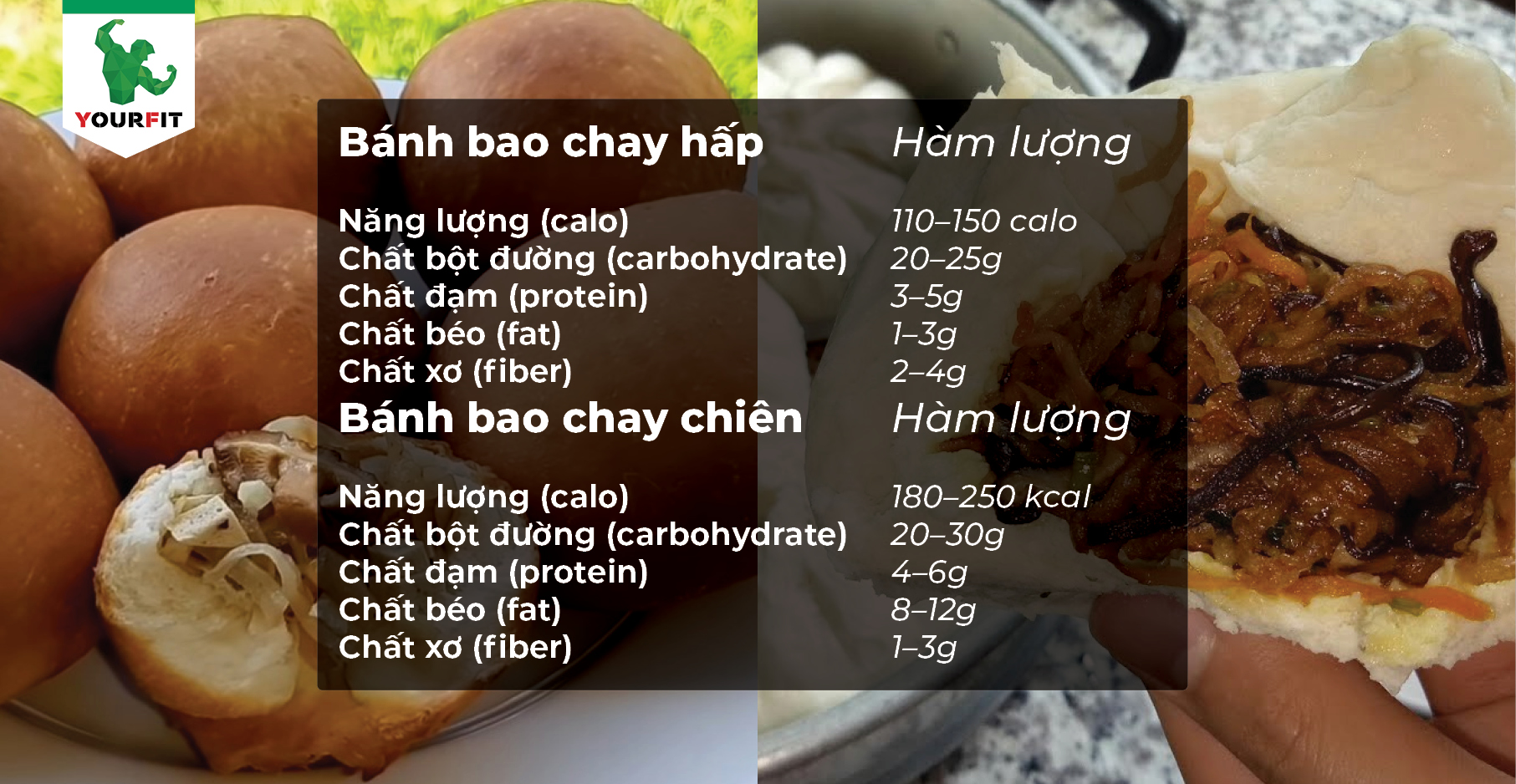
Size, dough-to-filling ratio and preparation make a substantial difference. The following are illustrative estimates for a bun weighing roughly 100–120 g; actual products may fall outside these ranges.
| Nutrient | Steamed vegetarian bun | Fried vegetarian bun |
|---|---|---|
| Energy | 110–150 kcal | 180–250 kcal |
| Carbohydrate | 20–25 g | 20–30 g |
| Protein | 3–5 g | 4–6 g |
| Fat | 1–3 g | 8–12 g |
| Fibre | 2–4 g | 1–3 g |
Vegetable-filled buns may also provide B vitamins, vitamin A, potassium and magnesium. A plain bun may have much less fibre and fewer micronutrients than one generously filled with vegetables. Use the label or recipe for a more accurate calculation.
2. Nutritional benefits
2.1. A convenient energy source
The flour-based wrapper provides carbohydrate, making a bun a convenient breakfast component or daytime snack.
2.2. Fibre from the filling
Carrot, cabbage, mushrooms and other vegetables contribute fibre, which supports normal digestion. The amount depends on how much filling the bun contains.
2.3. A potentially lighter preparation
A steamed, plant-based bun can contain less fat than a fried bun or a rich meat-filled version. Check the ingredients: some vegetarian recipes still contain milk, eggs or substantial oil.
2.4. Vitamins and minerals
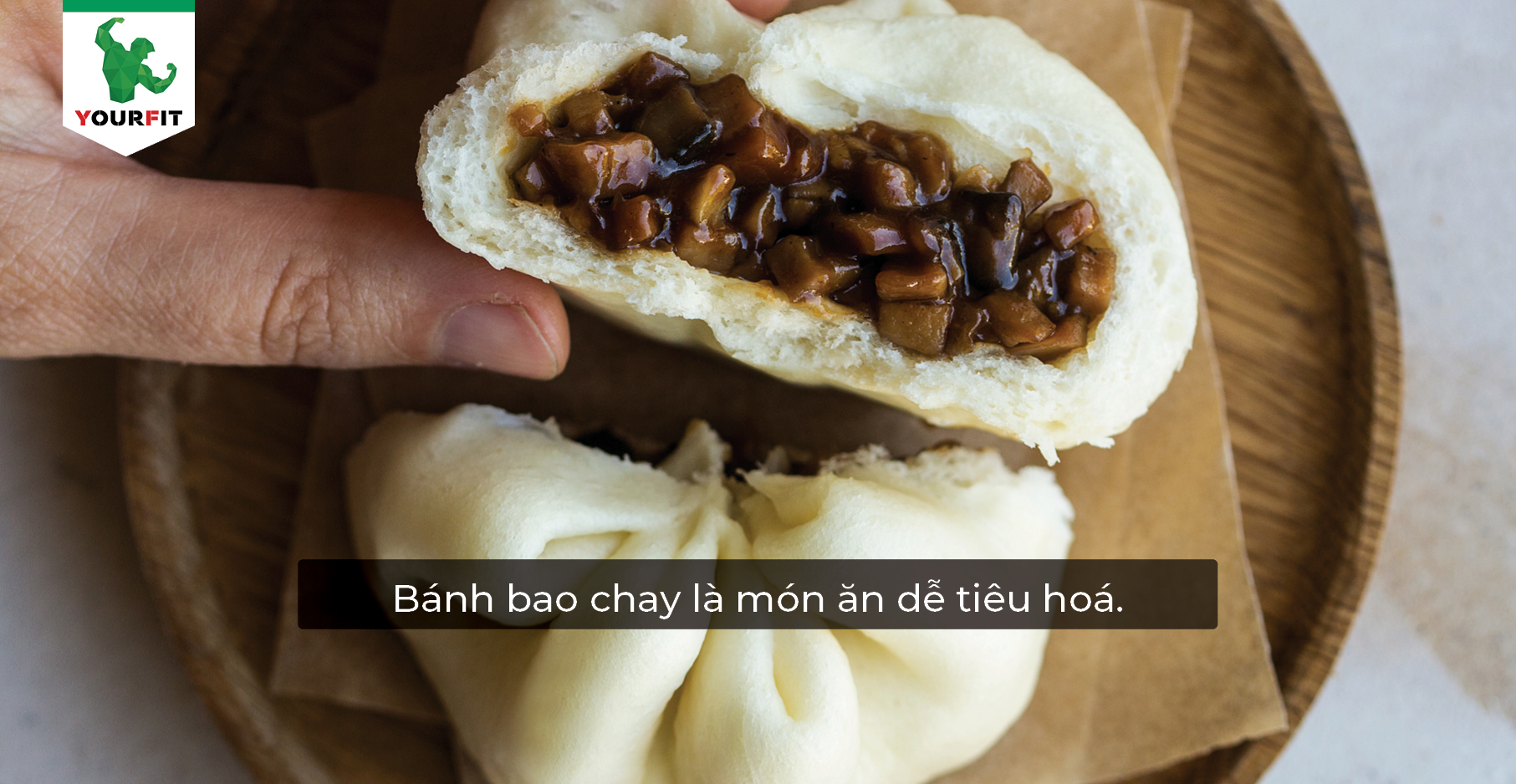
Vegetables can contribute vitamins A and C, flour contributes B vitamins, and mushrooms or other fillings add varying amounts of minerals such as iron and magnesium. These foods support a varied diet; one bun is not a complete source of every nutrient.
2.5. A place in weight management
A modest steamed bun can fit a weight-management plan. A fibre-rich filling may make it more satisfying, but vegetarian food is not automatically low-calorie.
2.6. Flexible ingredients
Add tofu for more protein or increase the vegetables for more variety and fibre. The filling can be adapted to your preferences and needs.
3. What to consider when choosing vegetarian buns
3.1. Prefer steaming for an everyday option
Steaming keeps the dough soft without the oil absorbed during frying. Enjoy fried versions occasionally and balance the meal with other foods.
3.2. Pay attention to size
One or two small buns may suit a meal or snack, depending on your needs and what else you eat. Several large buns can provide substantial energy even without meat.
3.3. Check the filling and seasoning
Choose clearly labelled products or a reliable food provider. Look for vegetables, mushrooms and tofu, and compare sodium where information is available. A very salty filling can add more sodium than expected.
3.4. Try wholemeal flour and varied fillings
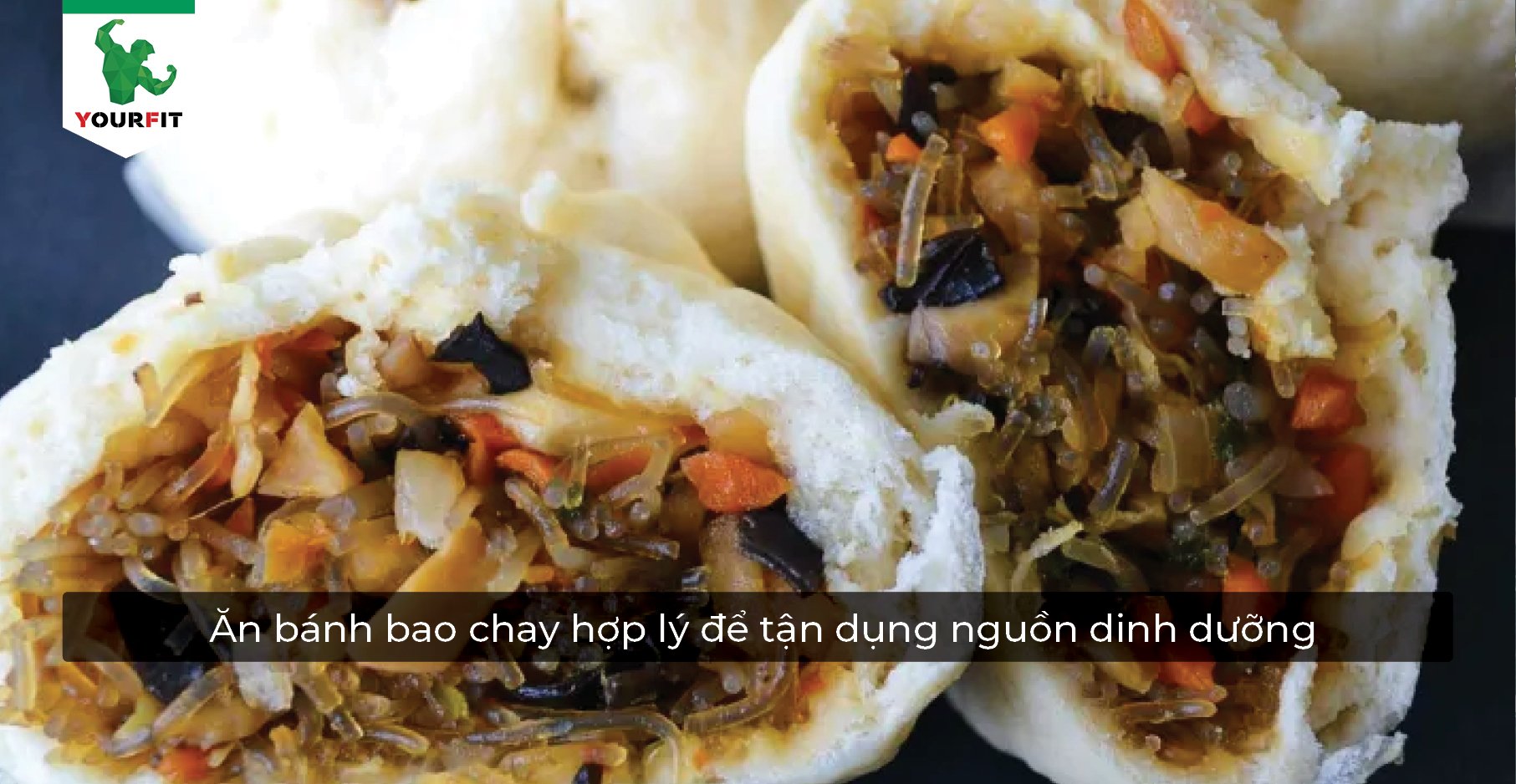
Wholemeal flour and additional beans or vegetables can increase fibre and improve the variety of nutrients in a homemade bun.
3.5. Keep the overall meal balanced
A plain or lightly filled bun may contain little protein. Add tofu, other beans, nuts or another suitable protein food and vegetables rather than relying on buns alone. See our guide to vegetarian eating and strength training.
4. Homemade wholemeal vegetarian bánh bao
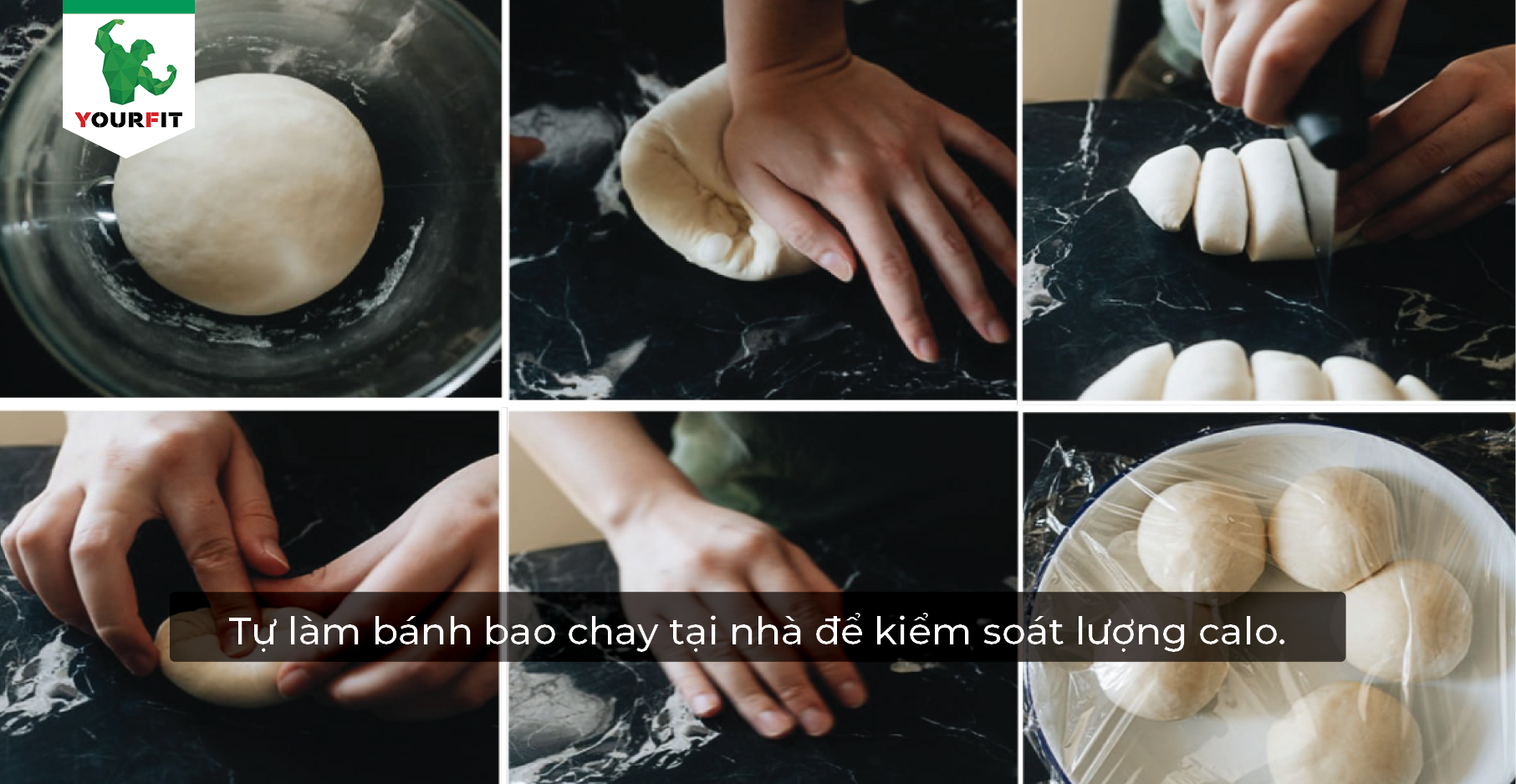
Ingredients for 8–10 buns
Dough
- 300 g wholemeal wheat flour.
- ½ teaspoon salt.
- 5 g dried yeast.
- 20 g palm sugar, or honey if suitable for your diet.
- 150 ml warm water, approximately 35–40°C, with a little more if the flour needs it.
- 1 teaspoon olive oil or coconut oil.
Filling
- 100 g mushrooms, such as shiitake, finely chopped.
- 50 g carrot, shredded.
- 50 g cabbage, finely chopped.
- 50 g tofu, mashed.
- 1 teaspoon soy sauce.
- 1 teaspoon sesame oil.
- Black pepper, spring onion and other seasonings to taste.
Method
- Activate the yeast: Stir the yeast and sugar into the warm water. Leave for 5–10 minutes until foamy, following the yeast packet's instructions.
- Make the dough: Mix the flour and salt. Gradually add the yeast mixture and oil, then knead for approximately 8–10 minutes until smooth and manageable.
- Let it rise: Place the dough in a bowl, cover with a damp cloth and leave for approximately 1–1½ hours, or until doubled in size.
- Prepare the filling: Warm the sesame oil and briefly stir-fry the mushrooms, carrot and cabbage. Add soy sauce, pepper and spring onion, then gently fold in the tofu. Let the filling cool.
- Shape the buns: Divide the risen dough into 8–10 equal portions. Flatten each piece, place filling in the centre and pinch the edges together to seal.
- Steam: Place each bun on a small piece of baking paper in a steamer, leaving space between them. Steam over medium heat for approximately 15–20 minutes, until the dough and filling are cooked through.
The finished buns have a soft texture and a savoury mushroom and sesame aroma. Enjoy them as part of breakfast or a snack, with other foods as needed.
5. A versatile choice
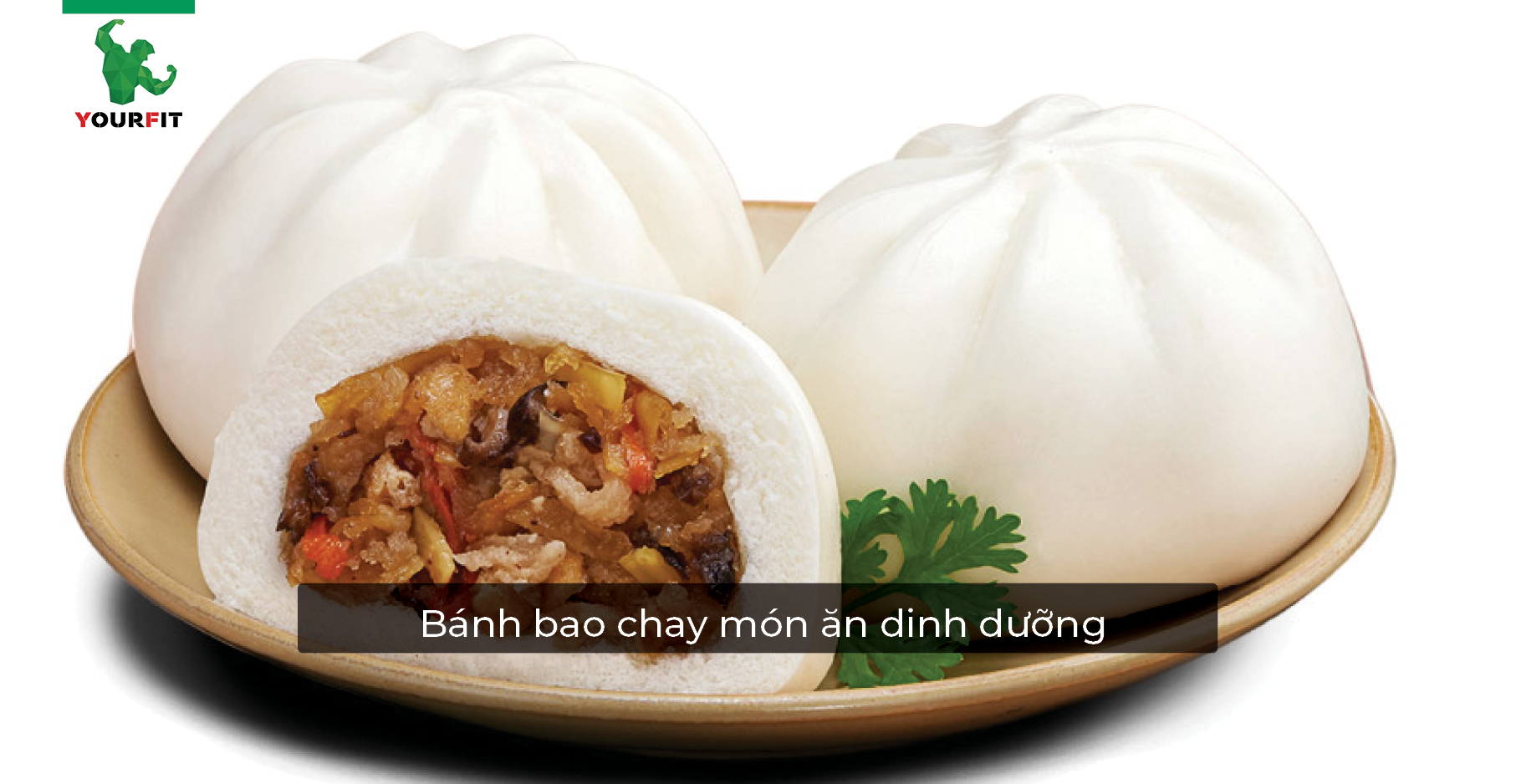
Look at the portion, preparation and filling together. For a broader comparison, read our guide to calories in different bánh bao fillings.