Sponge Cake Calories: Popular Types and Portion Tips
Compare calories in plain, salted-egg, raisin, chocolate and cheese sponge cakes, with practical tips for balanced portions and homemade recipes.
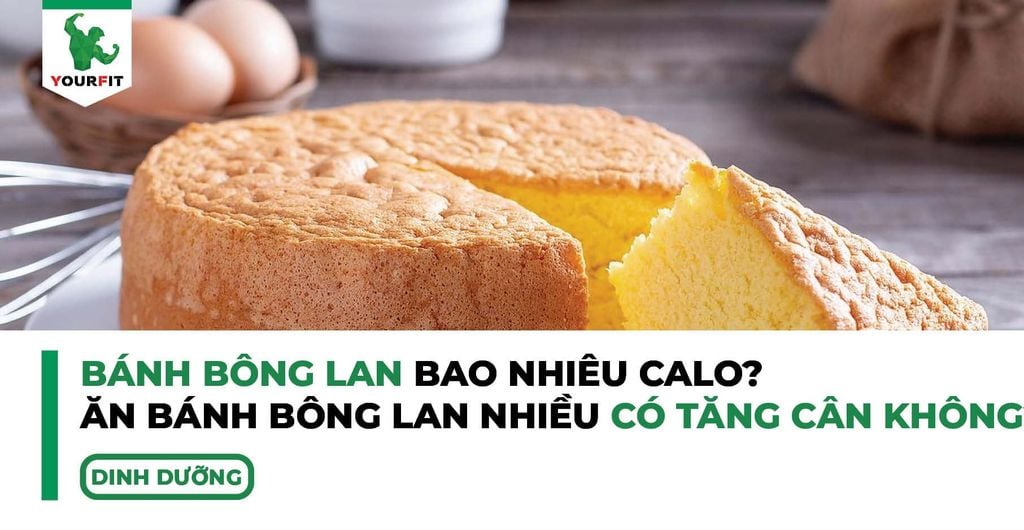
Sponge cake, or bánh bông lan, is loved for its soft, airy texture and sweet flavour. It appears as an everyday snack and at birthdays, weddings and other celebrations.
Flour, eggs, sugar and raising ingredients form the base, while butter, oil, milk, fillings and toppings create many variations. These additions also change the calorie content.
1. How many calories are in sponge cake?

Many varieties provide approximately 280–420 kcal per 100 g. A slice may weigh much less or more than 100 g, so weigh the serving or use the package information if you need a closer estimate.
| Variety | Approximate energy per 100 g | Typical features |
|---|---|---|
| Plain sponge | 280–320 kcal | Flour, eggs, sugar and varying added fat |
| Salted-egg sponge | 350–400 kcal | Richer toppings and more sodium |
| Raisin sponge | 300–350 kcal | Added dried fruit and some extra fibre |
| Chocolate sponge | 340–400 kcal | Cocoa or chocolate, with recipe-dependent fat |
| Cheese sponge | 350–420 kcal | Cheese adds fat, protein and calcium |
1.1. Plain sponge cake
Illustrative amounts per 100 g include 40–45 g carbohydrate, 10–15 g fat, 5–7 g protein and 0.5–1 g fibre. It may contain around 150–200 mg sodium, 10–15 mg calcium and 0.5–1 mg iron.
1.2. Salted-egg sponge cake
Depending on the toppings, examples may contain 35–40 g carbohydrate, 18–25 g fat, 8–10 g protein and 0.5–1 g fibre per 100 g. Sodium may be around 400–600 mg, with calcium around 20–30 mg and iron around 1–2 mg.
1.3. Raisin sponge cake
Examples may provide 45–50 g carbohydrate, 10–15 g fat, 5–7 g protein and 1–2 g fibre per 100 g. Approximate mineral amounts include sodium 150–200 mg, calcium 15–20 mg, iron 1–1.5 mg and potassium 120–150 mg.
1.4. Chocolate sponge cake
Chocolate or cocoa changes the flavour and may add some fibre and minerals. Examples can contain around 45–50 g carbohydrate, 6–8 g protein and 1.5–3 g fibre per 100 g, while fat varies substantially with the recipe. Sodium may be around 150–250 mg, calcium 20–25 mg, iron 1.5–2.5 mg and potassium 150–200 mg.
1.5. Cheese sponge cake
Illustrative amounts include 35–40 g carbohydrate, 20–25 g fat, 6–8 g protein and 0.5–1 g fibre per 100 g. Calcium may be around 80–120 mg, sodium 250–350 mg, iron 1–1.5 mg and potassium 100–150 mg.
These are broad recipe examples, not fixed values. For accurate tracking, calculate the ingredients and final serving weight or use the product label. The ranges should not be combined as though they describe one exact recipe.
2. Nutritional contributions and enjoyment
2.1. Energy
Flour and sugar supply carbohydrate, while added fats contribute energy. A small slice can fit a snack, including around an active day, but cake is not a complete training meal.
2.2. Some protein
Eggs and dairy ingredients contribute protein. The quantity is usually modest compared with dedicated protein foods, so cake should not be your main recovery food.
2.3. Fibre in selected recipes
Raisins, wholemeal flour or oats can increase fibre. Plain refined-flour sponge usually contains relatively little.

2.4. Pleasure and celebration
A favourite cake can be an enjoyable part of a break or a shared occasion. Its value as a treat does not depend on a claim that sugar or chocolate improves mood through a guaranteed hormonal effect.
2.5. Vitamins and minerals
Eggs and milk provide some B vitamins and minerals, while fruit additions bring their own nutrients. The amounts depend on the recipe and do not replace the benefits of eating a variety of whole foods.
2.6. A convenient soft texture
Sponge cake is easy to portion and has a soft texture. Choose a suitable serving and account for individual dietary, allergy and texture needs.
3. Can eating a lot of sponge cake lead to weight gain?
Flour, sugar, butter, cream and cheese can make cake energy-dense. Repeatedly eating more energy than you use can lead to weight gain, whether those calories come from cake or other foods.

Many cakes contain relatively little fibre and protein for their calorie content, so a large portion may not be as satisfying as a balanced meal. Enjoyment, serving size and the foods eaten alongside it all influence how much you eat.
4. How to enjoy sponge cake thoughtfully

4.1. Start with a moderate portion
A 50–100 g serving, often one or two small pieces, is a useful example rather than a universal recommendation. Choose the amount that fits your appetite and the rest of your day.
4.2. Compare recipes
Less sugar or butter can reduce energy when the total amount is actually reduced. Wholemeal flour or oats can add fibre. Replacing butter with oil or white sugar with honey does not automatically lower calories, and coconut oil still contains substantial saturated fat.
4.3. Add variety
Serve a small slice with fresh apple, strawberries or kiwi if you enjoy the combination. Water, unsweetened tea or herbal tea avoids adding the sugar found in sweetened drinks or condensed milk.
4.4. Look at the whole routine
Keep meals varied and avoid allowing several rich snacks to crowd out nutritious foods. Regular walking, running, yoga or gym training can support an active lifestyle; there is no need to punish yourself with exercise for eating cake.
4.5. Bake at home
Homemade cake lets you control the recipe and slice size. Options to try include banana-and-oat sponge, a less-sweet cocoa sponge or steamed sponge made with unsweetened milk.
5. A treat that can fit

Pay attention to the recipe and serving rather than assuming all sponge cakes are the same. For other snack comparisons, explore Choco Pie nutrition and bánh bò calories.