Bánh Bao Calories: Fillings, Portions and Weight Management
Compare calories in popular bánh bao fillings and learn how to enjoy steamed buns as part of balanced meals without relying on rigid food rules.
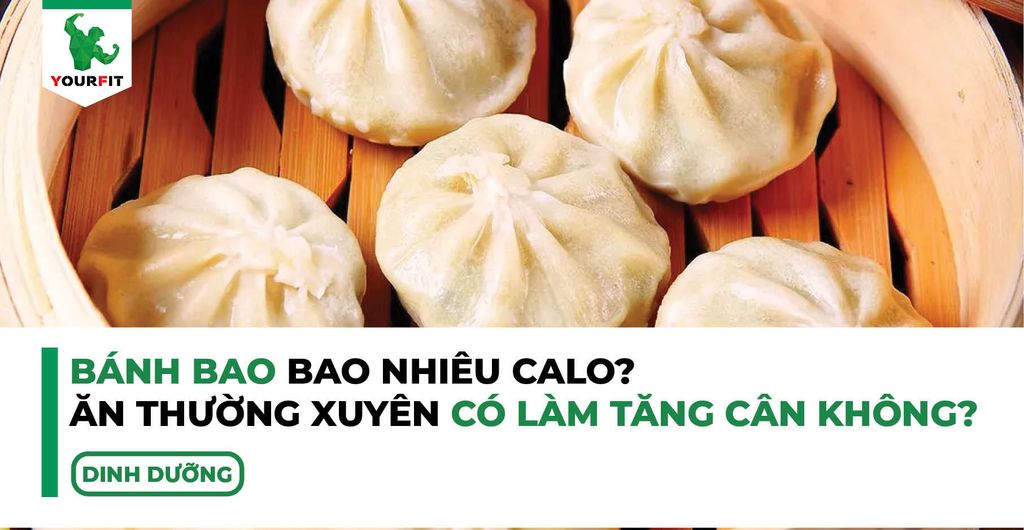
Bánh bao are familiar across Asian cuisines, especially in China and Vietnam. They can be a breakfast, snack or part of a main meal, with sizes ranging from small bites to substantial filled buns.
Steamed versions are most familiar, but fried and baked buns offer different textures. The filling and preparation determine much of their nutritional value.
1. How many calories are in bánh bao?

These broad estimates are for approximately 100 g of the finished bun. A larger bun may provide considerably more, and recipes vary between shops.
| Filling or preparation | Approximate energy per 100 g |
|---|---|
| Pork | 200–250 kcal |
| Pork and quail egg | 250–300 kcal |
| Pork and salted egg | 250–300 kcal |
| Char siu pork | 300–350 kcal |
| Mung bean | 150–200 kcal |
| Cadé custard | 150–200 kcal |
| Salted-egg lava custard, or kim sa | 200–250 kcal |
| Fried or rich baked versions | Often around 250–350 kcal or more |
Frying adds oil; baking does not automatically increase calories unless the recipe adds fat, sugar or other energy-rich ingredients. Check the product label or recipe when you need a more accurate estimate.
2. Nutritional contributions
2.1. Convenient carbohydrate
The flour-based wrapper provides energy. A bun can be useful when you need a portable meal component during a busy day.
2.2. Protein from the filling
Pork, chicken, beef, eggs or tofu contribute protein, which supports muscle maintenance and tissue repair. A lightly filled bun provides less than one with a generous protein-rich filling.
2.3. A soft steamed option
Steamed buns avoid the oil absorbed during frying and have a soft texture. Digestive comfort varies between people; a bun is not a treatment for a sensitive stomach.
2.4. Ingredients that support balance
Lean fillings and wholegrain flour can help moderate saturated fat and add fibre. These choices fit a heart-conscious eating pattern, but a bun alone cannot stabilise cholesterol or prevent disease.
3. Does eating bánh bao regularly cause weight gain?
Regularly eating bánh bao does not automatically cause weight gain. What matters is whether your overall energy intake repeatedly exceeds what you use. Daily requirements vary, so a fixed calorie target or a rule that everyone can eat two buns per meal is not useful.

Rich meat, salted-egg and sweet fillings can make a bun more energy-dense. Enjoy them in portions that leave room for vegetables and a variety of other foods.
4. Why large or frequent portions can add up
4.1. Energy-dense fillings
Fatty meat, char siu, salted egg and sweet custard can raise the calorie content. Multiple large buns may provide more energy than expected.
4.2. Carbohydrate and fat together
The dough supplies carbohydrate, while meat fat, egg yolks, oil and other fillings add fat. Both contribute to the total energy of the meal.
4.3. Limited fibre in some versions
Refined-flour buns with little vegetable filling may contain relatively little fibre. Adding vegetables or fruit can make the meal more varied and satisfying.
4.4. Added sugar
Sweet fillings such as custard or kim sa may contain substantial sugar and fat. A sweet flavour does not make them unsuitable, but portion size still matters.
4.5. An inactive routine
Energy needs are influenced by daily movement. When food intake remains high while activity is low, an energy surplus can develop over time.
5. Practical ways to enjoy bánh bao
5.1. Choose a portion deliberately
One or two small buns may be a reasonable starting point, depending on their size and your needs. Avoid assuming that several large buns are equivalent to a light snack.
5.2. Compare fillings
Vegetables, tofu and lean meat can be useful everyday choices. Sweet custard and salted-egg buns are not necessarily low-calorie, so compare recipes or labels rather than relying on the name. See our vegetarian bánh bao guide for another option.
5.3. Fit the meal to your routine
Bánh bao can fit breakfast, lunch or dinner. Evening carbohydrates do not automatically become body fat; overall intake matters more. Avoid a large meal close to bedtime if it affects your comfort or sleep.
5.4. Stay active
Walking, running and suitable strength training support fitness and long-term weight management. Maintain a consistent routine rather than trying to compensate for a particular bun.
5.5. Make a balanced meal
Include vegetables and enough protein for your needs. Depending on the filling, you may want to add tofu, an egg or another protein source rather than making several plain buns the entire meal.
5.6. Choose ingredients thoughtfully

Look for recipes with moderate added sugar and saturated fat. Wholegrain flour can add fibre, while trimmed lean meat or plant proteins provide alternatives to fatty fillings. Learn more about choosing pork cuts and preparation methods.
6. Enjoying a familiar favourite
Understanding the filling, preparation and serving size makes it easier to enjoy bánh bao within a varied diet. Choose portions that suit you and build meals around balance rather than rigid rules about one food.