Choco Pie Calories: Nutrition and Portion Tips
Explore Choco Pie calorie estimates, how flavours and serving sizes differ, and practical ways to enjoy chocolate-coated cakes in a balanced diet.
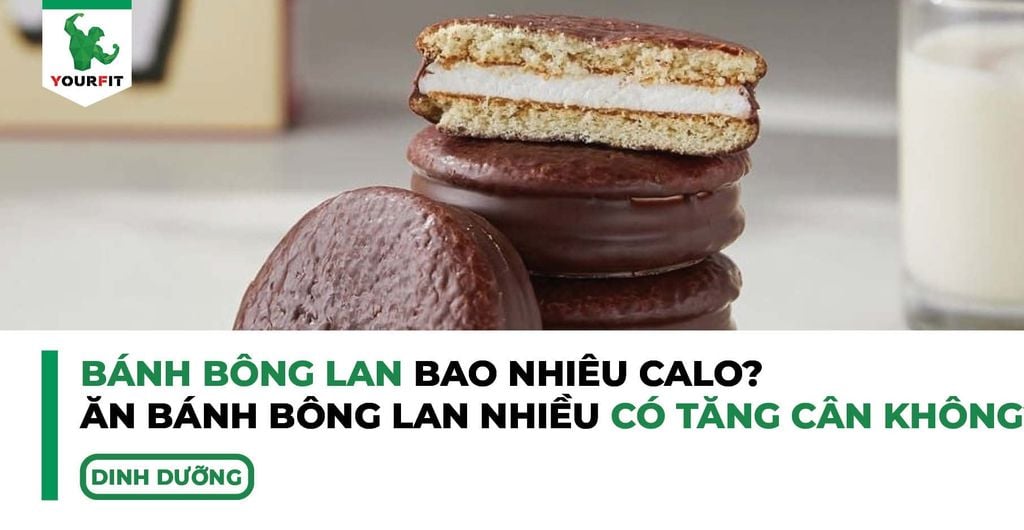
Choco Pie-style cakes combine soft sponge, a marshmallow or cream filling and a chocolate coating. Their mix of soft, chewy and chocolate textures makes them a convenient, familiar sweet snack.
How much energy does one provide? Check the size and flavour first, then look at how it fits the rest of your day.
1. How many calories are in a Choco Pie?

A classic cake weighing around 35 g may provide approximately 150–180 kcal. Recipes, brands and package sizes differ, so the label on your product is the best guide.
The table below gives broad illustrative ranges for approximately 35 g. The figures are not a specification for every product sold under these flavour names.
| Flavour | Energy | Fat | Saturated fat | Carbohydrate | Sugars |
|---|---|---|---|---|---|
| Classic | 150–180 kcal | 6–8 g | 3–4 g | 23–25 g | Check label |
| Green tea | 170–200 kcal | 7–9 g | 4–5 g | 22–25 g | 12–16 g |
| Chocolate | 170–200 kcal | 7–9 g | 4–5 g | 22–25 g | 12–16 g |
| Mango | 160–190 kcal | 7–9 g | 3.5–5 g | 22–25 g | 12–15 g |
| Tiramisu | 170–200 kcal | 7–9 g | 3.5–5 g | 22–25 g | 12–16 g |
These examples generally provide around 1–2 g protein, 0.5–1 g fibre and 30–50 mg sodium per cake. Small mineral contributions may include calcium around 10–20 mg, iron around 0.5–1 mg and potassium around 50–70 mg; some green-tea examples may contain around 15–25 mg calcium. Amounts vary and are not a reason to choose the cake as a nutrient source.
How the flavours differ
Classic versions emphasise the sponge, marshmallow and chocolate coating. Green tea, additional chocolate, mango and tiramisu versions change the flavour of the filling or coating. A fruit or tea flavour does not automatically mean less sugar or fewer calories.
2. What does it contribute?
2.1. Convenient energy
Carbohydrate and sugar provide readily available energy, while fat adds to the calorie content. A small packaged cake can be convenient during a busy day, but it does not provide the balance of a full meal.
2.2. Small amounts of minerals
Ingredients such as flour and cocoa may contribute a little calcium or iron. Use a variety of other foods to meet your micronutrient needs rather than relying on a sweet snack.

2.3. Enjoyment and satisfaction
A familiar chocolate flavour can make a break more enjoyable. Treat the cake as something you like, rather than a way to treat stress or change mood through a guaranteed hormonal effect.
2.4. An easy sweet option
The individual portion and ready-to-eat format can help you plan a small treat without preparing a dessert.
3. Can eating many Choco Pies cause weight gain?
Several cakes can add substantial energy, particularly when eaten in addition to usual meals and sweetened drinks. If total energy intake regularly exceeds energy use, weight can increase over time.

These cakes usually contain relatively little protein and fibre compared with their energy content, so they may not keep you satisfied for as long as a more balanced snack. Added sugar and saturated fat also need to fit within your overall eating pattern.
4. Practical portion tips

4.1. Decide on the portion
Choose one small cake or share a larger portion instead of eating repeatedly from the packet. How often it fits depends on the rest of your diet and your goals.
4.2. Keep meals balanced
Enjoy the cake as an occasional snack rather than a meal replacement. Continue to include vegetables, fruit, protein foods and wholegrains across the day.
4.3. Maintain regular activity
Exercise and everyday movement support fitness and energy balance. You do not need to calculate a workout to “undo” an individual snack.
4.4. Choose a comfortable time
Have the snack when it suits your appetite and routine. Eating it near bedtime does not automatically cause fat gain, although late snacks may affect comfort or sleep for some people.
4.5. Compare labels
If you want a smaller serving of energy or sugar, compare the nutrition per cake as well as per 100 g. A smaller size may make more difference than a different flavour.
5. Enjoy it in context

Use the packet's information, choose a satisfying portion and focus on your overall routine. You can also compare our guides to sponge cake and bánh bò.