Bánh Bò Calories: Can Vietnamese Rice Cake Fit Your Diet?
Explore bánh bò calories by variety, its ingredients and practical portion tips for enjoying this Vietnamese cake within a balanced diet.
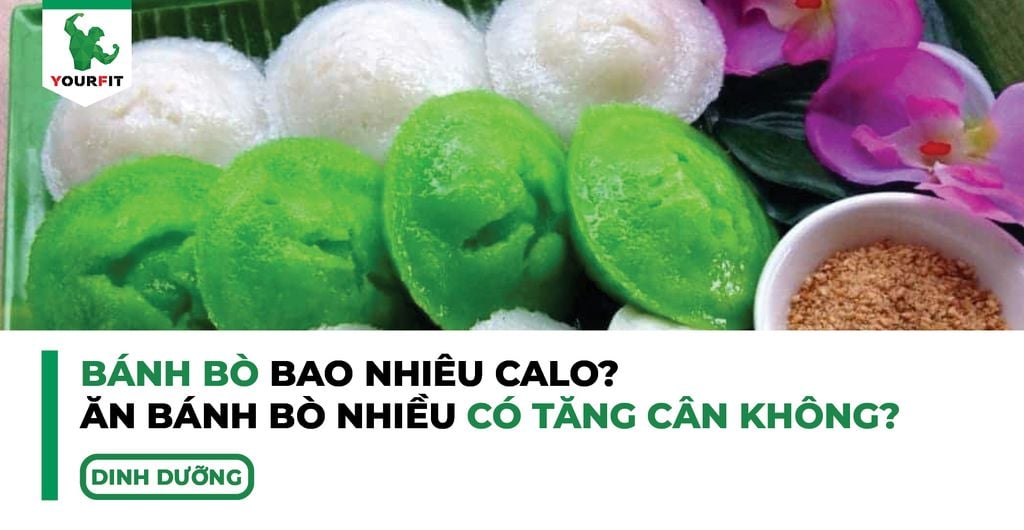
Bánh bò is a traditional Vietnamese cake especially associated with southern Vietnam. Made with rice flour, sugar, coconut milk and a raising or fermenting agent, it has a soft, airy texture, a gentle chew and a sweet coconut flavour.
It is enjoyed during celebrations and as an everyday snack. Its energy content depends on the recipe, preparation and portion size.
1. How many calories are in bánh bò?

Bánh bò may be steamed in small moulds or larger trays, or baked for a different texture. White, pale yellow and pandan-green versions use different ingredients. The following are broad estimates per 100 g, not per cake:
| Variety | Approximate energy per 100 g |
|---|---|
| Traditional steamed bánh bò | 150–200 kcal |
| Palm-sugar bánh bò | 180–220 kcal |
| Baked bánh bò | 220–260 kcal |
| Pandan bánh bò | 160–200 kcal |
1.1. Traditional steamed bánh bò
Rice flour and sugar supply most of the carbohydrate. Coconut milk adds fat, while protein and fibre are usually modest. Recipes may provide small amounts of thiamin, iron and potassium.
1.2. Palm-sugar bánh bò
Palm sugar gives this version its characteristic colour and flavour. It remains an added sugar, so a palm-sugar cake is not automatically lower in calories than one made with white sugar.
1.3. Baked bánh bò
Baking creates a different crust and texture. A richer recipe or lower moisture content can make it more energy-dense than a steamed version.
1.4. Pandan bánh bò
Pandan adds aroma and colour. It does not by itself make the cake low-calorie; the amounts of flour, sugar and coconut milk remain important.
Exact carbohydrate, fat and protein amounts vary widely. If you need detailed tracking, use the nutrition label or calculate the full recipe and divide it by the final number or weight of servings.
2. What does bánh bò contribute nutritionally?

2.1. Readily available energy
Rice flour and sugar provide carbohydrate. A small portion can fit around an active day, but it should not replace a balanced recovery meal after exercise.
2.2. Small amounts of B vitamins
Ingredients may contribute some B vitamins, including thiamin, which is involved in normal energy metabolism. The amounts depend on the recipe, and bánh bò is not a major source to rely on.
2.3. Fat from coconut milk
Coconut milk adds richness and energy, including saturated fat. Fat helps the body absorb fat-soluble vitamins, but larger amounts still need to fit the overall diet.
2.4. Minerals
Coconut milk and other ingredients can contribute potassium, magnesium and iron in varying amounts. Enjoy the cake for its flavour rather than treating it as a mineral supplement.
2.5. A soft, enjoyable texture
The airy texture makes bánh bò easy to enjoy for many people. Individual digestion and texture needs differ, particularly for young children and anyone with swallowing difficulties.
3. Can eating a lot of bánh bò cause weight gain?
Weight gain can occur when overall energy intake regularly exceeds energy use. Because bánh bò contains flour, added sugar and often coconut milk, several large portions can add substantial energy without much protein or fibre.

No single ingredient causes immediate weight gain. The amount and frequency matter, as do the foods and drinks you have alongside the cake.
4. How to enjoy bánh bò while managing your weight

4.1. Choose a deliberate portion
Serve a few small pieces rather than eating from a large tray. A small portion can satisfy a craving without making the snack the main source of energy in your day.
4.2. Keep the rest of your meals varied
Include vegetables, fruit and protein foods such as fish, lean chicken or tofu throughout the day. Meal timing should suit your routine; eating the cake in the evening does not automatically turn it into body fat, although a large late snack may be uncomfortable.
4.3. Adjust the sugar when baking at home
Try a less-sweet recipe or reduce the sugar gradually while keeping the texture workable. Palm sugar and coconut sugar still provide energy, so switching the type without reducing the amount does not necessarily lower calories. For purchased cakes, compare ingredients and portion sizes where information is available.
4.4. Stay active consistently
Running, cycling, gym sessions, yoga and walking can all contribute to an active routine. A comfortable 15–20-minute walk after eating may be enjoyable, but you do not need to “earn” a cake or precisely burn off a snack.
4.5. Stay hydrated
Drink water regularly throughout the day and with snacks if you enjoy it. Hydration supports normal body function, while noticing hunger and fullness helps guide portions.
5. Enjoy a familiar treat thoughtfully

You can enjoy bánh bò without treating it as either forbidden or a health food. Pay attention to portion size and overall balance. For another familiar sweet snack, see our guide to sponge cake calories.