Pork Calories per 100 g: Nutrition, Benefits and Meal Tips
Compare pork cuts, understand their protein and fat content, and try a simple pork and vegetable stir-fry for balanced everyday meals.

Pork is a widely enjoyed and versatile ingredient. Different cuts work well in soups, steamed dishes, grilled meals and stir-fries, but their nutritional profiles can vary considerably.
Here is a practical guide to calories per 100 g, the nutrients pork provides and how to prepare a balanced meal.
1. How many calories are in 100 g of pork?
There is no single calorie value for pork. The cut, amount of visible fat, whether the weight is raw or cooked, and the cooking method all matter. Lean cuts provide less energy than fatty cuts, and cooking changes the weight through moisture loss.
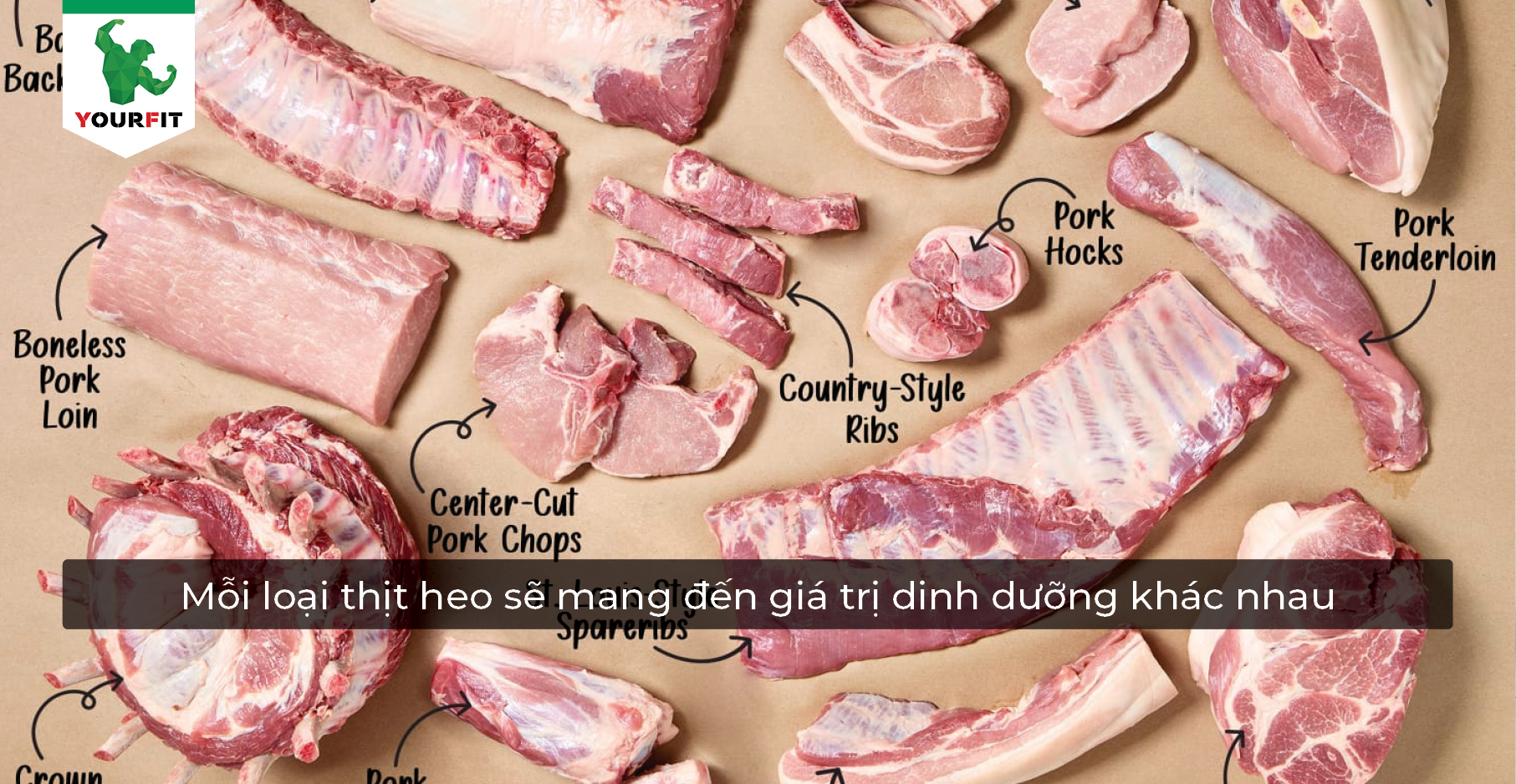
The following figures are approximate examples per 100 g. Use a product label or a food-composition entry matching your exact cut and preparation for accurate tracking.
| Cut | Energy | Protein | Fat |
|---|---|---|---|
| Lean pork | 143–170 kcal | 20–22 g | 3–5 g |
| Pork jowl | 240–280 kcal | 15–18 g | 18–22 g |
| Pork shoulder | 250–270 kcal | 18–22 g | 18–22 g |
| Pork belly | Varies widely with its fat layers | Approximately 15–17 g in some preparations | Often substantially higher than lean pork |
| Spare ribs | 260–300 kcal | 15–18 g | 22–26 g |
| Pork chop | 230–250 kcal | 20–22 g | 16–18 g |
1.1. Lean pork
Lean pork is a concentrated protein source. Approximate micronutrient amounts per 100 g include thiamin 0.8 mg, vitamin B6 0.4–0.5 mg, vitamin B12 0.7 µg and niacin 5–6 mg. It may also provide zinc 2–3 mg, iron 1–1.5 mg, phosphorus 180–200 mg and selenium 20–25 µg.
1.2. Pork jowl
Jowl contains more fat than lean loin. Approximate values include thiamin 0.7–0.9 mg, vitamin B6 0.4 mg and niacin 4–5 mg, with zinc 2–3 mg, iron 0.8–1 mg and phosphorus 150–180 mg per 100 g.
1.3. Pork shoulder
The amount of fat depends on trimming. Approximate micronutrient values include thiamin 0.7–0.9 mg, riboflavin 0.2–0.3 mg, vitamin B6 0.4 mg and vitamin B12 0.8–1.2 µg. Minerals include calcium 10–15 mg, iron 1.8–2.3 mg, phosphorus 190–220 mg, zinc 3–4 mg and potassium 280–320 mg. Water may account for roughly 60–70% of the weight.
1.4. Pork belly
Belly alternates layers of lean meat and fat, so two portions of the same weight can differ substantially. It contains saturated, monounsaturated and polyunsaturated fats. Approximate micronutrient examples include thiamin 0.6–0.8 mg, vitamin B6 0.3 mg, niacin 3.5–4 mg, zinc 2–3 mg, phosphorus 150–170 mg and iron 1–1.2 mg per 100 g.
1.5. Spare ribs
Check whether a recorded weight includes the bone. Approximate micronutrient values for an edible portion include thiamin 0.4–0.6 mg, riboflavin 0.1–0.2 mg and vitamin B6 0.3 mg; calcium 15–20 mg, iron 1.5–2 mg, phosphorus 200–250 mg, zinc 2–3 mg and potassium 150–200 mg. Unseasoned examples may contain 60–90 mg sodium, while marinades can add considerably more. Water content may be around 50–60%.
1.6. Pork chops
Fat content varies with the cut and whether the outer fat is removed. Approximate values include thiamin 0.6–0.8 mg, riboflavin 0.1–0.15 mg, vitamin B6 0.5–0.7 mg and vitamin B12 0.6–1 µg. Mineral examples include calcium 10–15 mg, iron 1.5–2 mg, phosphorus 190–210 mg and zinc 3–4 mg per 100 g.
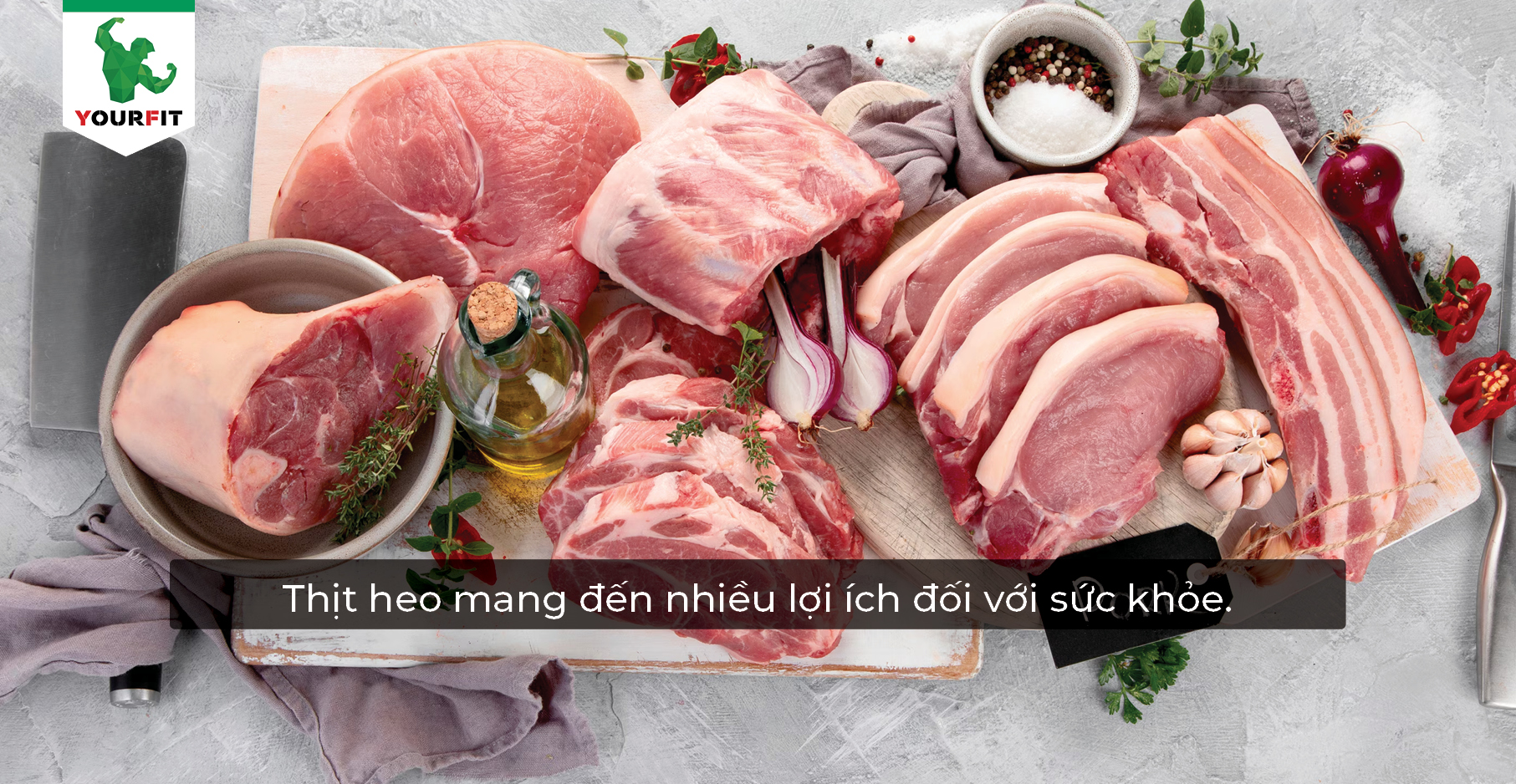
2. Nutritional benefits of pork
2.1. Complete protein
Pork supplies essential amino acids used in muscle maintenance, tissue repair and many other normal body functions.
2.2. B vitamins
Thiamin and other B vitamins help the body use energy from food and support normal nervous-system function. You do not need a fatty cut to obtain these nutrients.
2.3. Essential minerals
Iron, zinc and phosphorus contribute to normal blood formation, immune function and bone health. Pork provides smaller amounts of several other minerals too.
2.4. Energy
Protein and fat contribute energy. Portion size and cut selection can be adjusted for people with different activity levels and energy requirements.
2.5. Immune function
Zinc and vitamin B6 are among the nutrients involved in normal immune function. Pork is one possible source within a varied diet.
2.6. Muscle maintenance and recovery
For people who exercise, pork can contribute to daily protein needs and recovery when combined with adequate energy, other nutrient-rich foods and a suitable training programme.
3. What to consider when eating pork
3.1. Look for leaner cuts
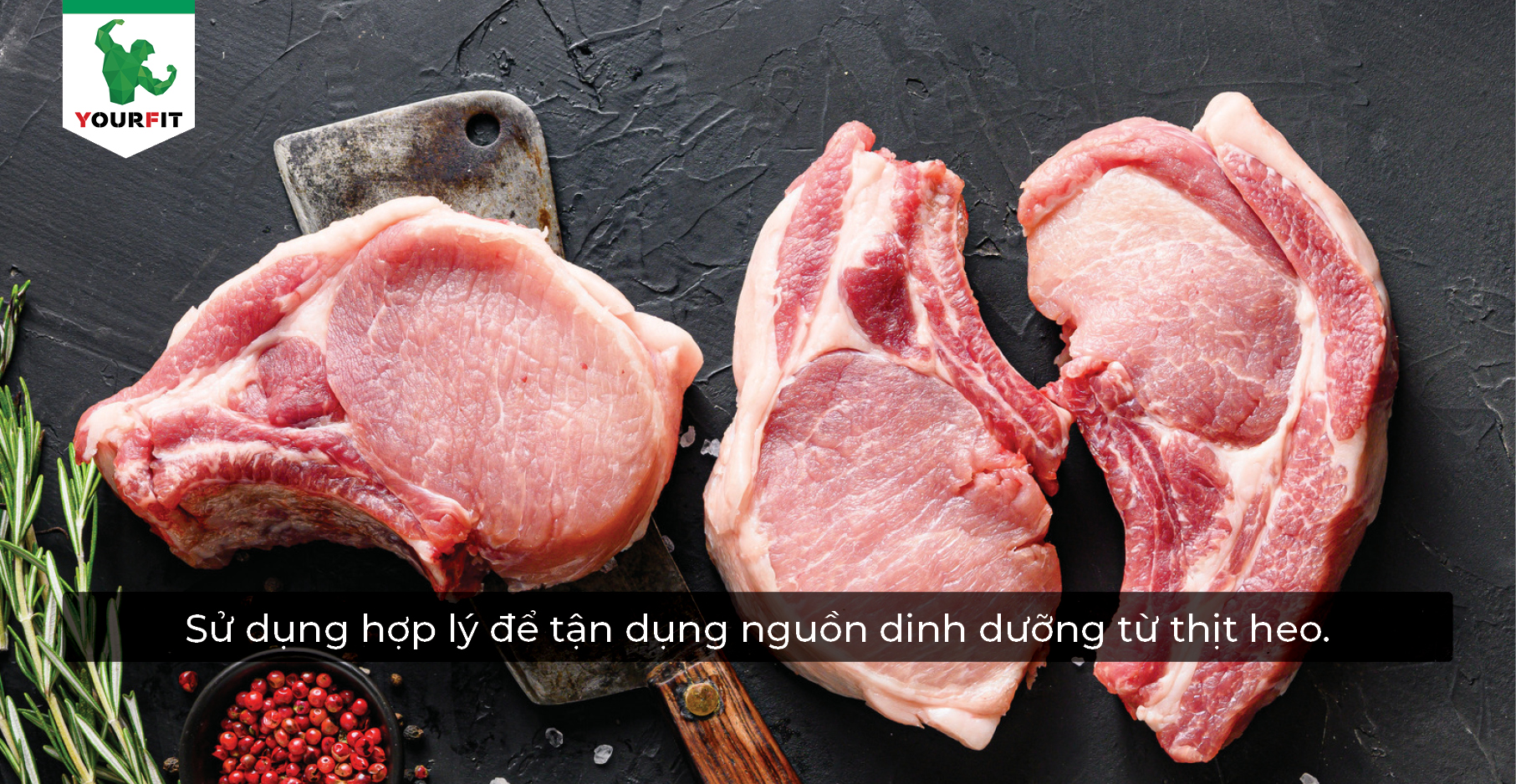
Choose well-trimmed lean pork, such as loin or tenderloin, more often. Shoulder, ribs and chops vary widely, so assess the visible fat rather than relying on the cut name alone.
3.2. Limit processed pork
Sausages, ham and bacon can contain substantial sodium and other added ingredients. Keep them occasional choices and compare labels.
3.3. Cook with moderate added fat
Steaming, boiling and grilling without charring can be useful alternatives to deep-frying. When stir-frying, measure the oil rather than pouring freely.
3.4. Build a balanced plate
Serve pork with vegetables and suitable carbohydrate foods. Vegetables add fibre and a wider range of micronutrients.
3.5. Cook safely
Cook pork thoroughly using safe food-handling practices. Raw or undercooked pork can carry harmful organisms, including parasites such as Trichinella. Keep raw meat and ready-to-eat foods separate.
3.6. Adapt to individual health needs
If you manage cardiovascular disease, high blood pressure or diabetes, discuss portion size, saturated fat and sodium with your healthcare team. Lean, minimally processed options are generally easier to fit into an individual plan.
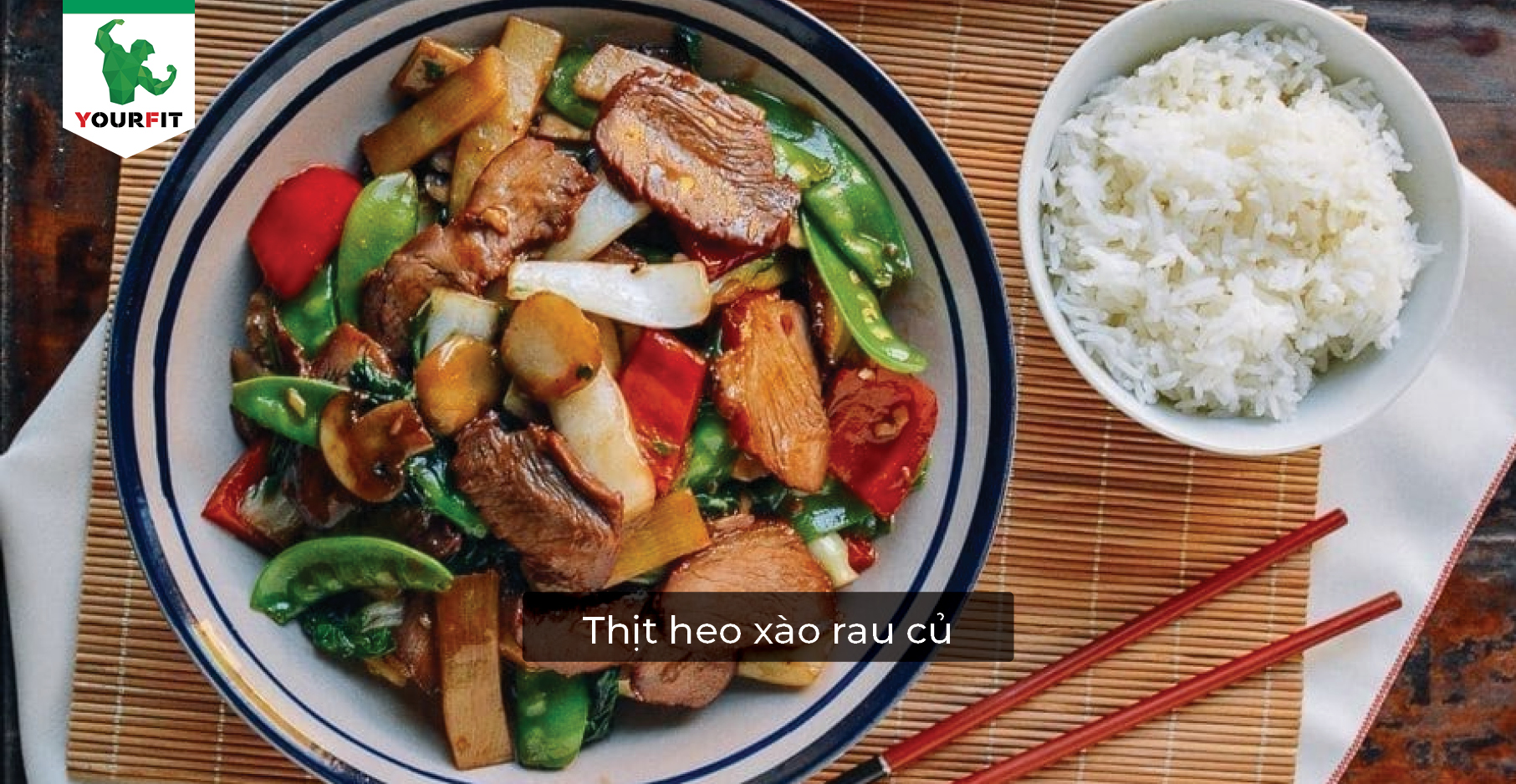
4. Simple pork and vegetable stir-fry
Ingredients
- 200 g lean pork, such as trimmed loin or shoulder, thinly sliced.
- 1 carrot, peeled and thinly sliced.
- 1 bell pepper, cut into strips.
- 100 g broccoli, cut into small florets.
- ½ onion, thinly sliced.
- 2–3 garlic cloves, minced.
- 1 tablespoon olive oil or another suitable cooking oil.
- 1–2 tablespoons reduced-sodium soy sauce.
- ½ teaspoon black pepper.
- 1 teaspoon sugar, optional.
- Up to ¼ teaspoon salt, optional and adjusted to taste.
- 1 tablespoon water or stock, plus more if needed.
Method
- Wash and prepare the vegetables. Marinate the sliced pork with a little soy sauce and pepper for 10–15 minutes; add salt only if needed.
- Heat the oil in a pan over medium heat. Add the garlic, then the pork. Stir-fry until the meat is cooked through, typically around 5–7 minutes depending on the thickness.
- Add the carrot, pepper, broccoli and onion, followed by the water or stock to prevent the pan from drying out.
- Add the remaining soy sauce and optional sugar. Cook for another 5–7 minutes or until the vegetables are tender but still retain some texture and colour.
- Check that the pork is fully cooked, adjust the seasoning and finish with black pepper.
5. Enjoying pork as part of a varied diet
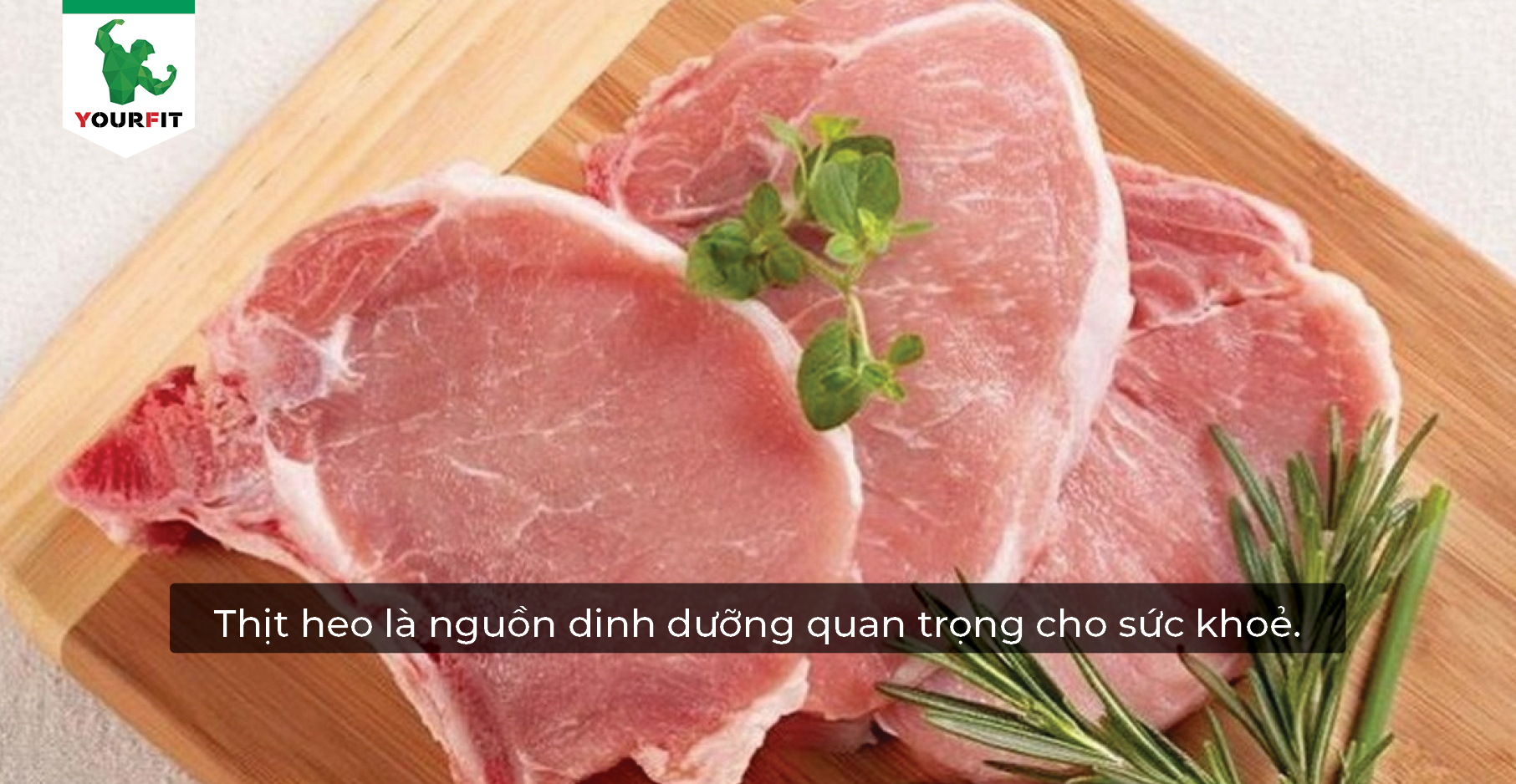
Pork can provide useful protein, vitamins and minerals. Choose cuts deliberately, account for added oil and sauces, cook safely and pair it with a variety of plant foods.