Oat Calories, Nutrition and an Easy No-Bake Oat Recipe
Explore oat calories, fiber and key nutrients, choose the right type, and try an easy banana and peanut butter oat snack without an oven.
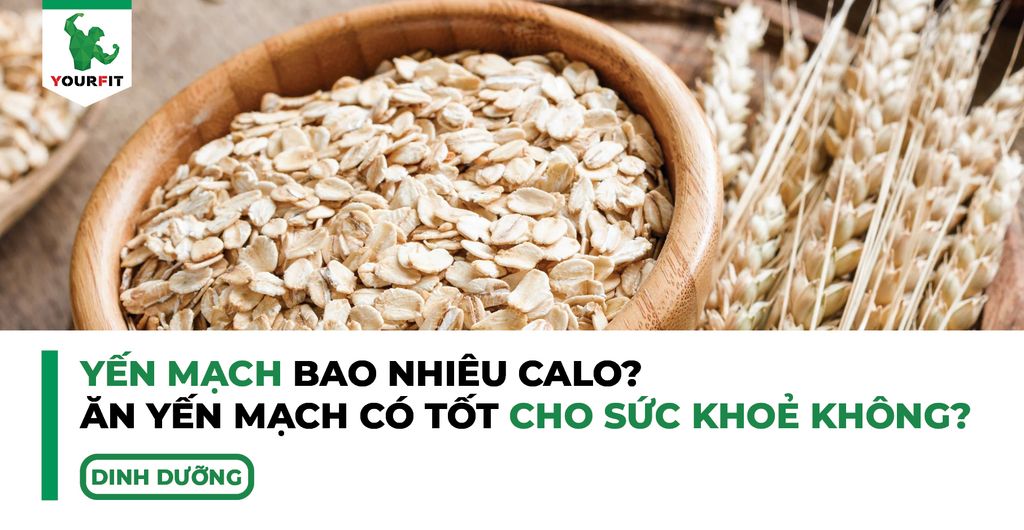
Oats are a whole grain widely grown in temperate regions, including Europe and North America. Their mild flavor, useful nutrients and simple preparation make them a popular ingredient for meals and snacks.
YourFit explains their calories, different forms and ways to use them in a varied diet.
1. How many calories are in oats?
Oat grains are pale brown or yellow and become flakes or flour when processed. The main forms are:
- Oat groats: the intact grain, with the inedible hull removed.
- Steel-cut oats: groats cut into pieces, usually requiring longer cooking.
- Rolled oats: steamed grains flattened into flakes.
- Instant oats: more finely processed flakes designed to cook quickly.
- Oat flour: oats ground into flour for baking and cooking.

Dry oats provide approximately 389 kcal per 100 g. Check the packaging for your product, and distinguish dry weight from cooked porridge: water or milk increases the finished weight and changes the calories per 100 g.
1.1 Energy and macronutrients
| Nutrient | Approximate amount per 100 g dry oats |
|---|---|
| Carbohydrate | 66.3 g |
| Sugars | 0.9 g |
| Total fiber | 10.6 g, including soluble beta-glucan |
| Protein | 16.9 g |
| Fat | 6.9 g |
| Saturated fat | 1.2 g |
| Monounsaturated fat | 2.2 g |
| Polyunsaturated fat | 2.5 g |
1.2 Vitamins
Approximate amounts include thiamin (B1), 0.76 mg; pantothenic acid (B5), 1.3 mg; vitamin B6, 0.1 mg; folate, 56 mcg; and vitamin E, 0.4 mg per 100 g dry oats.
1.3 Minerals
The same dry weight provides approximately 4.7 mg iron, 177 mg magnesium, 523 mg phosphorus, 429 mg potassium, 3.1 mg zinc, 54 mg calcium and 2 mg sodium. Values vary by product.
1.4 Plant compounds
Oats contain avenanthramides, a group of compounds studied for antioxidant activity.
2. Nutritional benefits

2.1 Supporting healthy cholesterol levels
Oats contain soluble beta-glucan fiber, which can help lower LDL cholesterol as part of an appropriate diet.
2.2 Carbohydrate absorption and blood glucose
Soluble fiber can slow digestion and carbohydrate absorption. The type of oats, cooking method, portion and toppings all affect the meal's blood-glucose impact.
2.3 Digestive health
Oat fiber contributes to bowel regularity and provides material that gut bacteria can use.
2.4 Weight management and fullness
Fiber and protein can help make an oat-based meal satisfying. Oats can fit a weight-management plan when portions and additions match your energy needs.
2.5 A heart-conscious food choice
Whole grains, fiber and a range of plant foods can form part of an eating pattern that supports cardiovascular health.
2.6 Supporting overall nutrition
Oats contribute minerals and other nutrients involved in normal body functions, including immune function.
2.7 Energy for your routine
Oats provide carbohydrate for breakfast or a meal before exercise. Allow enough time before training for the portion to feel comfortable.
2.8 Oats in skin-care products
Oat ingredients are also used in products formulated to soothe and moisturize skin. Skin-care applications are distinct from the nutritional benefits of eating oats.
2.9 Versatility across diets
Oats work in porridge, baked foods and smoothies. They are naturally gluten-free, but people avoiding gluten need suitable products because cross-contact can occur during growing and processing.
3. Tips for eating oats

3.1 Choose the product that suits you
Groats, steel-cut and rolled oats offer different textures and cooking times. Plain instant oats can also be convenient. Check flavored products for added sugar rather than judging only by how quickly they cook.
3.2 Start with a manageable portion
About 40–50 g of dry oats is a useful example for a meal. Adjust it to your needs, and increase fiber gradually if larger portions cause bloating or discomfort.
3.3 Add protein and suitable fats
Combine oats with eggs, unsweetened yogurt or milk. Plant-based milks vary in protein content. Modest amounts of peanut butter, chia seeds or almonds add flavor and fat.
3.4 Watch the additions
Fresh fruit and cinnamon can add flavor without relying on large amounts of syrup or cream. Honey and other syrups still count as added sugar.
3.5 Drink enough water
Stay hydrated as part of a fiber-rich eating routine.
3.6 Consider allergies and gluten avoidance
Choose certified gluten-free oats if required for your diet. People with an oat allergy should avoid oats, and those with celiac disease should follow their individual care advice.
3.7 Choose a practical eating time
Breakfast and a pre-training meal are convenient options. The best timing depends on your schedule, appetite and digestive comfort.
3.8 Keep the total meal in view
Large servings and generous sweet toppings can push calories above your needs, even when the base ingredient is nutritious.
4. Recipe: no-bake banana and peanut butter oat bites

These simple oat bites require no oven.
Ingredients
- 100 g rolled oats suitable for eating without further cooking, according to the package.
- 2 ripe bananas.
- 2 tablespoons unsweetened peanut butter.
- 1 tablespoon chia or flax seeds.
- 1–2 tablespoons honey or syrup, optional and to taste.
- ½ teaspoon ground cinnamon, optional.
- 30 g dried fruit, such as raisins or cranberries.
- 20 g almonds, walnuts or pumpkin seeds, optional.
Method
- Peel the bananas and mash them with a fork in a large bowl.
- Add the oats, peanut butter, optional honey, chia or flax seeds, dried fruit and nuts. Mix until the ingredients hold together.
- Shape small balls or flatten them into cookie-like rounds.
- Place on a parchment-lined tray and refrigerate for 1–2 hours to firm up.
- Serve chilled. Store covered in the refrigerator and enjoy promptly, taking account of the freshness of the ingredients.
For variety, try a little cocoa powder or dried shredded coconut, or use maple syrup instead of honey. All additions change the recipe's calories. Fresh mango also works well alongside a bowl of oats.
5. Conclusion

Oats provide carbohydrate, fiber, protein and a range of micronutrients. Choose a form you enjoy, measure the dry portion and build a balanced meal around it.