Mango Calories: Nutrition, Benefits and Weight Management
Discover the calories and nutrients in ripe mango, how portions affect your intake, and practical ways to enjoy mango in a balanced diet.

Mango is one of the world's favorite tropical fruits, prized for its aroma, refreshing sweetness and versatility. Enjoyed fresh, in salads or with yogurt, it can bring useful nutrients and variety to everyday meals.
YourFit explores its calorie content, nutritional benefits and the choices that help it fit your goals.
1. How many calories are in 100 g of mango?
100 g of ripe mango flesh contains approximately 60 calories. Mango originated in South Asia, particularly the Indian subcontinent, and is now widely grown in tropical countries, including Vietnam. Depending on the variety and ripeness, its thin skin may be green, yellow or orange. Inside is juicy yellow-orange flesh with a sweet or sweet-tart flavor and a large, flat stone.
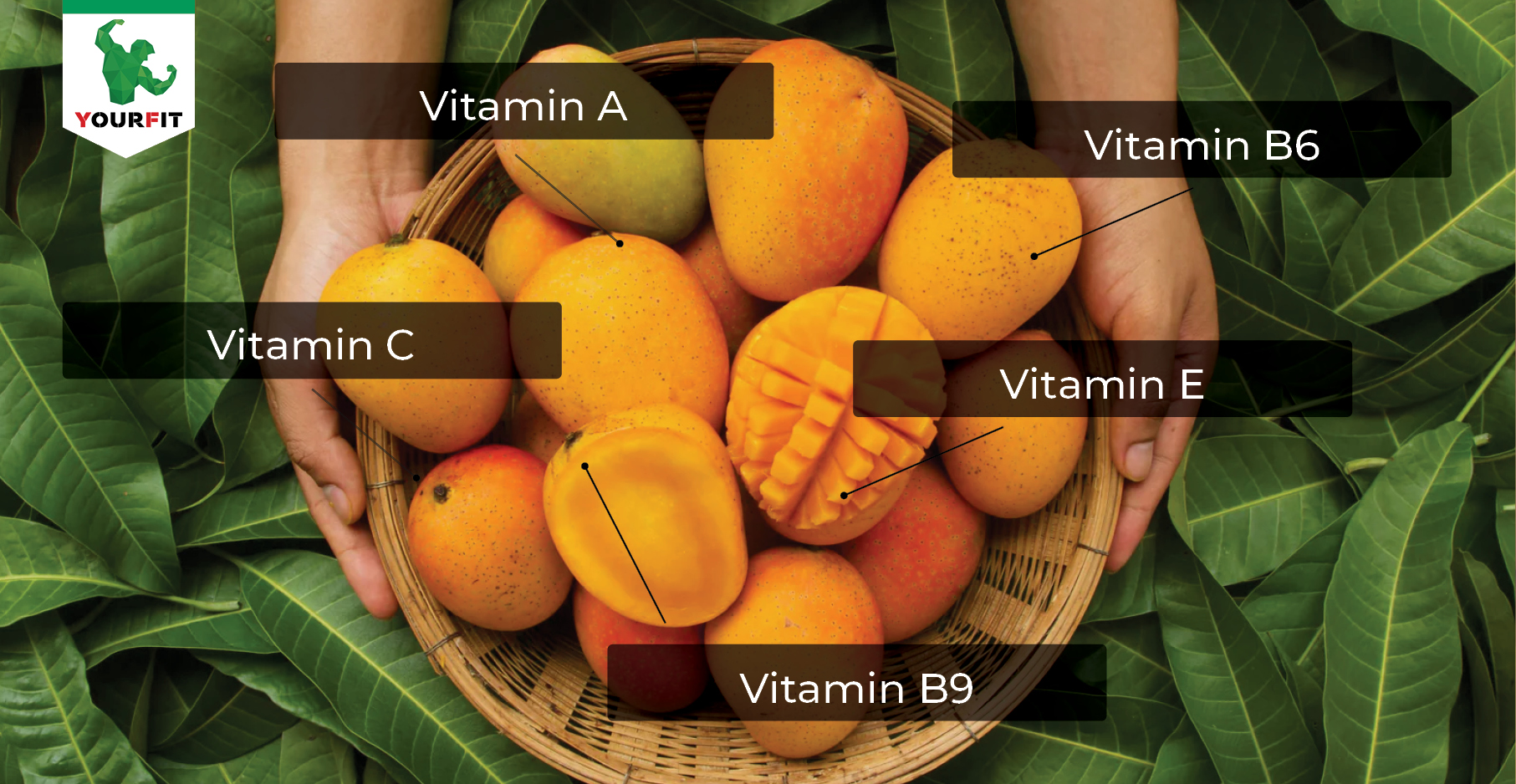
The figures below refer to 100 g of edible ripe fruit. They vary with variety and ripeness.
| Nutrient | Approximate amount per 100 g |
|---|---|
| Carbohydrate | 15 g, mainly naturally occurring sugars |
| Fiber | 1.6 g |
| Protein | 0.8 g |
| Fat | 0.4 g |
| Vitamin C | 36.4 mg |
| Vitamin B6 | 0.1 mg |
| Folate | 43 mcg |
| Vitamin E | 0.9 mg |
| Vitamin K | 4.2 mcg |
| Potassium | 168 mg |
| Magnesium | 10 mg |
| Calcium | 11 mg |
| Phosphorus | 14 mg |
| Iron | 0.2 mg |
| Zinc | 0.1 mg |
Mango also contains beta-carotene, which the body can convert to vitamin A, and plant compounds such as lutein and zeaxanthin.
2. Nutritional benefits of mango
2.1 Supporting immune function
Vitamins C and A contribute to the normal functioning of the immune system.
2.2 Supporting eye health
Beta-carotene contributes to vitamin A intake, which is important for normal vision.

2.3 Supporting digestion
Mango provides fiber, which contributes to bowel regularity. Ripe mango also contains enzymes such as amylase that break down starch as the fruit ripens.
2.4 Contributing to a heart-conscious diet
Its potassium and fiber can contribute to a varied eating pattern that supports cardiovascular health.
2.5 Providing antioxidant compounds
Beta-carotene, quercetin and mangiferin are among the plant compounds found in mango. These compounds are studied for their antioxidant activity.
2.6 Helping with weight management
Fresh mango supplies water and fiber with a moderate amount of energy. A measured portion can make a satisfying fruit snack.
2.7 Skin and hair nutrition
Vitamin C is needed for collagen formation, while vitamin A contributes to normal skin function. Adequate nutrition also supports healthy hair.
2.8 Considering blood glucose
Mango contains natural sugars, so the amount eaten matters when managing blood glucose. Enjoy a suitable portion as part of your overall carbohydrate intake.
2.9 Nervous-system nutrition
Vitamin B6 has a role in normal nervous-system function and the production of neurotransmitters involved in mood.
3. Can mango cause weight gain?
Mango does not inherently cause weight gain. The deciding factor is how your overall energy intake compares with your needs over time.

At around 60 calories per 100 g, a portion containing 200–300 g of mango flesh supplies approximately 120–180 calories. Large portions, several servings or calorie-rich additions can raise total intake.
Its fructose and glucose are naturally occurring sugars, but they still contribute energy. With suitable portions and a balanced diet, mango can fit comfortably into a weight-management plan.
4. How to make the most of mango
4.1 Choose a suitable portion
A 200–300 g portion may be appropriate for some people, but it is not a daily requirement or universal limit. Consider the other fruit and carbohydrate foods you eat.
4.2 Pick a time that suits your routine
Mango can be an appealing midmorning or afternoon snack. The portion and your total intake matter more for weight management than whether you eat it in the evening.

4.3 Pay attention to stomach comfort
Tart mango may feel uncomfortable on an empty stomach for some people, particularly those prone to acid-related symptoms. Choose a smaller portion or have it with a meal if that suits you better.
4.4 Select good-quality fruit
Buy sound fruit from a reliable supplier and wash it before cutting. If you enjoy green mango, use salt and other seasonings moderately.
4.5 Combine it with other nutritious foods
Try mango with unsweetened yogurt, in a salad or with a modest serving of nuts. These combinations bring different textures and can add protein, fiber or unsaturated fat.
4.6 Limit calorie-rich extras
Added sugar, condensed milk and ice cream can turn a simple fruit serving into a much richer dessert. Salt adds sodium rather than calories, so use that sparingly too.
4.7 Consider individual needs
- Diabetes: include mango within the carbohydrate portions that suit your care plan.
- Allergy: mango sap or skin can cause reactions in some people. Stop eating it if you develop itching, redness or other symptoms.
- Personal tolerance: choose an amount that feels comfortable, particularly if large fruit portions upset your digestion.
4.8 Store it properly
Keep ripe mango in a cool place or refrigerate it, and use it while it is fresh. Refrigerate cut fruit and avoid fruit that has spoiled.
5. Conclusion

Mango offers flavor, fiber and a range of micronutrients for relatively few calories. Enjoy fresh fruit in portions that suit your needs, and pay attention to additions that change the energy content. For another breakfast or snack ingredient, see our guide to oat nutrition and preparation.