Grape Calories, Nutrition and Portion Tips
See calories and nutrients in 100 g of grapes, with practical guidance on portions, washing, storage and fitting fruit into your diet.

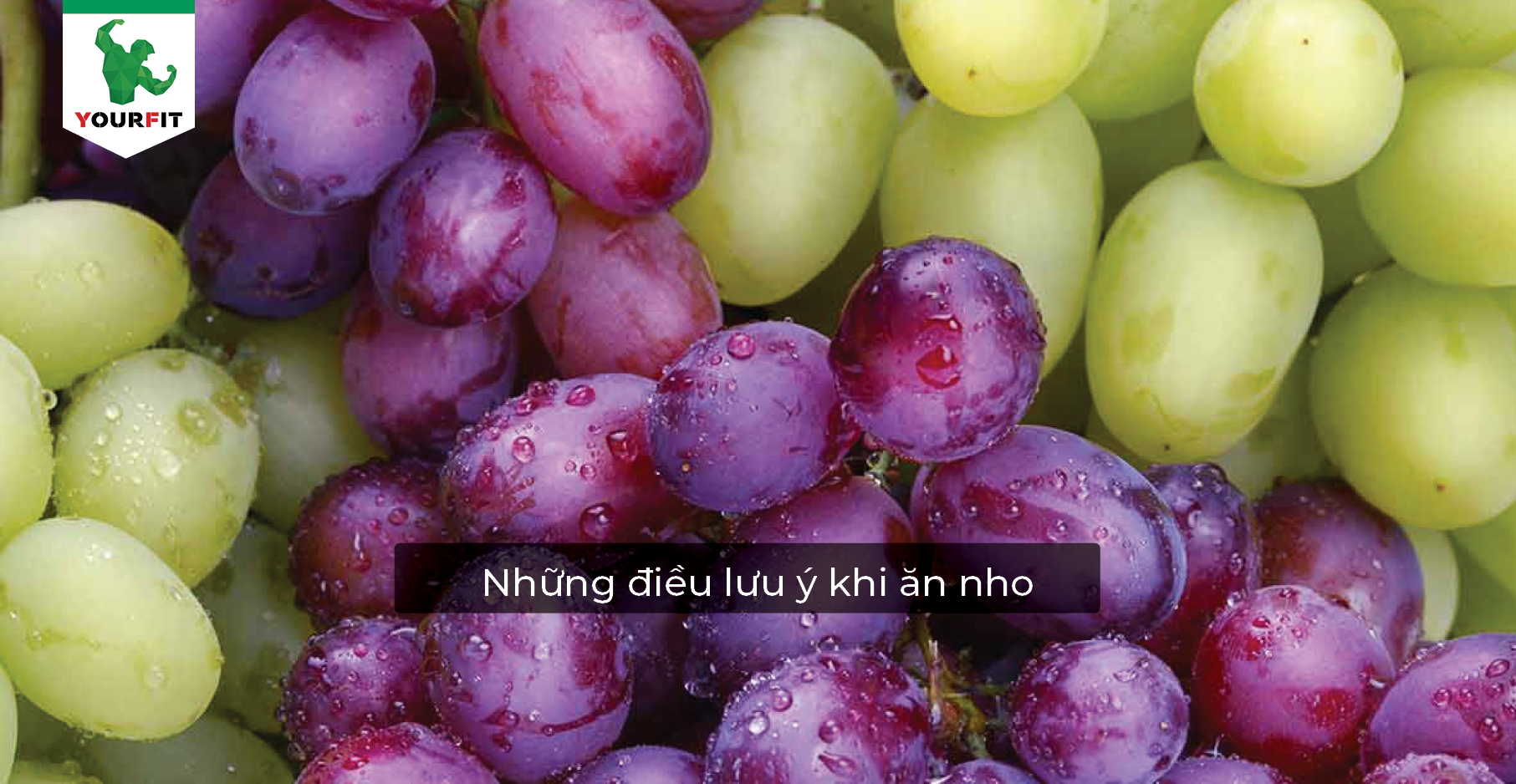
Grapes are easy to enjoy fresh or add to everyday meals. Green, red, black and seedless varieties offer different flavors, with water, carbohydrate and a range of micronutrients and plant compounds.
1. How many calories are in grapes?
Fresh grapes contain approximately 69 kcal per 100 g. The amount varies slightly by variety and ripeness.

1.1. Main nutrients
| Nutrient | Approximate amount per 100 g |
|---|---|
| Energy | 69 kcal |
| Carbohydrate | 18.1 g |
| Protein | 0.7 g |
| Fat | 0.16 g |
| Fiber | 0.9 g |
| Vitamin C | 4 mg |
| Vitamin K | 14.6 µg |
| Vitamin B6 | 0.1 mg |
| Folate | 2 µg |
| Potassium | 191 mg |
| Calcium | 10 mg |
| Magnesium | 7 mg |
| Phosphorus | 20 mg |
| Iron | 0.3 mg |
1.2. Vitamins, minerals and plant compounds
Grapes contribute vitamin K, potassium and smaller amounts of other nutrients. Their plant compounds include resveratrol, quercetin and catechins; the amounts differ between varieties and parts of the fruit.
2. Nutritional benefits of grapes
2.1. Heart-health context
Fruit can be part of a varied eating pattern that supports cardiovascular health. Grapes contribute potassium and plant compounds within that pattern.
2.2. Immune-related nutrients
Grapes contain some vitamin C, one of the nutrients involved in normal immune function. Include other fruits and vegetables as well.
2.3. Antioxidant compounds
Resveratrol, quercetin and catechins add to the variety of plant compounds in your diet. Eating grapes is different from taking a concentrated extract.
2.4. Digestive health
The water and modest amount of fiber in grapes contribute to normal dietary intake. They are one fruit option among many.

2.5. Brain-health context
A varied diet supports overall health, including the nervous system. Grapes can be included without expecting a particular serving to improve memory or prevent neurological disease.
2.6. Bone-related nutrients
Vitamin K and small amounts of calcium and magnesium contribute to the diet. Grapes complement, rather than replace, more substantial sources of bone-related nutrients.
2.7. Liver-health context
Fruit can fit a balanced diet, but grapes are not a liver “detox.” If you have a liver condition, follow advice tailored to that condition.
2.8. Skin nutrition
Vitamin C contributes to normal collagen formation. A varied diet and adequate nutrition matter more than expecting one fruit to change skin appearance.
3. Can grapes contribute to weight gain?
A moderate portion can fit into a weight-management plan. Grapes contain around 15–16 g of natural sugars per 100 g, so very large portions still add carbohydrate and calories.

Weight change depends on overall intake over time. There is no need to avoid grapes simply because they taste sweet, but it helps to serve a portion instead of grazing through a large bunch without noticing.
4. Tips for eating grapes
4.1. Choose a comfortable portion
About 100–150 g is one practical serving example. Adjust it to your appetite, overall diet and any individual carbohydrate guidance.
4.2. Choose the time that suits you
Grapes can work at breakfast or as a snack. Eating them in the evening does not automatically turn their sugar into body fat.
4.3. Pair them with other foods if preferred
Yogurt or a small portion of nuts can make a more varied snack. If acidic foods bother your stomach, notice your own tolerance.
4.4. Account for carbohydrate when needed
If you manage diabetes, include grapes within your usual carbohydrate plan and monitoring routine.
4.5. Use individual tolerance as a guide
There is no general need to separate grapes from milk or seafood. Avoid combinations only if you have a relevant allergy, intolerance or personalized advice.
4.6. Follow medicine-specific dietary guidance
If a prescribed medicine comes with dietary instructions, follow them and ask a pharmacist or clinician about substantial changes. Do not treat ordinary grapes and concentrated resveratrol supplements as equivalent.
4.7. Wash and store carefully
Choose fresh fruit from a reliable supplier. Refrigerate grapes, ideally around 0–4°C, and keep them dry until use. Rinse under running water before eating and remove spoiled fruit.
5. Takeaway

Grapes offer a convenient fresh-fruit option. A suitable portion, careful storage and a varied overall diet make them easy to enjoy.
For another fruit comparison, explore plum calories and nutrition.