Plum Calories, Nutrition and Ways to Enjoy Them
See calories and nutrients in 100 g of fresh plums, plus practical ideas for portions, salads, smoothies and cooking.

Plums are prized for their juicy flesh and naturally sweet-tart flavor. Their smooth skins range from red and purple to green and yellow, with different varieties offering distinct textures and tastes. YourFit explores the nutrients in fresh plums and ways to enjoy them.
1. How many calories are in plums?
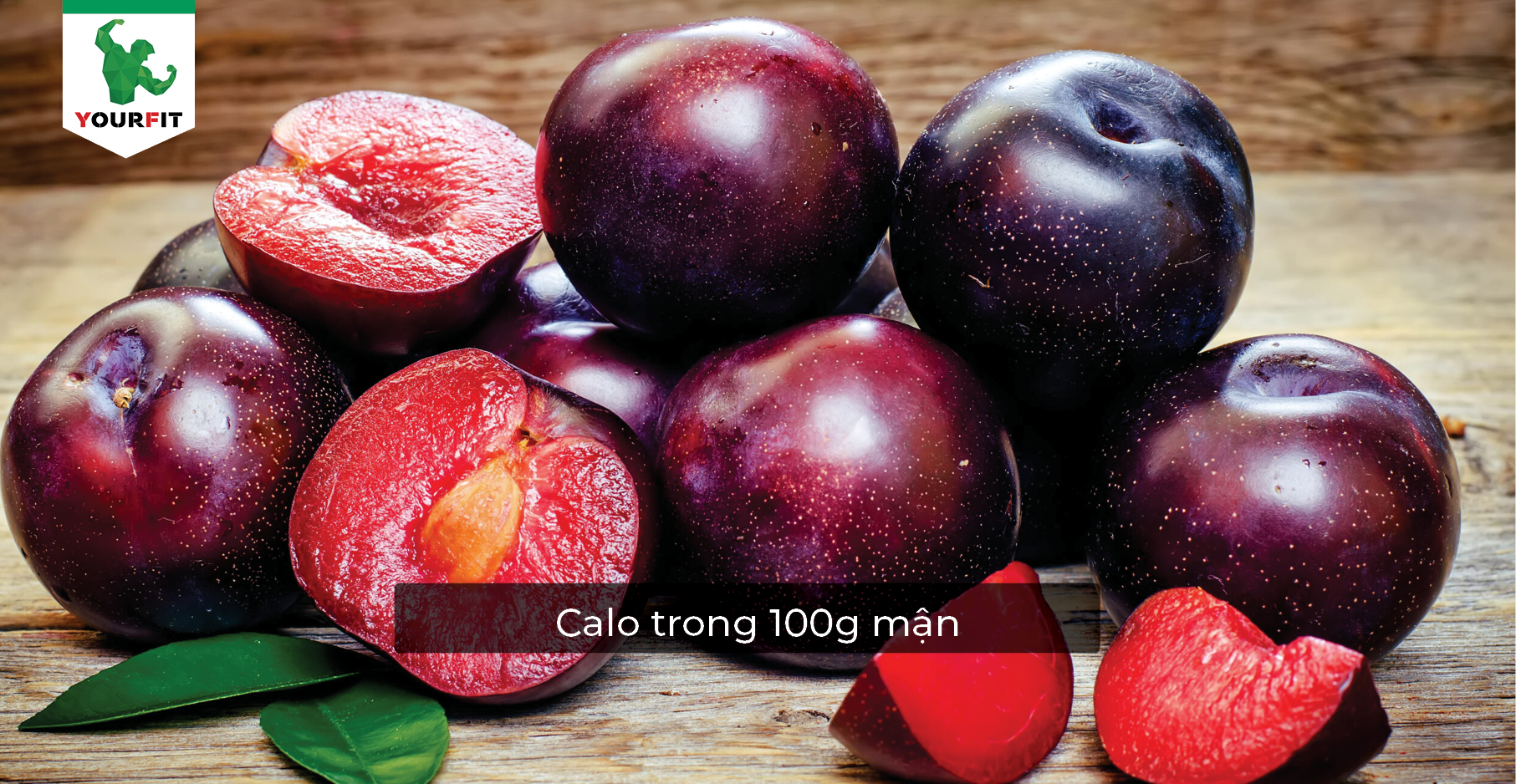
Fresh plums provide approximately 46 kcal per 100 g. That may be two or three small fruits, but their size varies considerably.
1.1. Main nutrients
| Nutrient | Approximate amount per 100 g fresh plums |
|---|---|
| Energy | 46 kcal |
| Water | 87–89% |
| Carbohydrate | 11.4 g |
| Sugars | 9.9 g |
| Fiber | 1.4 g |
| Protein | 0.7 g |
| Fat | 0.3 g |
| Vitamin C | 9.5 mg |
| Vitamin A | 345 IU |
| Vitamin K | 6.4 µg |
| Potassium | 157 mg |
| Magnesium | 7 mg |
| Iron | 0.2 mg |
1.2. Vitamins, minerals and plant compounds
Plums contribute vitamin C, vitamin K and potassium along with smaller amounts of other nutrients. They also contain polyphenols, including pigments such as anthocyanins in red and purple varieties. Beta-carotene is a precursor of vitamin A.
2. Nutritional benefits of plums
2.1. Digestive health
Fiber supports normal bowel movements. Plums also contain sorbitol, which can affect bowel habits; a large quantity may cause discomfort in some people.
2.2. Immune function
Vitamin C contributes to normal immune function and the body's antioxidant defenses. Fresh fruit is one way to include it in a varied diet.
2.3. Heart-health context
Potassium and plant compounds help make fruit a useful part of a balanced eating pattern. A serving of plums contributes to that pattern without acting as a treatment for blood pressure or cholesterol.
2.4. Weight management
Their water content and modest calories make fresh plums a refreshing snack. Fiber adds to the meal's overall volume and can support fullness.
2.5. Bone-related nutrients
Plums contain vitamin K and small amounts of minerals involved in bone health. They complement other nutrient sources in the diet.
2.6. Eye-related nutrients
Beta-carotene contributes to vitamin A intake, which matters for normal vision. Include a variety of colorful produce rather than relying on one fruit.
2.7. Antioxidant compounds
Anthocyanins and other polyphenols contribute to the range of plant compounds in a varied diet.
2.8. Nervous-system nutrition
The vitamins and minerals found in fruit contribute to overall nutritional adequacy, including nutrients used in normal nerve function.
2.9. Blood-sugar considerations
Fresh plums contain natural sugar as well as fiber. If you monitor carbohydrate intake, include the serving in your meal plan rather than assuming a sweet fruit must always be avoided.
2.10. A varied plant-food pattern
Enjoying plums alongside other fruits and vegetables increases dietary variety. No single fruit can guarantee protection against cancer or other chronic disease.
3. Does eating plums regularly cause weight gain?
A reasonable portion of fresh plums can fit into a weight-management plan. Long-term weight change depends on overall energy intake, not how often you eat one particular fruit.

Sweetened preserves, candied plums and salted snacks differ from fresh fruit. Added sugar raises calories, while salt changes their sodium content. Large amounts of plums may also cause bloating or stomach discomfort, especially if you are sensitive to acidic fruit or sorbitol.
4. Ways to enjoy plums
4.1. Eat them fresh
Wash the fruit thoroughly and remove the stone. Fresh plums retain their fiber and make a simple snack.
4.2. Add them to a salad
Slice plums into leafy greens with almonds or a little cheese for a mix of sweet, tart and savory flavors.
4.3. Blend a smoothie or make juice
Blend plums with plain unsweetened yogurt and, if needed, a little honey. A smoothie that keeps the pulp retains more fiber than strained juice.
4.4. Try dried plums
Drying concentrates the fruit into a smaller volume. Use a smaller portion and check whether sugar has been added when buying dried or preserved products.
4.5. Cook with them
Plums work in roast dishes, sauces and stews, including chicken with plum sauce or beef cooked with plums.
4.6. Include them when they suit your routine
Breakfast or a between-meal snack are convenient options. Choose a comfortable amount rather than using a particular mealtime as a digestive treatment.
4.7. Keep the skin
The skin contributes fiber and plant compounds. Wash it well and enjoy it with the flesh if you prefer.
5. Takeaway
Fresh plums offer water, fiber and micronutrients in a modest-calorie serving. Enjoy them whole or in meals, while treating sweetened and dried versions as different portions.