Instant Noodle Calories: What Is in One Packet?
Explore calories and nutrients in a 70–85 g packet of instant noodles, plus ways to add vegetables, protein and variety to your meal.

Instant noodles became popular for good reasons: they are affordable, easy to store and ready in minutes. The many flavors make them a convenient option when you need a quick meal. Understanding what a packet provides helps you decide what else to put in the bowl.
1. How many calories are in one packet?
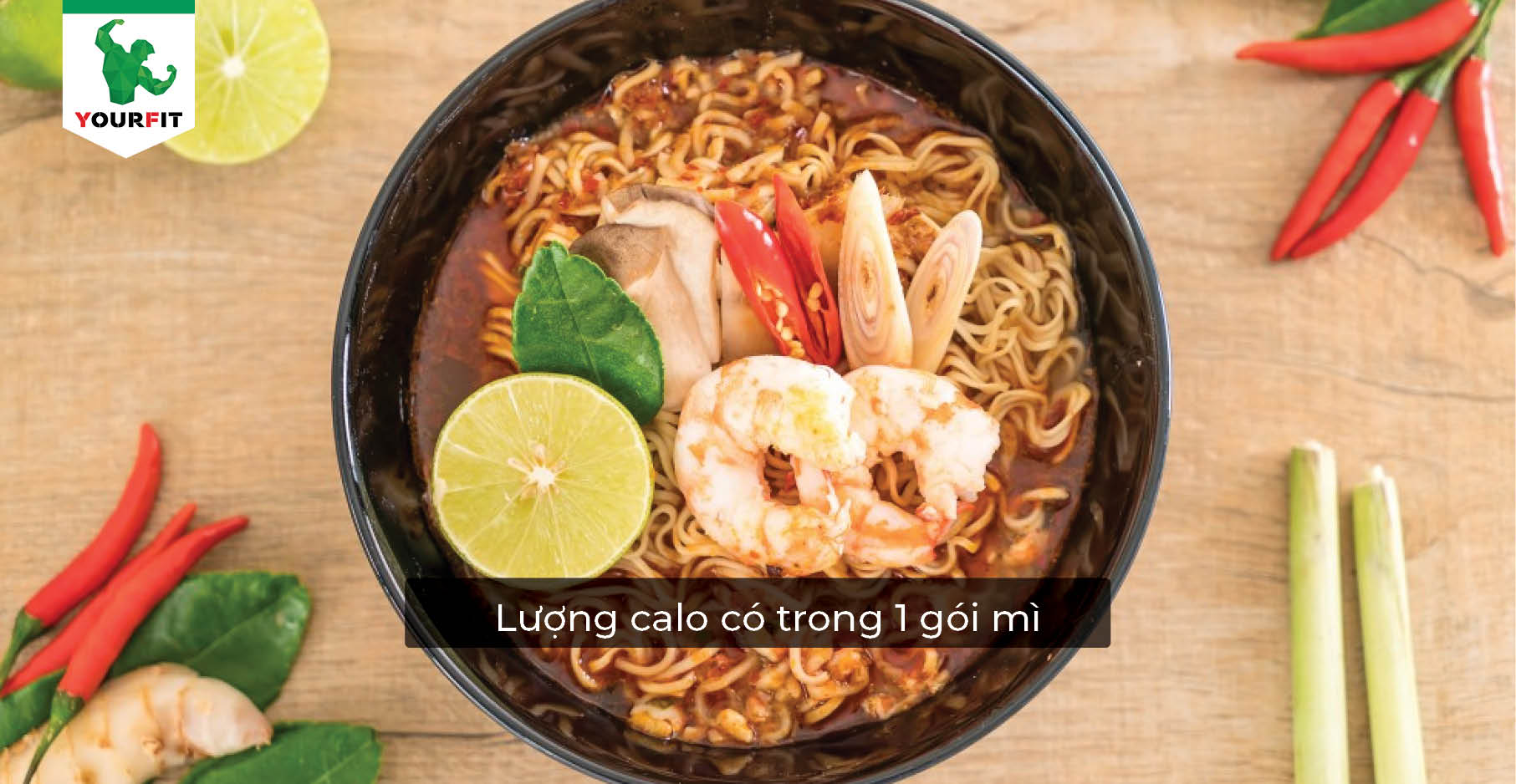
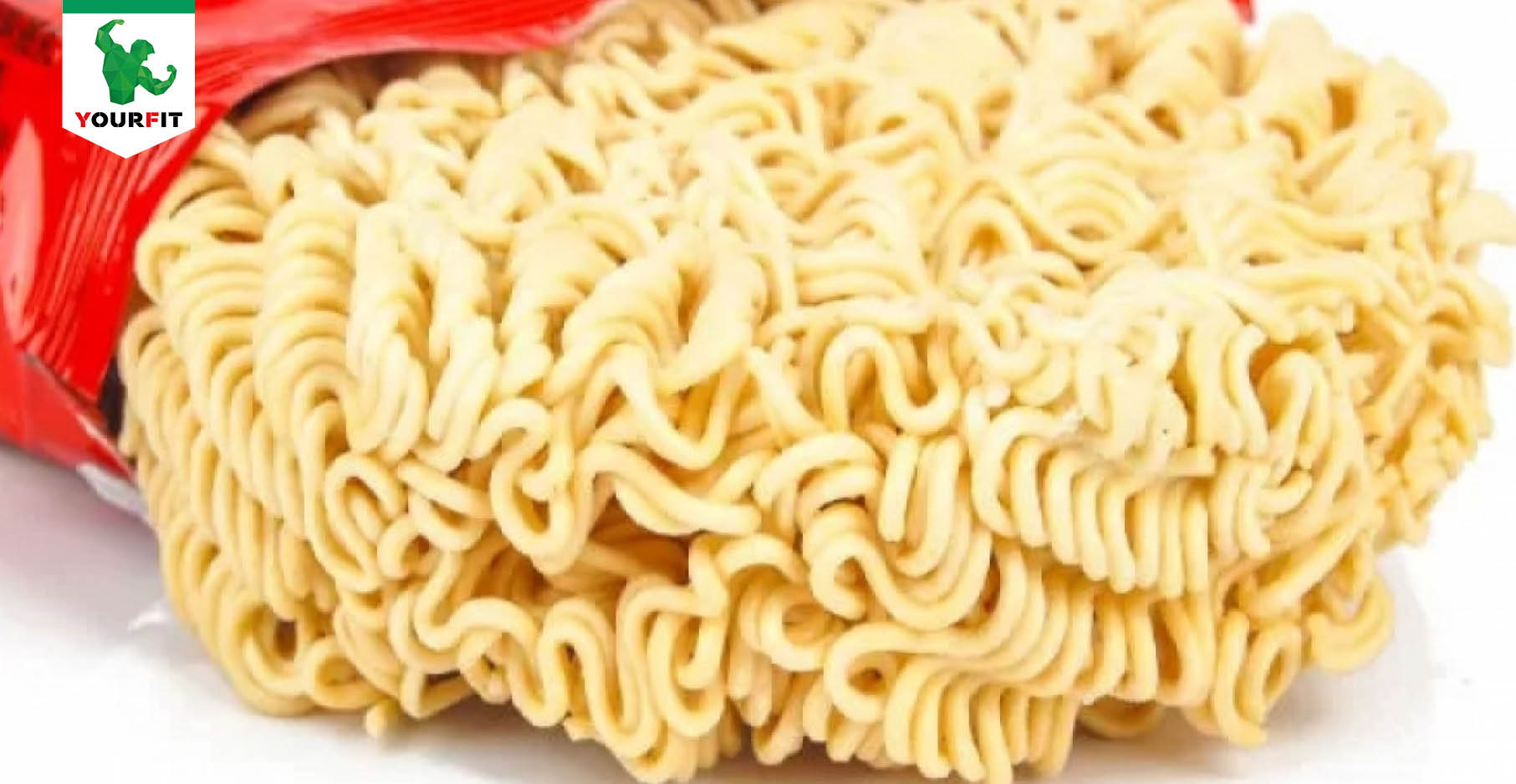
A dry packet weighing about 70–85 g commonly contains 350–450 kcal. Brands and recipes differ, so check the package for both serving size and whether the values include the seasoning and oil sachets.
1.1. Carbohydrate
A packet may provide roughly 40–50 g, mainly from wheat flour and other starch ingredients. Carbohydrate supplies energy for daily activity.
1.2. Protein
Many packets provide around 5–8 g. Adding another protein food can make the meal more complete.
1.3. Fat
Fried noodle blocks may contain around 14–20 g of fat per packet. The type and quantity of oil determine the fat profile; compare labels, including saturated fat.
1.4. Fiber
About 1–2 g per packet is a common estimate, which is why vegetables and other fiber-containing foods are useful additions.
1.5. Sodium
A packet may contain roughly 800–1,000 mg of sodium, and strongly seasoned varieties can contain more. Sodium and salt are not the same measurement, so read labels carefully.
1.6. Vitamins and minerals
Instant noodles often supply a limited range unless fortified. Some products contain added B vitamins or iron.
1.7. The overall picture
The 350–450 kcal estimate mainly reflects carbohydrate and fat. Protein, fiber and micronutrient variety are usually modest in a plain packet.
2. Does eating instant noodles often cause weight gain?

A packet can fit within your daily energy intake. Weight gain becomes more likely when your overall intake repeatedly exceeds your needs, including energy from extra packets, rich toppings or drinks. Calorie needs vary with body size, activity and other factors.
3. Why can frequent noodle meals be difficult to balance?
3.1. Energy and fat
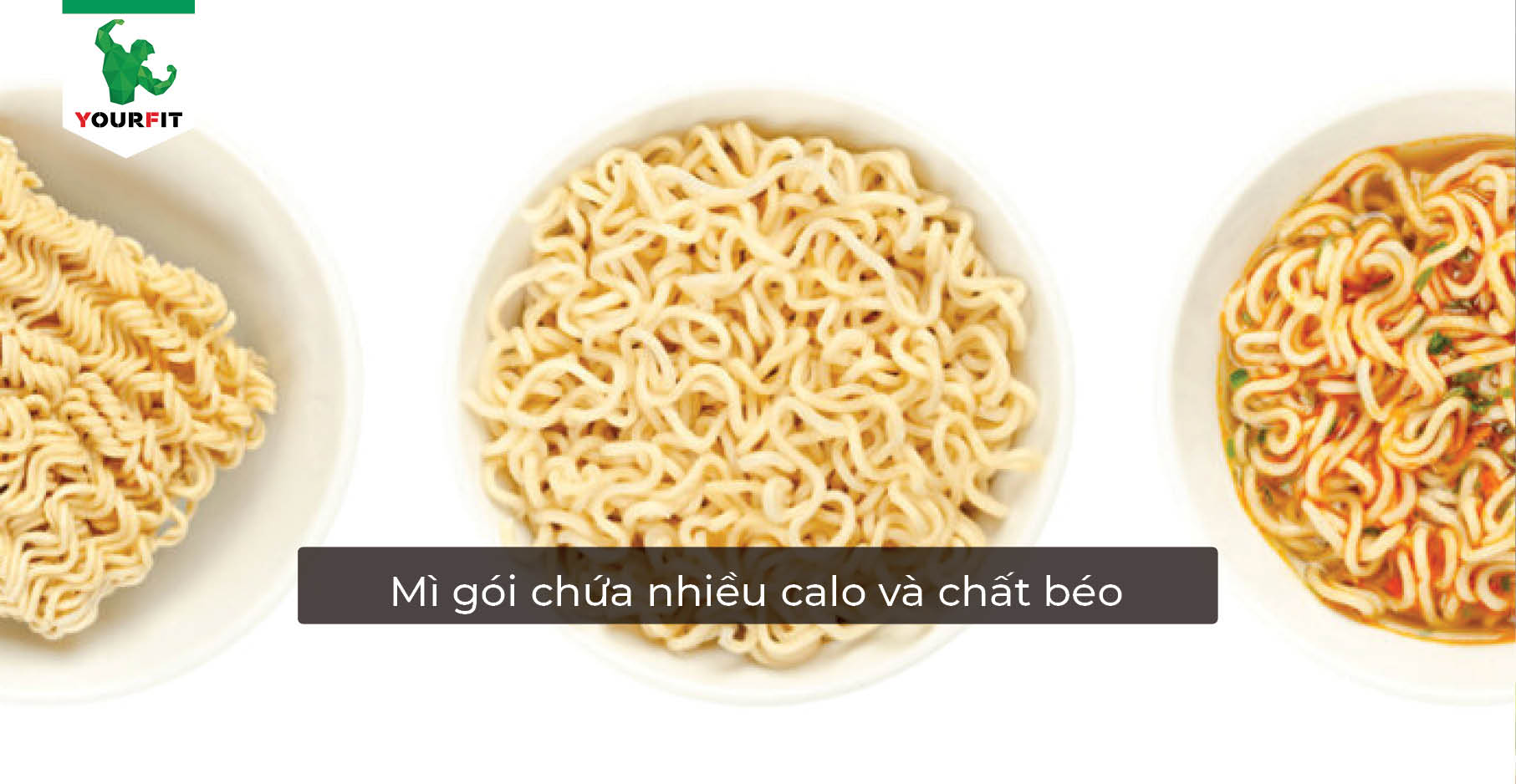
Fried noodle blocks are compact sources of energy. Larger portions and added oils can make the meal considerably more energy-dense.
3.2. Saturated fat
Some products contain appreciable saturated fat from their frying oil. Comparing brands helps you understand what you are choosing.
3.3. Limited protein and fiber
A plain noodle packet may feel less satisfying than a meal that also contains vegetables and protein.
3.4. Sodium
A salty meal can cause temporary fluid retention or a feeling of fullness. That is different from gaining fat, but habitual sodium intake is still worth considering.
3.5. Limited variety
Replacing varied meals with plain noodles too often can leave fewer opportunities to get the nutrients supplied by vegetables, fruit and different protein foods.
4. How to build a better instant-noodle meal
4.1. Adjust the noodle portion
Half to two-thirds of a packet is one option when adding substantial toppings. Choose a quantity that fits your appetite and the rest of the meal.
4.2. Add vegetables and protein
Try spinach, broccoli, carrots or mushrooms. Add lean chicken, fish, beef, tofu or egg to increase protein and make the bowl more varied.
4.3. Use seasoning and oil thoughtfully
Use less of the seasoning or oil sachet if desired. Garlic, onion and chili add flavor, and a lightly seasoned vegetable or skimmed broth lets you control the recipe.
4.4. Vary your carbohydrate sources
If you prefer, replace part of the noodles with a small amount of brown rice or sweet potato. Treat this as a substitution rather than an automatic addition to a full noodle portion.
4.5. Choose a drink
Water is a simple choice alongside the meal. Sweetened soft drinks add energy without changing the nutritional limitations of the noodles.
4.6. Balance the rest of the day
Include protein, vegetables, fruit, whole grains and suitable fats in your other meals. One convenient meal can sit within an otherwise varied routine.
4.7. Maintain regular activity
Choose a sustainable exercise routine. Three or four sessions a week may suit some people, alongside everyday movement, but the appropriate schedule depends on your circumstances.
5. Takeaway
Instant noodles are convenient, and the packet label is your best guide to their calories. Portion choice, vegetables, protein and sensible seasoning can turn a quick bowl into a more balanced meal.
For another noodle option, explore spicy-noodle calories and toppings.