Spicy Noodle Calories: Toppings, Portions and Balance
Find out how noodles, meat, seafood and broth affect spicy-noodle calories, with tips for a satisfying, more balanced bowl.

Spicy noodles combine springy noodles with a bold broth flavored with chili and other seasonings. Mixed-topping versions bring together meat, seafood and vegetables, making the finished bowl much more than just noodles. Here is how its ingredients affect calories and nutritional balance.
How many calories are in a bowl of spicy noodles?
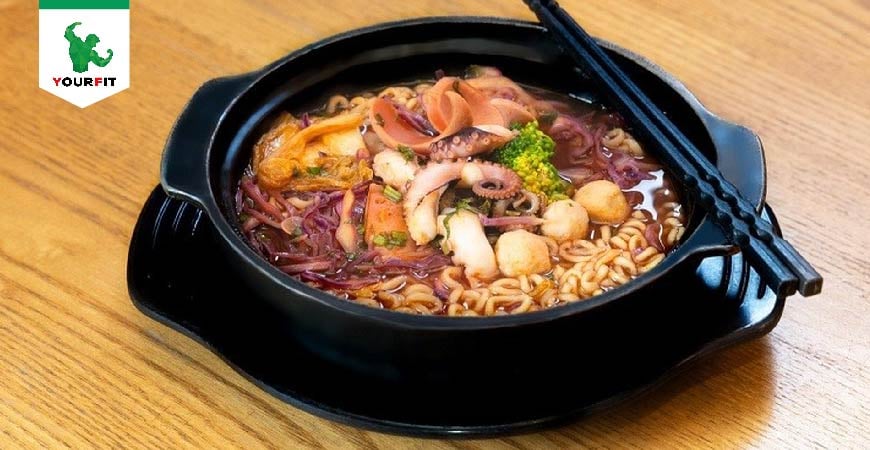
A mixed bowl can contain around 600–900 kcal, depending on the portion and recipe. The following ingredient estimates illustrate where the energy comes from; they are not a standardized recipe.
| Ingredient | Example quantity | Estimated calories |
|---|---|---|
| Noodles | 100–120 g; preparation and water content vary | 200–300 kcal |
| Beef or pork | 50 g | 100–150 kcal |
| Shrimp or squid | 50 g | 40–60 kcal |
| Sausage or fish cake | 50 g | 100–150 kcal |
| Spicy broth | 300–400 ml | 100–200 kcal |
| Vegetables and mushrooms | 100 g | 30–50 kcal |

Noodle type, whether it is weighed dry or prepared, and the oil used all change its energy density. Lean meat differs from pork belly, while processed toppings may add both fat and sodium. Broth calories depend on added oil, sauces and other ingredients; vegetables such as napa cabbage, mushrooms, spring onions and bean sprouts add variety and fiber.
What nutrients can spicy noodles provide?
1. Flavor and digestive comfort
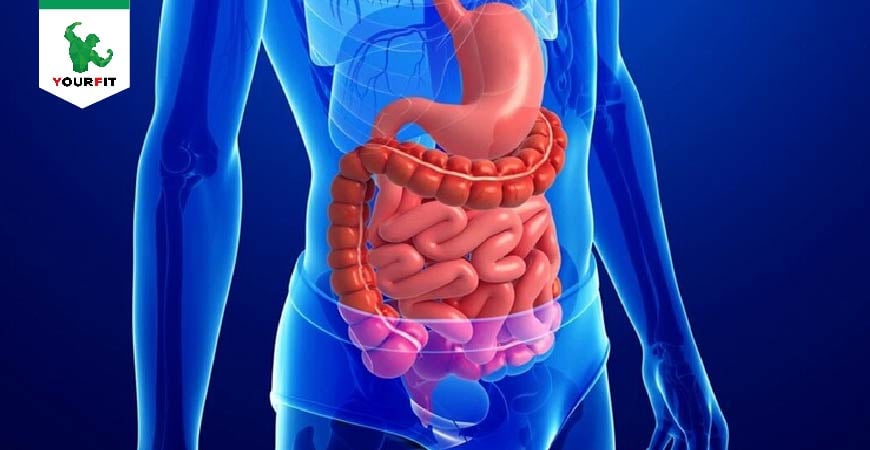
Chili contains capsaicin, which creates its heat. Choose a spice level you enjoy and tolerate; more heat is not a shortcut to weight loss and may worsen digestive discomfort for some people.
2. Energy and protein
Noodles provide carbohydrate for activity. Meat and seafood provide protein used in muscle maintenance and recovery.

3. Plant compounds
Onions, garlic, chili and vegetables add flavor and a range of plant compounds, including antioxidants.

4. Vitamins and minerals
Leafy vegetables contribute vitamins such as A, C and K. Carrots provide beta-carotene, while vegetables and bean sprouts add minerals including potassium and magnesium. The amounts depend on how much produce goes into the bowl.

These ingredients can make the dish varied, but the finished meal may still contain substantial salt, oil and calories.
Can eating spicy noodles often cause weight gain?
Regular large bowls can make it easier to exceed your energy needs. A 600–900 kcal bowl may fit some eating plans but be larger than needed in others. Consider the rest of your day's meals, toppings and drinks.

Salty meals may also cause temporary fluid-related changes on the scale. This is different from gaining body fat. Moderating sodium remains useful for overall health, especially if you have been advised to limit it.
Why can these meals become unbalanced?
1. Large energy portions
Noodles, fatty meat and added oil can combine into a substantial meal. Choosing more toppings does not always make the serving more balanced.
2. Refined noodles
Many noodles contain relatively little fiber. The size of the noodle portion and what you serve with it affect how satisfying the meal feels.
3. High sodium
Seasoning mixes, sauces and processed toppings can contribute a large amount of salt.
4. Too few vegetables
A small garnish does not add as much fiber or variety as a generous serving of vegetables.
5. Eating beyond comfortable fullness
Strong flavors can make a meal especially appealing. Eat at a comfortable pace and notice when you have had enough.
6. Limited dietary variety
Relying on the same noodle meal frequently can crowd out other foods, including fruit, whole grains and different protein sources.
How to build a more balanced spicy-noodle meal
1. Choose a suitable noodle portion
Use a smaller amount of noodles if the usual serving is too large for your appetite or energy needs.
2. Add more vegetables
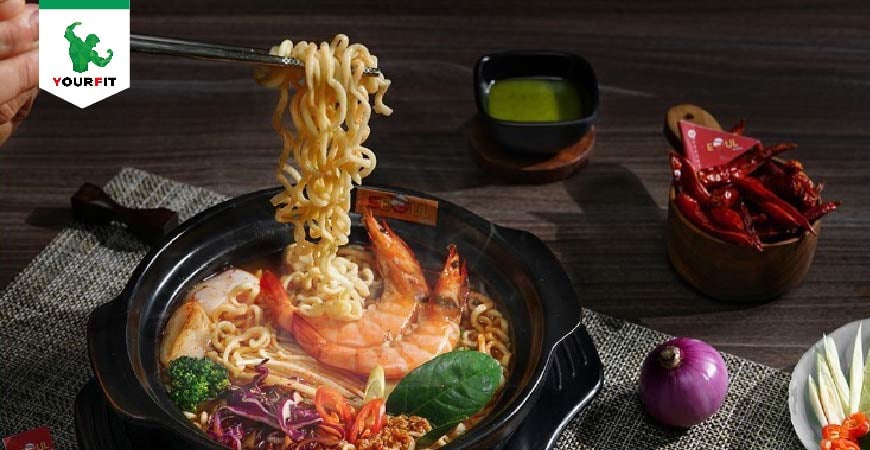
Leafy greens, carrots, mushrooms, broccoli and bean sprouts add texture, fiber and micronutrients.
3. Choose protein thoughtfully
Chicken, fish, shrimp or squid offer alternatives to fatty meat and large amounts of processed toppings.
4. Adjust chili and salt
Use a comfortable level of chili and go lightly on salty seasonings. You do not need to finish every drop of a heavily seasoned broth.
5. Measure added oil
At home, cook vegetables and protein directly in the broth or steam them, and control any oil added to the dish.
6. Stay hydrated
Drink water regularly during the day. Drinking extra water does not cancel a high-sodium meal, but maintaining hydration is a useful everyday habit.
7. Keep moving
A comfortable walk or gentle movement can be a pleasant part of your routine. You do not need to exercise to compensate for one meal.
8. Choose a comfortable mealtime
If large or spicy meals leave you uncomfortable near bedtime, enjoy them earlier. Total intake and regular habits matter more for weight management than a rule against evening noodles.
Takeaway
Spicy noodles can be adapted to your preferences and needs. Balance the noodles with vegetables and protein, choose a comfortable spice level and pay attention to the whole bowl.