Your First Gym Session: A Practical Guide for Women
A welcoming guide for women new to the gym, covering preparation, equipment, a first-session example, recovery and choosing the right coaching support.
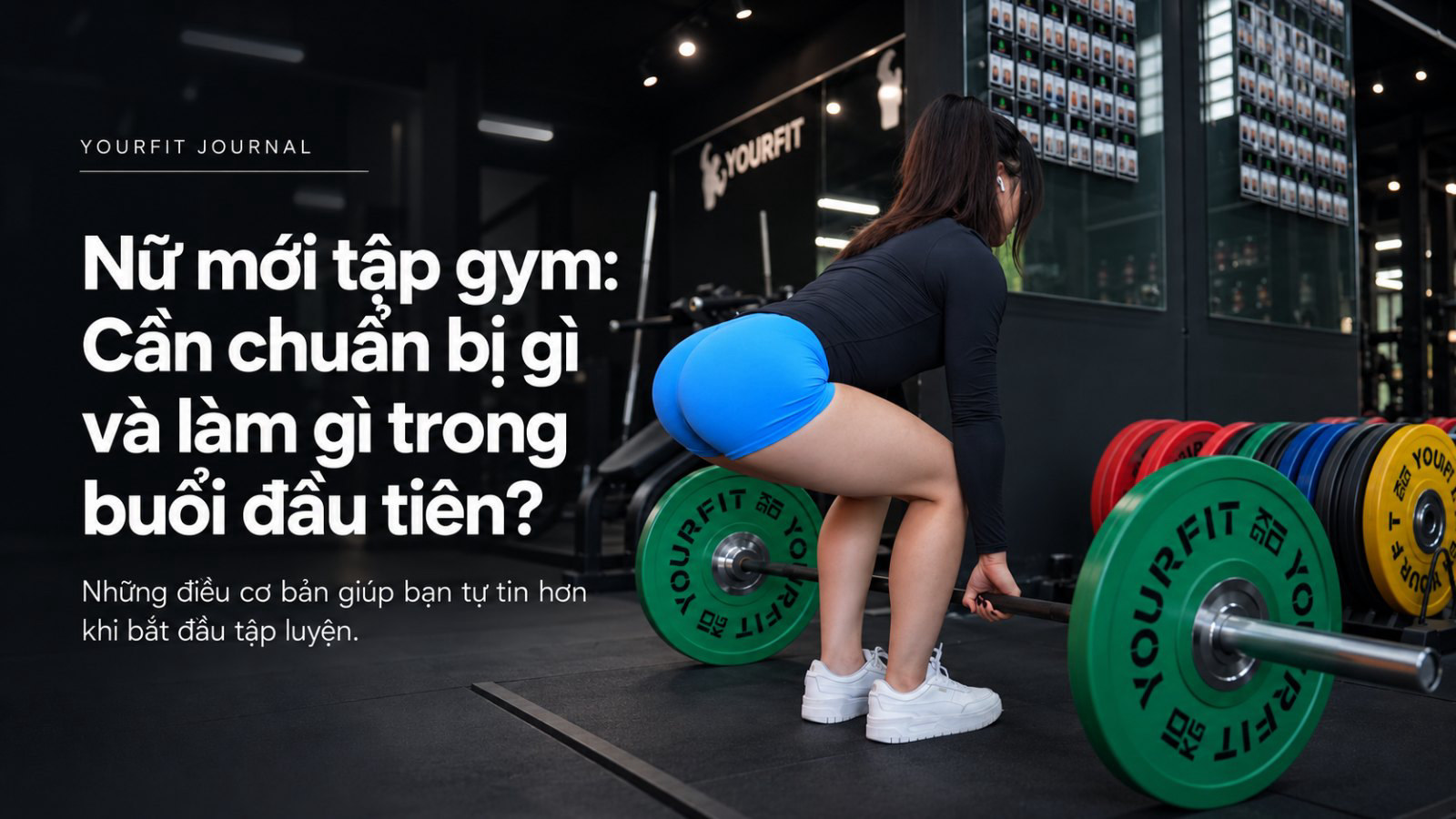
Your first visit to the gym can feel overwhelming. There are machines with unfamiliar settings, rows of weights and people who seem to know exactly what they are doing. Meanwhile, you may simply be trying to work out where to begin.
Many women want to get stronger, improve their body composition or develop a regular activity habit, yet put off starting because they do not know which exercises to choose. Concerns about using equipment incorrectly, being watched or not being fit enough can make the first step feel harder than it needs to be.
You do not need an existing fitness foundation, a knowledge of every exercise name or expensive activewear before you start. A little preparation, a manageable plan and an environment where you feel comfortable asking questions are enough to begin learning.
The first visit does not need to be especially long or demanding. Learning a few equipment settings, practising basic movements and feeling more at ease can make it a worthwhile session. This guide takes you from getting ready at home to planning your next visit.
1. What should you bring to your first gym session?
Specialist shoes, gloves, lifting belts, straps and supplements may have a role in particular circumstances, but most are unnecessary purchases before you know how you will train. Start with the essentials and add equipment later if it serves a clear purpose.
Comfortable clothes that allow you to move
A sports T-shirt with leggings, shorts or other comfortable training clothes is a suitable starting point. Check that you can sit down, hinge forward and reach overhead without feeling restricted. A well-fitting sports bra may make movement more comfortable, especially during brisk walking, running or continuous activity.
There is no requirement to wear fitted clothing if that makes you uncomfortable. Choose an outfit that lets you focus on learning. You are coming to exercise, not to meet an appearance standard.
Suitable footwear
Start with well-fitting sports shoes that offer grip and feel stable for your planned activities. Ordinary running shoes may suit walking and light cardio, while a stable sole is often more convenient for standing strength exercises than a very soft or high platform.
You do not need to buy specialist weightlifting shoes immediately. Learn what type of training you enjoy and what your program requires before making that decision.
Water and personal essentials
A water bottle, training towel and a phone for your program or notes can be useful. Ask the gym which facilities and supplies are available, including changing areas, storage, towels and drinking water. Pack a change of clothes if you have work or another appointment afterwards.
More equipment is not necessarily better preparation. Most importantly, arrive ready to learn. If a machine is unfamiliar, ask how it works. If a coaching cue does not make sense, request another explanation. You do not need to choose the same weight as the person beside you.
2. What should you do when you arrive?
Rather than trying every unfamiliar machine, spend the first few minutes understanding the layout. Ask where to change, refill water, find equipment and return weights, and how to request help. Knowing the space reduces the need to search throughout your workout.
Ask about machine setup instead of guessing
Even a simple-looking machine can require several adjustments. On a lat pulldown, you need to understand the load selector and thigh pad. A chest-press seat changes where the handles sit relative to your body. A leg press requires familiarity with the seat, foot position and safety mechanism.
Do not assume the illustration on the machine answers every setup question. After an explanation, try making the adjustment yourself and ask someone to check. This helps you establish whether you understand it well enough for next time.
Train for your starting point
You do not know how long the person lifting beside you has trained, what their program requires or whether their load would suit you. The first visit is not a comparison test. Learning a few movements, selecting manageable resistance and understanding the equipment are useful achievements.
Choose one initial priority: getting stronger, learning to lift, building muscle, changing body composition or establishing a routine. You do not need to pursue everything immediately. If physique change is your main goal, explore how Body Transformation connects training with habits rather than collecting unrelated workouts online.

3. An example of a first gym session
There is no compulsory first-day workout for all women. Experience, health, confidence and goals differ. For someone without a condition requiring exercise restrictions, the following illustrates a gradual introduction of around 45–60 minutes, including instruction and rest. A shorter visit can be equally appropriate.
| Part of the visit | Illustrative amount |
|---|---|
| Orientation, equipment setup and goal discussion | 5–10 minutes |
| Easy walking or cycling to warm up | 5–10 minutes |
| Leg press or sit-to-stand | 1–2 sets of 8–12 repetitions, if appropriate |
| Squat practice | Optional 1–2 sets of 8–12, depending on the other lower-body work |
| Seated row or lat pulldown | 1–2 sets of 8–12 repetitions, if appropriate |
| Bird dog or dead bug | 1–2 manageable practice sets |
| Easy movement, notes and finish | 5–10 minutes |
This is an example to discuss with an instructor, not a requirement to finish every exercise. Learning one or two machines may use more time than expected. You do not need to perform both lower-body options simply to complete a list.
Lower-body practice: leg press or sit-to-stand
The leg press offers an opportunity to learn foot placement, seat adjustment, movement control and the machine's safety system. If the machine is not appropriate yet, standing up from and returning to a stable chair provides another starting option. The objective is a controlled movement you understand, rather than a heavy load.
A pulling exercise: seated row or lat pulldown
These movements introduce work for the back and arms and require control around the shoulders. Learn a stable position and a manageable pulling motion. Avoid using a weight that forces you to swing or lean dramatically, and return the resistance under control rather than letting the stack drop.
Trunk-control practice: bird dog or dead bug
Depending on your ability, one of these exercises can introduce moving an arm or leg while keeping your trunk controlled. A few well-managed repetitions are enough for a first introduction. Stop the set when you cannot maintain the intended movement rather than forcing a target number.
If you leave having learned three machines and some useful setup cues, the session has served a purpose. Future workouts can build from that foundation.
4. What weight should a beginner use?
There is no correct starting weight in kilograms for every woman. Five kilograms can be easy in one exercise and difficult in another. Machines also differ in leverage and feel, while previous sports experience changes what someone finds manageable.
Begin with a light load or low resistance and practise a few repetitions. Look for a movement you can control without jerking, changing position significantly or guessing what should happen. An instructor can help select and adjust the load.
One way to describe effort is to consider whether you could perform a few more repetitions with similar technique at the end of a set. If ten repetitions leave you feeling capable of another three or four, that may be a manageable introduction. It is an illustration of effort, not a universal rule or a precise test for beginners.
If your position changes substantially after only a few repetitions, reduce the load or ask for guidance. Distinguish working muscles from sharp or unusual pain. Stop an exercise that produces concerning symptoms and seek appropriate help. Starting lightly is part of learning a new skill, not evidence that you are weak.
5. Will lifting weights make you too muscular?
Some women want to feel stronger or change their shape but worry that resistance training will quickly create a physique they do not want. Muscle development takes time and depends on the program, progression, nutrition, recovery and individual factors. Training does not make every woman develop the same appearance.
You do not need to avoid upper-body exercise just because your main goal concerns your hips or legs. Pushing, pulling and trunk exercises can contribute to a balanced strength program and everyday capability. Explain your priorities so the emphasis reflects your preferences.
Be cautious about routines marketed solely as ways to remove fat from the abdomen, thighs or arms. Training the muscles in one area does not guarantee that body fat will decrease specifically there. A sustainable body-composition plan considers the overall program, food intake and regular activity rather than treating one exercise as a targeted fat-loss solution.
Your goals should reflect the body and capabilities you want, not someone else's physique.
6. How often should you train at the beginning?
You do not need to attend every day. Two or three full-body resistance sessions can be a starting point to discuss, adjusted for your experience, schedule, recovery and other sports. Monday, Wednesday and Friday is one example; two consistent appointments may be more realistic if you have been inactive or are busy.
Initial enthusiasm can make six gym days, daily cardio and a complete diet overhaul seem appealing. A plan that is too demanding may become difficult when ordinary work and family responsibilities return. Begin with appointments you can maintain and review the need for additional work later.
Walking, cycling and other suitable lighter activity can also form part of the week. Not every useful activity needs to be a hard gym workout. For more guidance, read how to choose your weekly PT frequency.
7. Eating and recovery in the first few weeks
Starting gym training does not require immediately cutting out rice, avoiding all carbohydrates or skipping dinner. You still need energy for exercise, recovery and daily activities. If your routines are already unsettled, changing everything at once may make consistency harder.
Start with regular meals that suit your schedule, a source of protein such as fish, eggs, dairy, beans or meat, vegetables and fruit, and carbohydrate foods appropriate to your needs. Fat loss involves overall energy balance, but a very restrictive approach can leave you hungry and tired. Eating too little can also make strength training and recovery harder to manage.
Should you eat before training?
You do not need a large meal immediately before exercising, particularly if you have recently eaten or that makes you uncomfortable. If several hours have passed and you are hungry, a familiar snack may help. A banana, yoghurt or some bread are possible options if they suit you. Timing and portions depend on your schedule, health needs and tolerance.
Do you need whey protein?
No. Whey is a convenient protein source, not a prerequisite for starting the gym. If ordinary foods meet your protein needs, supplementation may be unnecessary. Learning exercises, attending regularly and establishing manageable eating habits deserve attention before buying several products.
What about soreness after the first session?
Unfamiliar exercise can cause delayed muscle soreness over the next few days, but soreness is neither inevitable nor a reliable score for workout quality. Not being sore does not mean a session failed, and difficulty walking downstairs is not a goal.
Look at whether you understand the exercises, control them better and can return for the next planned session. Severe pain, marked swelling, unusual weakness or dark urine should not be dismissed as ordinary soreness; stop training and seek prompt medical assessment.
Can you exercise during your period?
There is no requirement for everyone to stop. Some women feel comfortable exercising while others experience pain, fatigue or lower energy. Adjust the load or duration, choose lighter activity or rest according to how you feel. Share relevant symptoms with your coach, and seek medical advice for severe or unusual symptoms rather than pushing through them.
8. What if a busy gym makes you uncomfortable?
Being around unfamiliar people can add to the challenge of learning equipment. Consider a quieter time, attending with a friend or choosing a venue where it feels easy to request help. Some women enjoy a lively mixed gym; others prefer a dedicated women's area, especially while finding their confidence.
Neither preference is better. Look for equipment that meets your needs and an atmosphere that lets you learn comfortably.
Her Zone at YourFit
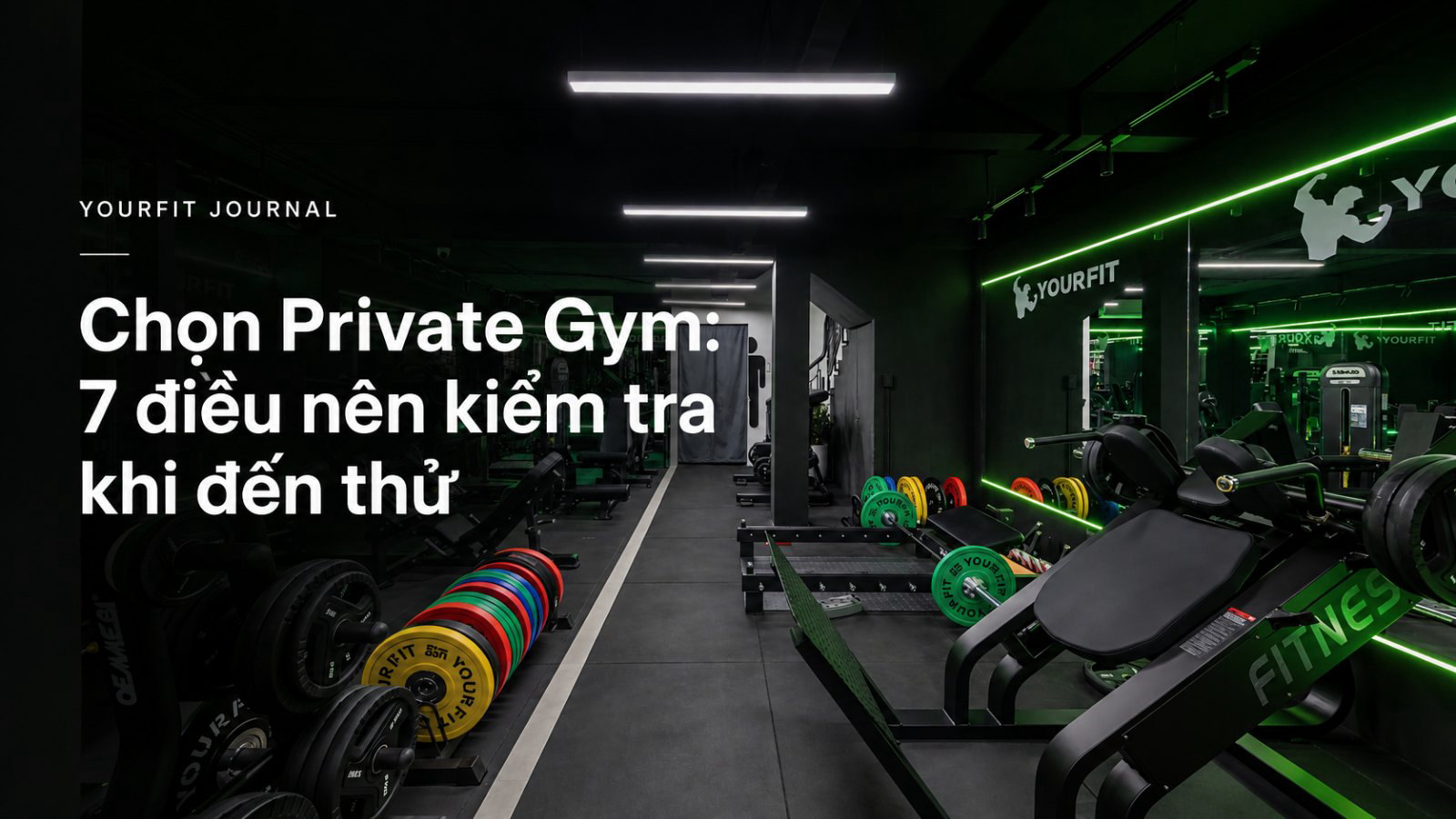
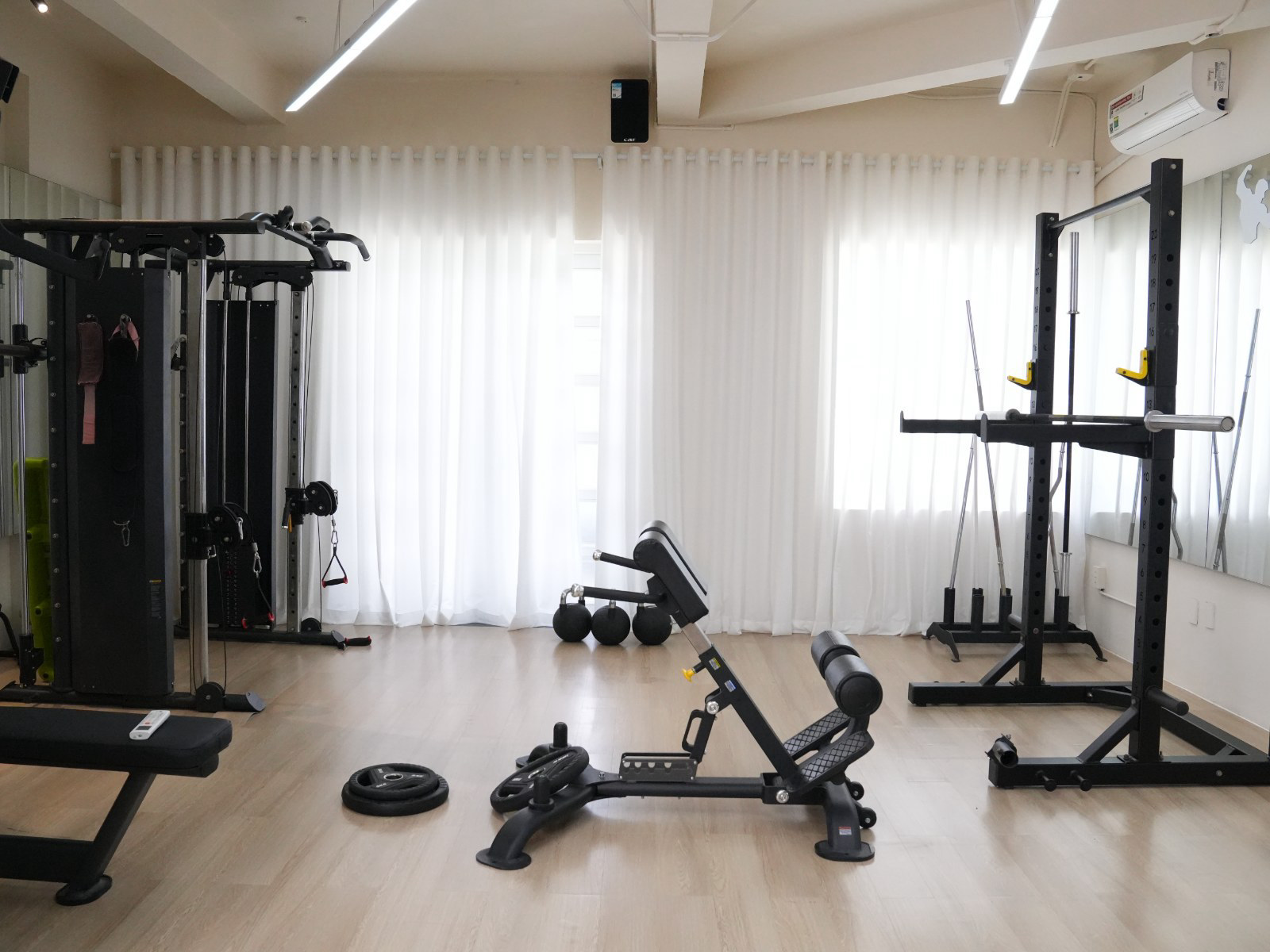
YourFit's fourth-floor Her Zone is a dedicated women's training area alongside three shared training floors. It includes equipment for full-body training, such as a half rack, dumbbells, a bench, Smith and cable equipment, a lat pulldown and lower-body machines.
Women can also use the shared areas according to their program and membership access; they are not restricted to Her Zone. Read about YourFit's women's training space or explore the four training floors before visiting.
Access to a women's area does not automatically include a coached session. If you want ongoing technique supervision, choose a corresponding training service. Visiting at your likely training time is still the most useful way to assess the setting.
9. Do you need a personal trainer immediately?
It is not compulsory. If you understand a suitable program, can use equipment safely and know when to ask for help, independent training may be appropriate. A beginner who needs more support may find that a coach makes the introduction clearer.
A suitable trainer can assess your starting point, select exercises, explain equipment, plan around your actual availability and monitor progress. If you can attend only twice a week, the plan should reflect that, rather than expecting you to follow a six-day schedule. If you feel anxious, a compatible communication style can matter as much as the exercise selection.
Our guide to what one-to-one personal training involves explains the difference in support.
Should you choose a female or male coach?
You can express a preference if it helps you feel comfortable. Also consider expertise, communication and availability. Some clients prefer calm, detailed explanations; others enjoy a more energetic style. Explore YourFit's coach profiles, then discuss what helps you learn.
If you prefer a female coach, mention this when arranging your visit. The specific appointment needs confirmation based on staffing and available times.
Membership, Hybrid, partner training or one-to-one PT?
Membership suits independent training. Hybrid small-group training offers guidance with other participants. Partner Training 1:2 lets two people share a coach and appointment while exercises and loads are adjusted. One-to-one PT gives you the session's coaching attention individually.
YourFit's Hybrid and PT packages include corresponding Membership during their validity, subject to access conditions. Compare the four training formats to understand their differences. Women's Private Training is another relevant option for individualised one-to-one or partner coaching in a women's training setting.
You do not have to buy the largest package first. The right level of support and a workable schedule matter more than an ambitious initial commitment.
10. How do you know the first session went well?
You do not need to leave exhausted. Ask whether you understand a few machines better, can choose a more suitable weight, feel comfortable asking for guidance and know what to do or when to return next time.
Take brief notes afterwards. Record exercise names, weights, machine settings and a cue you tend to forget. For a leg press, that might be the seat position; for a chest press, the seat height; for a row, the handle and a useful setup reminder. A phone note is sufficient. The aim is to avoid relearning everything on your next visit.
Progress also includes consistent attendance, more confident movement and increased independence. These are worth noticing alongside changes in body weight or appearance. A useful first visit makes the next visit easier.
Frequently asked questions
Do I need to lose weight or get fit before joining?
No. Start at a level that suits your current ability. If you have a medical condition, injury or concerning symptoms, seek appropriate advice about the plan before beginning.
How long should the first session last?
Around 45–60 minutes can allow for orientation, instruction, rest and exercise, but there is no minimum you must reach. A shorter visit focused on a few manageable tasks can be worthwhile.
Should I use machines or dumbbells first?
Either may be appropriate. Machines can reduce some balance demands, while dumbbells allow many movement options. Choose according to the exercise, your control and the guidance available rather than committing to only one type.
Can abdominal exercises remove belly fat?
They can train the abdominal muscles, but do not guarantee fat loss specifically from the stomach. Body-composition changes depend on the broader activity and nutrition pattern and individual factors.
What if I am embarrassed to ask for help?
Try a simple request: “This is my first visit. Could you show me how to adjust this machine?” Then make the adjustment yourself and ask for a check. Knowing exactly what you need explained can make the conversation easier.
Is YourFit entirely women-only?
No. Her Zone is the dedicated women's floor at YourFit, 103 Dien Bien Phu, Gia Dinh Ward, Ho Chi Minh City. The other floors are shared spaces that women can also access under their package conditions.
Your first visit does not need to be perfect
Wear something comfortable, take time to understand the space and learn a few manageable movements. Find an environment where you can ask questions and imagine returning regularly. You do not need to know every exercise, lift heavy weights or look a certain way to start.
If you would value individual guidance in a more private setting, explore Women's Private Training at YourFit. Choose the support that helps you leave thinking, “Next time, I will know where to begin.”