Online vs In-Person Personal Training: Which Suits You?
Understand how online and in-person coaching differ, what to compare beyond the price and when a combination of both may suit your training.
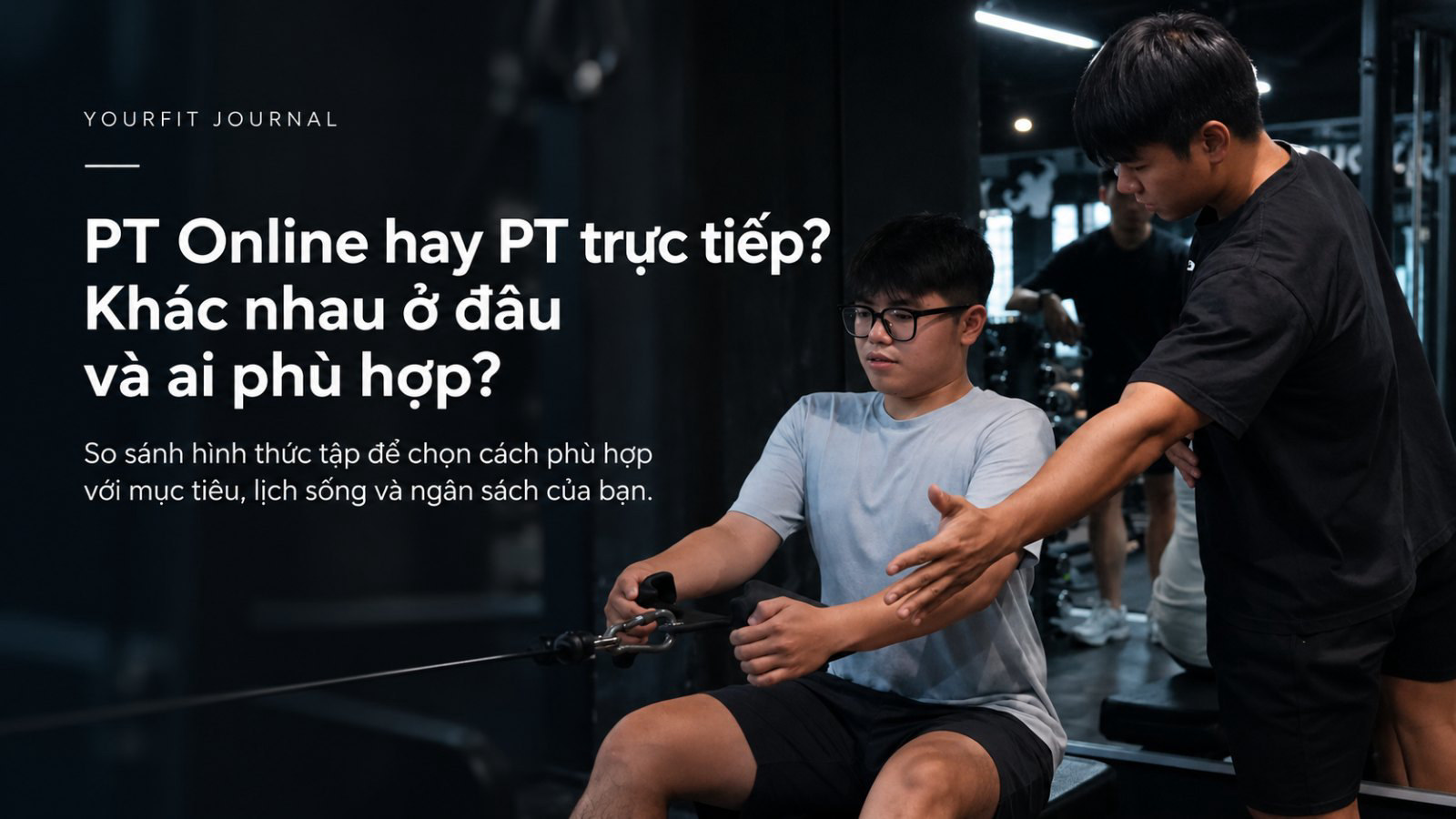
If you are looking for a personal trainer, you may be deciding between remote coaching and working with a coach at the gym. Online personal training can offer flexibility in location, timing and how your program is monitored. In-person training gives you someone alongside you to explain exercises, help with equipment and adjust the session as it happens.
Both formats can support improvements in strength, fitness and body composition when the program is appropriate, consistently followed and reviewed. The distinction goes beyond whether your coach is on a screen or standing beside you. What matters is the support you need, how you prefer to communicate and how independently you can carry out the plan.
An experienced gym-goer who understands the exercises and manages their own workouts may feel comfortable with online coaching. Someone learning unfamiliar equipment or a specific technical skill may prefer immediate guidance. This guide compares the practical differences so you can choose a format that fits your life, rather than assuming one is better for everyone.
1. What does online personal training involve?
Online personal training allows the coach and client to work from different locations. Depending on the service, your coach discusses goals, exercise experience, relevant health information and available equipment, then develops and reviews the program through an app, messages, training logs, video or calls.
Not all online services work the same way. Personalisation, contact frequency and the way the coach responds to your training can vary considerably.
Programs supported by a training log
Your coach designs a plan around your goals and equipment. You complete the workouts at suitable times and record weights, sets, repetitions and feedback. The coach uses that information to review progress and update the plan at agreed intervals.
This may suit someone who is reasonably familiar with equipment and enjoys training independently but wants help with programming instead of making every decision alone.
Coaching with video technique feedback
Some services include reviewing clips of selected exercises. You might film a squat or deadlift from an agreed angle so your coach can observe the movement and suggest changes for the next attempt or session.
Useful feedback depends on a clear recording, an appropriate camera position and an agreed process. Ask which exercises to film, how many clips are included and when feedback normally arrives. Sending a video does not automatically mean you will receive a response before your next workout.
Live video sessions
Other coaches work through scheduled video calls, watching and guiding you as you exercise. This allows immediate conversation without sharing a physical location, but it still requires a mutually suitable time, a stable connection and a camera setup that shows the relevant movement.
Online coaching should therefore not be reduced to receiving a generic exercise file. Remote programs can include assessment, technique guidance, progress reviews and appropriate support with habits. Before comparing prices, establish exactly what support the service includes.
2. What makes in-person personal training different?
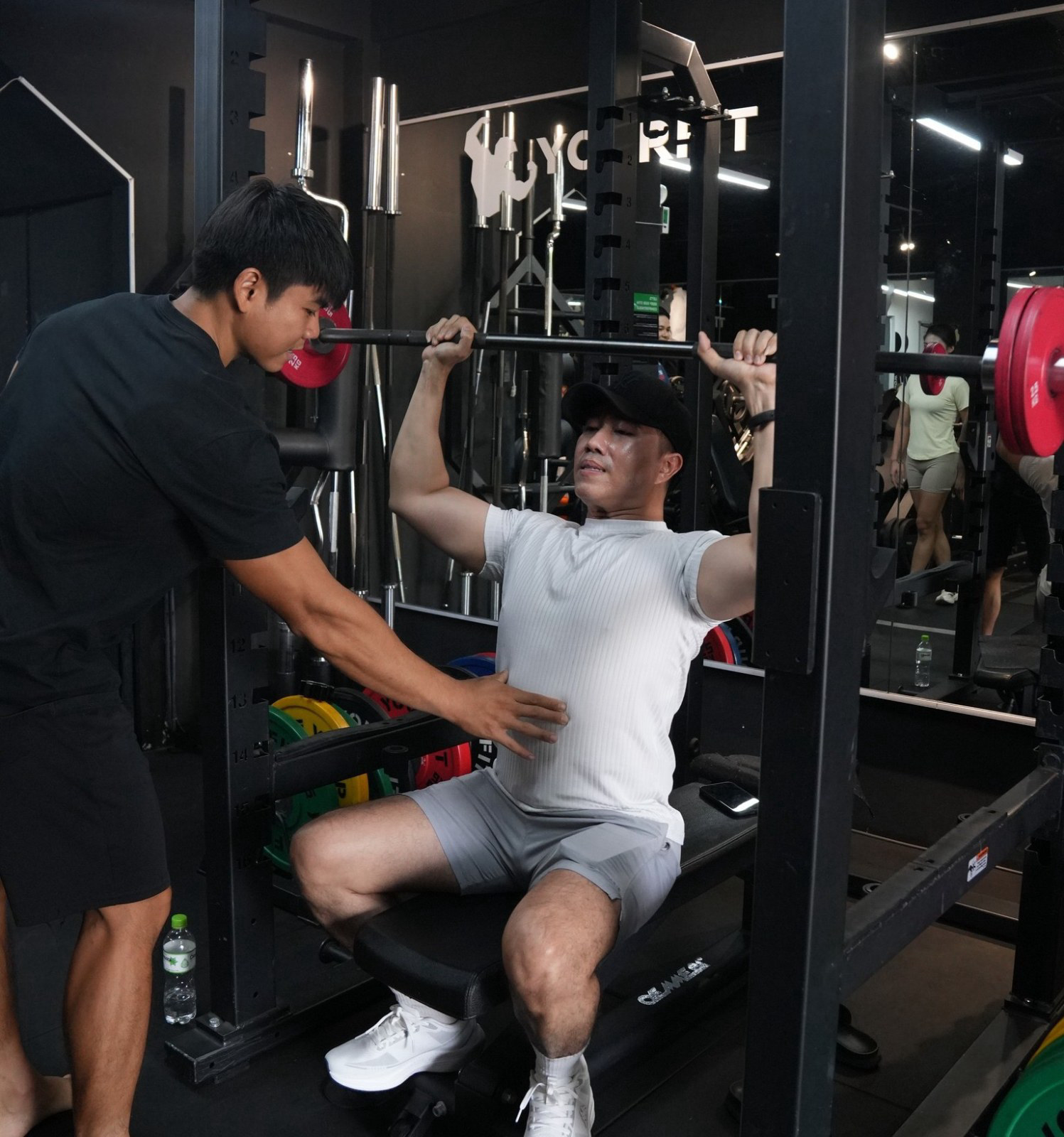
With in-person PT, you and your coach attend an agreed location together. Your coach can observe from different positions, demonstrate movements, help adjust equipment and offer feedback during the exercise.
If you do not know how to set the seat on a chest press, the coach can explain it at the machine. If you are learning to squat, you can try a change and receive another observation immediately. There is no need to record a clip first or wait for the next scheduled review.
Being physically present does not automatically guarantee good coaching, however. Relevant expertise, communication, program design and progress monitoring remain essential.
| Consideration | Online coaching | In-person coaching |
|---|---|---|
| Location | Flexible within your available training environment | An agreed gym or training location |
| Technique feedback | Recordings, calls or post-session feedback | Observation and guidance at the equipment |
| Schedule | Self-directed or appointment-based, depending on the service | Usually scheduled appointments |
| Equipment | Program based on the equipment you can access | Coach and client work with the equipment at the venue |
| Progress monitoring | Logs, video, apps and check-ins | Direct observation combined with records and reviews |
| Cost | Depends on service scope and contact | Depends on appointments, venue and included access |
Neither format leads on every point. Consider how these differences would affect an ordinary training week for you.
3. Four factors that matter when choosing
Learning and changing technique
Learning a movement involves several tasks at once: understanding your position, controlling the range, managing the weight and operating the equipment. Online explanations, demonstrations and recorded feedback can help if you can film clearly and apply the advice independently.
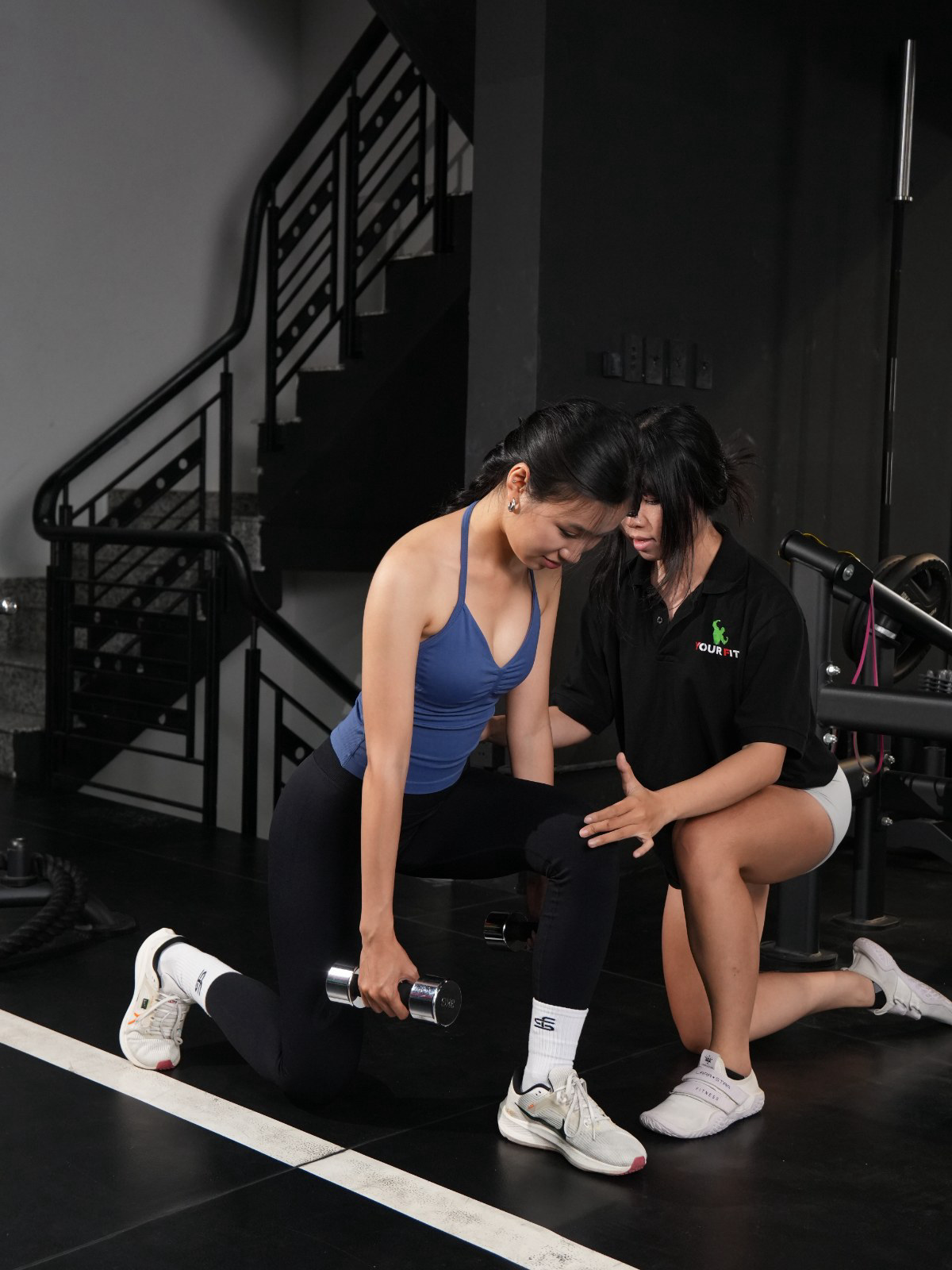
In person, the coach can more easily move around you, adjust the explanation and observe another attempt straight away. The difference is largely how and when feedback happens, rather than whether remote coaching can address technique at all.
If you already train confidently, can record useful videos and understand how to implement a cue, remote support may be enough. If you are unsure how to adjust machines or frequently cannot tell what an instruction means, some in-person guidance may make the introduction easier.
Maintaining a workable schedule
An online program with logged workouts can let you decide when to train. This may be helpful for travel, shift work or changing locations. It also means you must organise the sessions and complete the agreed reporting yourself.
An in-person appointment provides a specific time and place. For someone who often postpones self-directed workouts, that structure may help. But if you repeatedly cancel or reschedule, the arrangement can become frustrating.
Think about your actual habits. Do you follow through more easily when someone expects you at a fixed time, or when you can choose your own window and report afterwards? Live online appointments also require schedule coordination, so check which model you are comparing.
Equipment and training environment
At home, you might have a mat, bands and a few weights. In a commercial gym, you may have more equipment but occasionally need alternatives when machines are occupied. An online coach needs an accurate picture of those conditions and a process for adjusting when they change.
With in-person PT, both of you can see the available equipment, making immediate substitutions and setup changes easier. Still, the environment depends on the venue, not just the coaching format. A well-equipped gym can be inconvenient if your planned exercises are difficult to access at your usual time.
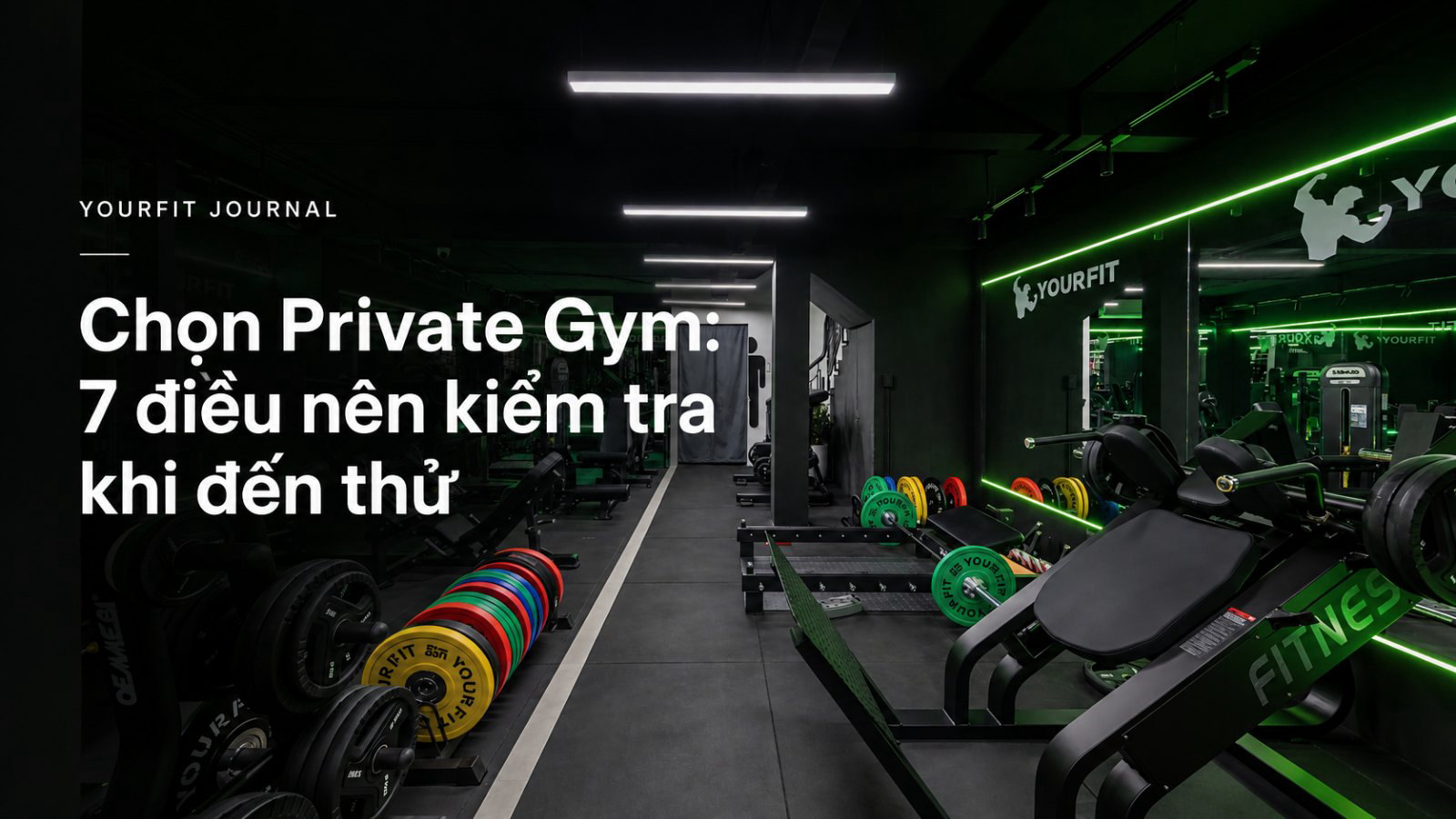
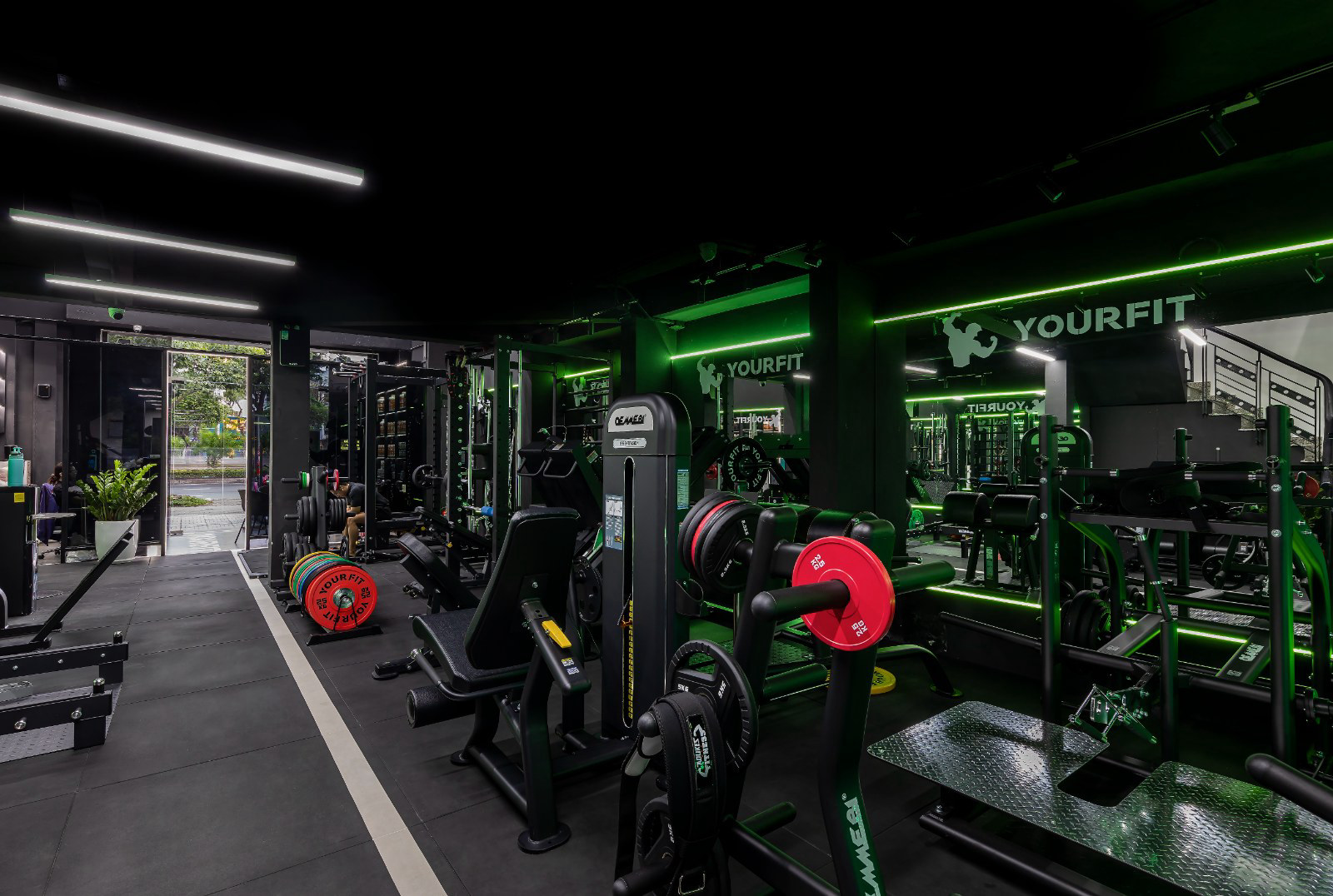
YourFit's training spaces include Lower Strength, Upper Strength, Hybrid Performance and Her Zone. Looking at the equipment and visiting in person helps you assess whether the environment suits your plan. A suitable space is a practical advantage, not proof that every in-person service is better than online coaching.
Reviewing and adjusting progress
A program should do more than tell you what to train today. It should help establish whether you are progressing and what needs changing. Online coaches may use weights, repetitions, video, perceived effort and attendance to make decisions. In-person coaches have direct observations as well as similar records.
Do not assume either format has a better review process. Ask about reassessment, feedback frequency, program changes and what happens when work or travel disrupts the plan. These details influence the experience regardless of where the coach sits.
4. Which format fits your current needs?
If you are completely new to the gym
You may need to learn equipment setup, basic movements and how to choose a load. A few supervised sessions can make those tasks easier to understand. If you prefer to begin online, look for a service specifically equipped to teach beginners, with clear demonstrations and a reliable way to ask for help.
Experience labels alone are not enough. The useful question is whether the program addresses the skills and knowledge you currently lack.
If you have trained for a while but stopped progressing
You might know the exercises yet be unsure how to progress loads, distribute work or evaluate results. In that case, you may need a program review more than basic machine instruction. A structured online service can meet that need, while an in-person assessment may be useful for observing key movements.
If the cause of the plateau is unclear, an assessment can help you decide what support to buy rather than committing immediately to a long package.
If you travel often or work irregular hours
Remote programming can be convenient when you use different gyms and cannot keep fixed appointments. You still need to check available equipment and agree on substitutions when the setting changes.
If travel is occasional and you usually live in one place, in-person coaching combined with planned independent sessions may also work. Flexibility does not always require replacing the entire coaching arrangement.
If you struggle to train alone
Some people have enough knowledge but postpone sessions without a scheduled appointment. In-person PT may provide useful structure. Online coaching can also support consistency through agreed reporting and regular reviews. Choose the interaction you are most likely to maintain rather than the one that sounds most disciplined in theory.
5. Compare the full cost, not just the headline rate
A monthly online fee and the price of one in-person appointment do not necessarily represent comparable support. One online package may include individual programming, regular video analysis and scheduled calls; another may provide less interaction for someone who mainly needs a plan.
In-person services also differ. Some charge separately for coaching and gym access, while others include Membership. Compare options over the same period, such as one or three months, and identify the total coaching fee, contact frequency, access, expiry, rescheduling rules and additional charges.
If you use online coaching at a gym, the overall cost may include both the coaching fee and Membership. If you already hold that membership, it is not necessarily a new cost caused by choosing remote coaching. Likewise, establish whether an in-person package includes independent access or whether that is extra.
How YourFit's PT benefits work
Personal Training 1:1 and Partner Training 1:2 include corresponding Membership during the package's validity, subject to access conditions. This allows agreed independent sessions outside your coached appointments without buying a separate membership for that included access.
For example, a plan with two coached appointments might include familiar supporting exercises or cardio on another day. Published PT benefits also include parking, training towels and a protein shake and snack after PT, under the current terms. One-to-one PT starts from VND 405,000 per session, with the exact rate depending on the program and package.
Confirm the total price and applicable benefits before registering. A longer list of inclusions does not automatically make a package better value if you rarely use them. If your location changes frequently, the flexibility of remote support may matter more.
6. Can you combine online and in-person coaching?
Yes, provided the roles are clear. You do not have to use one format throughout your training life. Your needs may change as you learn or adopt a new goal.
Begin in person, then become more independent
A beginner might first learn exercises and equipment with a coach, then complete more sessions independently. Remote programming could later support planning and progress reviews. This does not mean in-person PT is useful only at the beginning: experienced trainees may return to detailed coaching for a new technical goal.
Add a focused in-person assessment to an online program
You do not need to abandon a successful online coaching relationship simply to receive local guidance. You might need help with unfamiliar machines after joining a new gym, or want a coach to observe a new movement in person.
If two coaches are involved, agree who manages the overall program, who provides specific technical input and how information will be shared. Two overlapping plans can create confusion about workload and recovery.
Adjust support as your needs change
Coaching should help you understand training and take increasing responsibility. You might begin with one-to-one PT and later use a small group, independent Membership or remote guidance. Compare YourFit's training formats to understand the different levels of support available in the gym.
These examples describe possible coaching arrangements generally; they do not mean YourFit currently sells a standalone online PT package.
7. Should you try in-person coaching before a long commitment?
If your online coach already suits you, you are progressing and communication works well, there is no obligation to change. If you remain unsure, especially if you have never trained with a coach in person, a trial can provide information that a website cannot.
Notice how the coach explains movements, responds to feedback and organises the workout. Consider the equipment and atmosphere too. Does an immediate demonstration help you understand? Do you feel comfortable asking questions? Can you maintain the appointment time?
Even discovering that you prefer greater independence is useful. A trial is an opportunity to understand the fit, not a reason to commit before you are ready.
Three complimentary PT trial sessions at YourFit
YourFit currently offers new clients three complimentary personal training trial sessions. Your coach discusses goals, explores your movement background and introduces appropriate exercises so you can experience the approach.
Explore the coaching team and explain the expertise and communication style you prefer. Appointments must be confirmed according to availability. After the trial, the team may suggest a program, but you are not required to purchase a package.
Frequently asked questions
Can online personal training work?
It can support progress when the plan is suitable, followed consistently and reviewed appropriately. Outcomes also depend on coaching quality, training experience, nutrition and recovery. Location alone is not a sufficient measure of effectiveness.
Can a beginner start with online PT?
Yes, if the service provides appropriate beginner instruction and the person can exercise safely in their setting. If equipment and movements are still confusing, direct guidance may be a useful first step.
Can an online coach correct technique?
A coach can review video or give feedback during a live call. Clear camera angles, sufficient visibility and an effective exchange matter. In person, the coach can change viewing angles and explain directly at the equipment more easily.
Is online coaching always cheaper?
No. Scope, contact frequency and included services vary. Account for any gym access you need and compare equivalent periods of support rather than a monthly fee with one appointment.
Can experienced lifters still benefit from in-person PT?
Yes. They may want a technical assessment, detailed feedback on a new lift or preparation for a specific goal. Years of experience alone do not determine the right format.
Can I follow my online coach's program at YourFit?
YourFit offers Membership for independent training, without requiring you to hire a YourFit PT. Use the equipment within your package access and the gym's rules. Independent training does not itself authorise an outside coach to conduct sessions on site.
Do YourFit PT clients need to buy separate Membership?
The published one-to-one and partner packages include corresponding Membership for their validity period, subject to access terms. Confirm the details of your chosen package before registering.
Does YourFit offer online personal training?
Its publicly listed services focus on independent Membership, Hybrid Training in groups of up to four, one-to-one PT and partner training at the gym. Communication or progress follow-up outside appointments does not automatically constitute a separate online coaching service.
Do the complimentary trials require a package purchase?
No. They are for new clients exploring the coaching approach, with appointments confirmed in advance. You can decide whether to continue after the experience.
Choose the support you can use consistently
Online coaching offers flexibility in location and program communication. In-person training offers guidance at the equipment and a clear appointment structure. They can serve different needs at different stages, and neither format removes the need for thoughtful programming and consistent practice.
If you are considering remote coaching but remain unsure about independent training, an in-person trial may help you understand the support you need. Explore YourFit's PT trial and package information before deciding on a longer commitment.