What Happens in a One-to-One Personal Training Session?
A practical guide to a one-to-one personal training session: the initial conversation, movement assessment, workout, feedback and next steps.
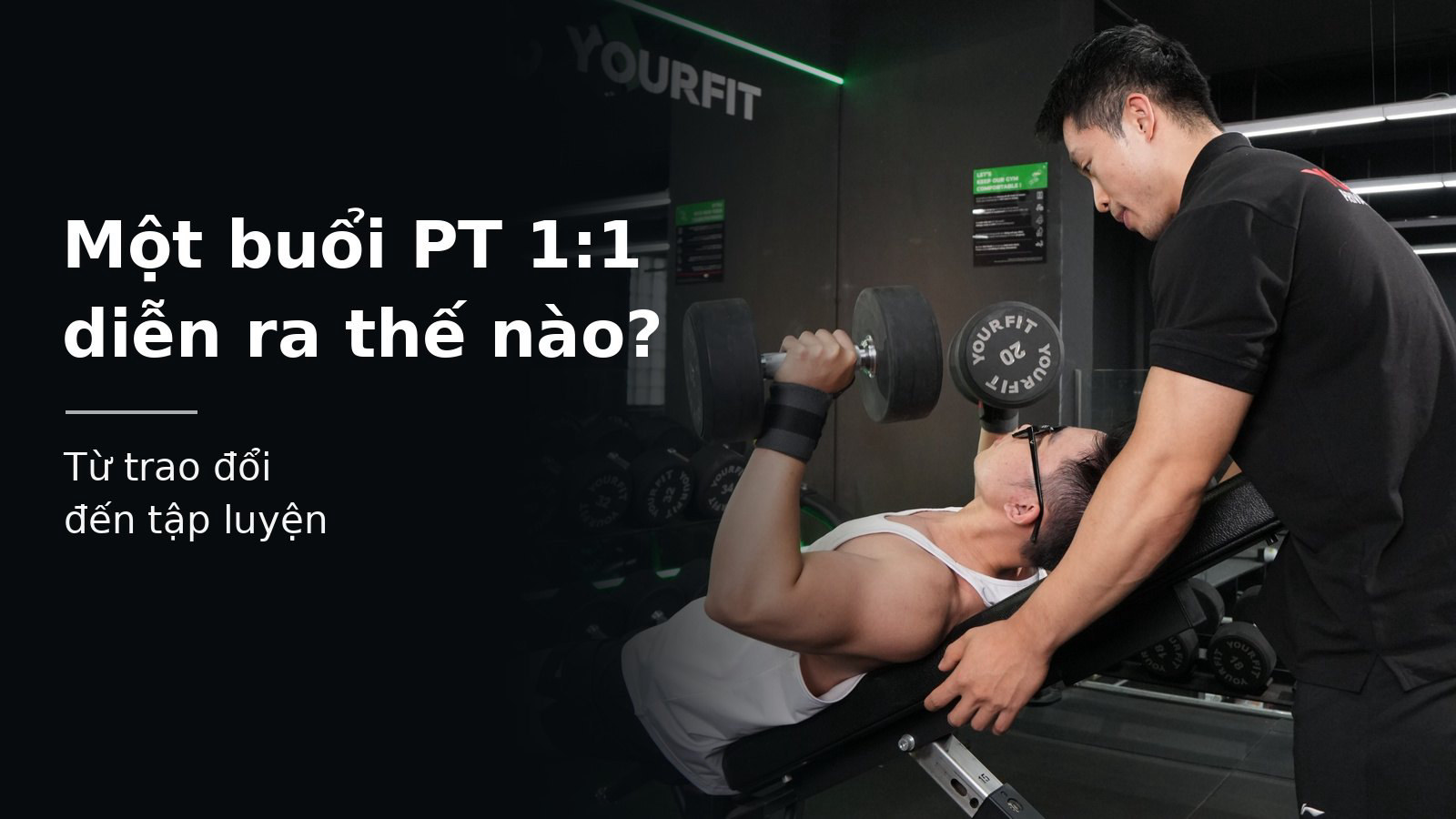
A one-to-one personal training session usually has four parts: a brief check-in, a relevant warm-up, the planned workout and a review before you leave. At YourFit, a session typically lasts around 60 minutes, with the time spent on each part adjusted to your goals, experience and how you are moving that day.
If you have never worked with a personal trainer, it is natural to wonder how hard the first workout will be, whether you should already know how to use the equipment or whether you are fit enough to keep up. You do not need to arrive with those skills. The first appointment is an opportunity for your coach to understand your starting point and help you learn an appropriate way to train.
What matters is how you are coached, why the exercises are selected and how today's session informs the next one. For a broader introduction, read our guide to personal training in Ho Chi Minh City. Here, we look more closely at what happens before, during and after a session.
Before your first session: goals need to fit your life
The first appointment often includes more conversation and assessment than later sessions. Your coach needs to know whether you want to change your body composition, build strength, return after a break or support another sport. These goals are a starting point, but they must sit alongside the time and energy you can realistically commit.
Two people seeking fat loss may need very different schedules. One works near the gym and has three dependable evenings available; the other travels regularly and can commit to only two weekly appointments. A program based solely on their shared physique goal would miss an important difference. Working hours, travel, eating habits and other sports can all influence the training plan.
Explain what has made exercise difficult to maintain in the past. Perhaps you forget exercises when training alone, struggle to choose weights, feel uncomfortable in busy gyms or dislike being pushed too aggressively. These details help your coach understand both the practical support and communication style you need. You might prefer step-by-step instructions, an explanation before each exercise or a calmer pace while learning.
You can explore YourFit's coaching team before your visit. A profile is useful background, while a conversation and trial session help both of you assess the working relationship.
What does the initial assessment involve?
An assessment helps your coach choose an appropriate starting point. Depending on your goals, it may include simple movements such as sitting down and standing up, hinging at the hips, pushing, pulling or keeping your trunk steady. Your coach observes your movement, asks how it feels and selects a suitable next step.
You are not expected to perform everything perfectly on your first attempt. An unfamiliar movement can be demonstrated, broken into smaller steps or replaced with a more accessible variation. Before adding weight to a lower-body exercise, for example, you might spend time finding a comfortable stance and learning to control the movement. The purpose is to understand what you can currently do and what needs more practice.
For physique goals, body weight, measurements or progress photographs may be discussed. For strength or sporting goals, exercise performance and your current activity schedule may be more useful. The information collected should serve your goal, rather than follow an identical checklist for every client.
Tell your coach about existing pain, injuries and any relevant medical advice before training. A gym-based movement assessment informs exercise selection; it does not replace medical diagnosis or treatment. Some concerns need assessment by an appropriate healthcare professional before training progresses.

How is a 60-minute PT session organised?
After the introductory stage, sessions usually settle into a recognisable rhythm. The following example shows how the time might be used, rather than a fixed timetable every client must follow.
| Part of the session | Illustrative timing | Main purpose |
|---|---|---|
| Check-in | Minutes 0–5 | Discuss readiness, the previous session and today's focus |
| Movement preparation | Minutes 5–10 | Warm up, rehearse movements and introduce load |
| Main workout | Minutes 10–55 | Complete exercises, rest between sets and receive feedback |
| Review | Minutes 55–60 | Record the session and agree on the next steps |
Learning a movement may require more coaching time. Preparation sets may also take place before individual exercises, rather than all warming up being finished after five minutes. The structure should support the quality of your training and your ability that day.
Check-in: how are you feeling today?
Your coach may ask about energy, sleep, your response to the last workout and recent activities. This conversation can be short, but it needs to identify anything relevant. Mention an unusually long tennis session, a recent work trip or a new area of discomfort at the beginning.
You do not have to present yourself as ready for your hardest workout every time. Specific feedback gives your coach a reason to keep the plan, adjust the load or spend longer checking an exercise. Individualised training needs to respond to what is happening now, as well as what was planned last week.
This is also a good time to ask about the session's purpose. Are you practising technique, progressing familiar exercises or adjusting after a demanding week? Understanding the focus makes it easier to engage with the workout.
Warm-up: prepare for the exercises ahead
Preparation should relate to the session. It may include light activity, movement rehearsal and lighter sets before working weights. During these sets, your coach can check the machine settings, your position and your control of the movement.
Before a chest press, for example, a beginner may need help adjusting the seat, positioning their hands and starting the exercise. Once the setup makes sense, a few practice repetitions allow the coach to observe before deciding on the next load. This is more manageable than trying to understand an unfamiliar machine while using a challenging weight.
The warm-up does not need to be identical every day. Ask what a particular preparation exercise is helping you practise. The explanation should be clear enough to remember when you eventually train independently.
Main workout: exercise, observation, rest and adjustment
This takes the largest share of the session. Your coach organises exercises, sets, repetitions, weights and rest periods within the program, while observing your response. Guidance continues beyond the first demonstration, especially if your position or control changes as you become tired.
For beginners, cues should be specific and manageable. Trying to remember foot position, trunk control and the weight's movement all at once can be confusing. It often helps to address one priority, practise again and add another instruction once the first makes sense. Tell your coach when an explanation is unclear or another demonstration would help.
Rest between sets is part of training. Your coach can use it to ask how the set felt, clarify a cue or prepare equipment. There is no need to fill every pause with another exercise simply to make the session look busy. The useful question is whether you are ready to perform the next set as intended.
If an exercise does not suit you, the load, range of motion or variation can change. Do not force yourself to finish at any cost when you have pain or cannot control the movement. A reasoned adjustment is part of managing the workout around your current ability.
Final review: understand what happened and what comes next
The last few minutes connect today's work with the longer program. Your coach may record weights, repetitions, technique improvements and points to revisit. Any independent training or activity before your next appointment should be explained clearly enough for you to carry out.
Leave with something concrete to remember: a machine setting you can now manage, a movement you control better or a reason to keep practising with the same weight. These observations make progress visible even before your appearance or body weight changes.
If you notice a different response later, record it and share it through the communication method you have agreed on. Relevant feedback should inform the following session, even if not everything needs to be reviewed immediately.
Why do some exercises repeat across several sessions?
Repeating an exercise creates opportunities to practise and compare performance. If every session has an entirely new list, it becomes harder to tell whether your skill is improving or you are simply learning another movement.
For example, you may use the same weight on a pulling exercise but need fewer reminders to set up and complete it consistently. That is useful progress even without a higher number on the machine. Your coach can then decide whether to consolidate the technique, add repetitions within the planned range or adjust the weight.
Progression should reflect movement quality and the program. There is no requirement to lift more at every appointment. Sometimes maintaining the load is appropriate; sometimes reducing it helps you practise a specific detail. Ask, “What are we trying to improve in this exercise today?”
Exercises can still change when your goals change, equipment is unavailable or a variation is unsuitable. A clear reason and a way to continue monitoring progress keep the plan both flexible and consistent.
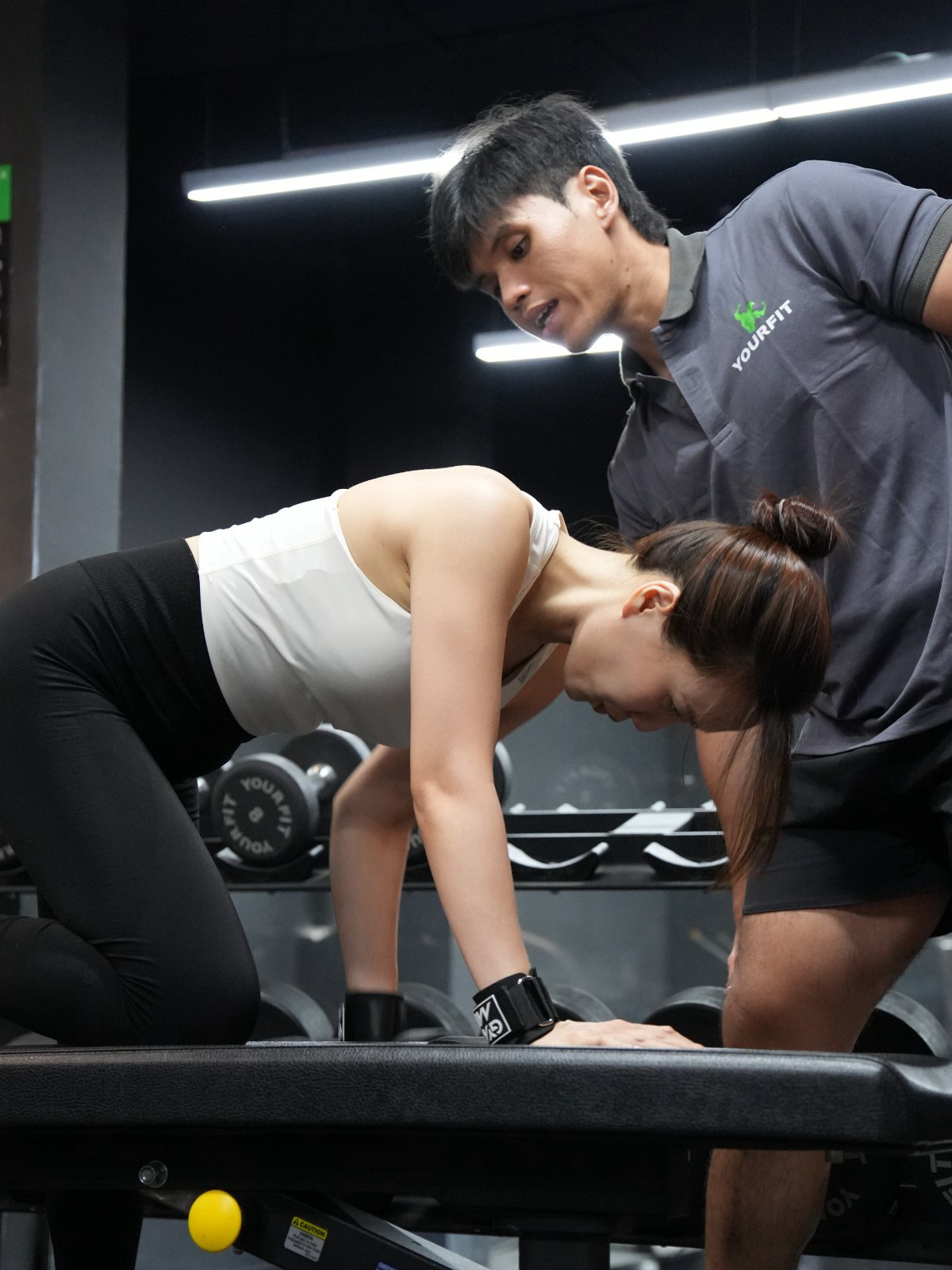
How does the session change with your goal?
Two one-to-one sessions can look quite different. They may share exercises while using different loads, rest periods and measures of progress.
For a change in body composition, the workout belongs within a plan that considers life outside the gym. Your coach may review daily activity, eating habits and barriers to consistency instead of simply adding exercises to the hour. Body Transformation at YourFit connects training with the habits that support fat-loss and muscle-building goals.
For strength and technique, more time may go into setting up, executing and progressing key lifts. A session with fewer exercises can still have a clear purpose. Strength & Technique Training addresses this need for both beginners and experienced lifters reviewing their approach.
For sport, your running, tennis or pickleball schedule needs to be considered alongside gym work, particularly around demanding sessions and competitions. Sports Performance develops physical capacity in the gym; sport-specific technique and tactics remain the role of the relevant sports coach.
For movement confidence and control, more time may be spent learning movements and choosing suitable ranges. Posture & Mobility is another possible starting point, with exercise decisions based on an individual assessment rather than a standard routine for everyone who sits at a desk.
These differences explain why the person training beside you is not a useful benchmark for your own session. Both programs may be appropriate despite different weights, exercise counts and rest periods.
What should happen between PT sessions?
Your workout should be recorded well enough for the coach to know what you completed, how you responded and what may need changing. If every appointment begins by guessing the previous weights or reconstructing your history, it is difficult to see continuity.
Depending on your goals and agreed support, you may receive familiar exercises to practise, cardio or other suitable activity. Extra work should have a clear place in the week. If you do not feel confident doing something alone, ask for another demonstration or an alternative.
YourFit PT packages include corresponding Membership during the package's validity, subject to the applicable access conditions. This can support agreed independent training outside coached appointments. It does not mean every free day needs another workout; the schedule still needs to fit the whole program.
Clarify communication between appointments and when progress will be reviewed. A simple agreement about what to report, when to expect feedback and what to discuss at the next session helps both sides work together.
How can you tell whether a PT session suits you?
After a trial, ask whether you understood the session's purpose, felt comfortable asking questions and received guidance you could apply. Feeling tired is only one response to exercise, not a complete measure of coaching quality. A demanding workout may be appropriate, but so may a technical session or a lighter day when recovery is limited.
Look for explanations connected to your needs. Did the coach notice when you were struggling? Could you ask for clarification without feeling embarrassed? Were changes made for a clear reason? You should gradually understand your training rather than depend entirely on being told what to do.
Before the first visit, bring comfortable training clothes, suitable shoes and water, and confirm any other essentials with the gym. Share relevant health information and your actual availability. You do not need to memorise exercise names or prove your fitness beforehand. Our beginner's guide to the gym offers further context for building these skills.
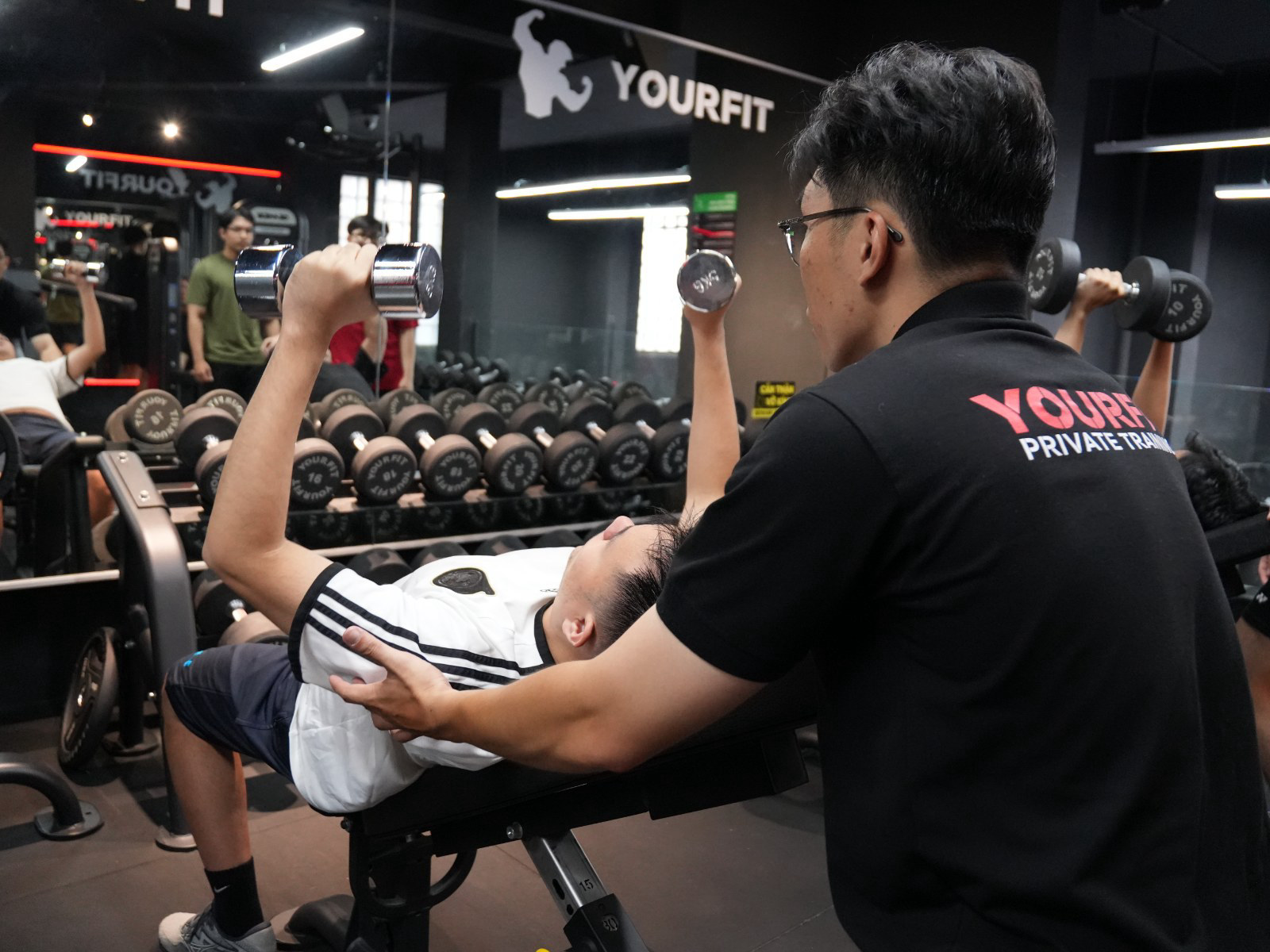
When should you choose one-to-one PT rather than another format?
One-to-one coaching is worth considering when you want focused attention on your technique, a specific goal or a program that fits a complicated schedule. Beginners may value help learning the basics; experienced members may want detailed feedback on a particular lift or a stalled area of progress.
If you can already manage your program, independent Membership may provide enough support. If you enjoy learning with others, a small-group format may suit you better. Compare Membership, Hybrid 1:4, Partner Training and PT 1:1 before deciding. The level of coaching can change as your confidence and needs develop.
Frequently asked questions
Can I start if I do not know the machines or feel unfit?
Yes. Your coach can begin with machine setup, suitable loads and basic movements. Be honest about your experience so the session starts at the right level. Asking for an explanation is more useful than copying an exercise you do not understand.
Are measurements or progress photos compulsory?
Discuss what information is relevant to your goals, how it will be used and whether another measure would work. If you are uncomfortable with photographs, say so before they are taken. Permission to use images for marketing is a separate matter.
What if I do not want hands-on technique correction?
Ask for verbal cues, demonstrations or another explanation. Your consent and comfort should be respected throughout the session, including if a coaching method has been used with you before.
Can I change coaches if the approach does not suit me?
Tell YourFit what is not working, such as the explanation style, session pace or communication. The gym can discuss adjustments or another coach, depending on expertise and availability. Early feedback makes your needs easier to understand.
Must I buy a package immediately after the trial?
No. YourFit currently offers three complimentary trial sessions for new clients, scheduled according to coach availability. Confirm the details when booking, then consider the experience, schedule and cost before deciding whether to continue.
Start by learning what works for you
A useful PT session should leave you understanding more about the exercises, their purpose and the next step in your program. Over time, you can become more confident with equipment, recognise when something needs adjusting and take greater ownership of training.
You do not need excellent fitness or a perfectly defined goal before your first visit. Share your priorities, schedule and concerns so your coach has a realistic starting point. To experience the process, explore YourFit's three-session PT trial and discuss a suitable time to begin.