
Gym Training for Beginners: Your First Eight Weeks
Start gym training with a practical eight-week guide to scheduling, equipment, exercise technique, choosing weights, nutrition and tracking progress.
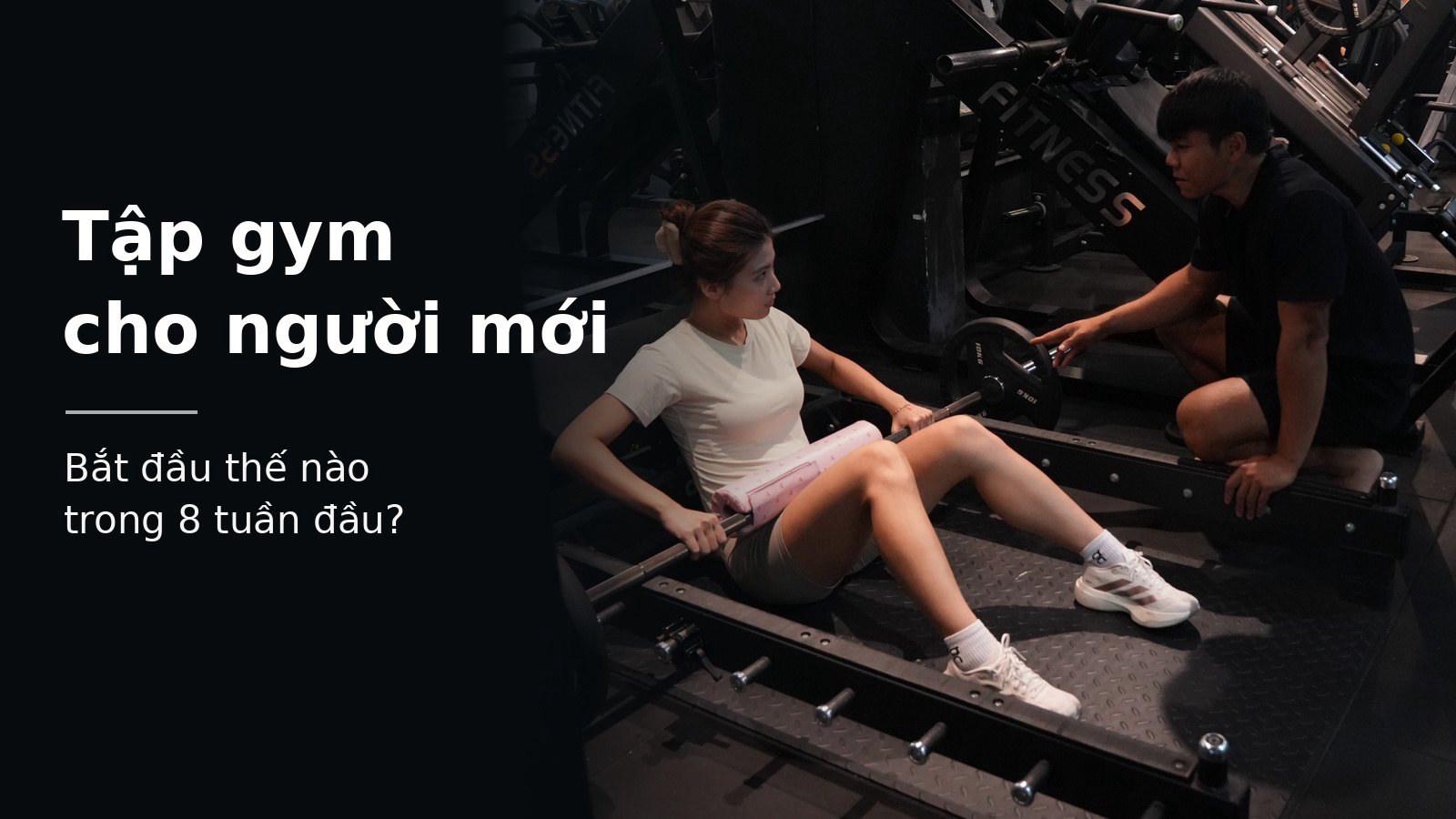
If you are new to the gym, two or three full-body strength sessions a week can be a practical starting point. Learn the basic movements and use loads you can control. During the first eight weeks, the priorities are establishing consistency, understanding the equipment and learning when to increase the challenge.
You do not need to know every machine or have a perfect meal plan before arriving. A useful starting plan answers four questions: which days will you train, what will you do, which loads suit you and what should change next time?
This guide organises those decisions into stages. Eight weeks is a period for learning and reviewing progress, not a promise of a particular weight loss or physique.
What should a beginner prioritise?
Focus on a sustainable schedule, learning the exercises and recording your results. These provide a foundation for a programme that develops with your ability.
It is tempting to train daily, overhaul your diet and try many exercises at once. Too many changes can make the plan difficult to maintain when work becomes busy. Instead of aiming to transform everything this month, aim to attend twice weekly, adjust your regular machines and remember your programme. These are actions you can control and check.
Choose one main goal
Do you want more strength, a change in physique, a movement habit or better fitness for sport? Different priorities influence the plan. You can keep several ambitions while choosing one to guide decisions when time is limited.
Someone playing tennis several times a week needs to coordinate gym training with sport. Someone inactive for years may first need regular attendance and basic technique. For physique goals, training and eating habits should be addressed together; one extremely hard workout cannot replace a workable long-term plan.
Understand your starting point
Movement experience, working hours and current limitations all affect how you begin. A new gym member who already plays sport may need a different approach from someone with a sedentary routine.
If you have a chronic condition, injury, persistent pain or unusual symptoms during exercise, discuss starting or increasing exercise with an appropriate health professional. Tell your gym instructor as well, so exercise choices account for more than appearance goals.
How many sessions a week should you start with?
Two or three sessions a week is practical for many beginners. It provides repeated practice and time between strength sessions. If you can reliably attend twice, build the programme around those two days. Add more only when your routine and recovery allow it.
Include travel, changing and preparation time. A gym on your route home may be easier to use consistently than one that adds a long detour.
A two-day training week
Full-body sessions provide a straightforward structure, covering major muscle groups without requiring separate chest, back and leg days.
| Day | Example schedule |
|---|---|
| Monday | Daily activities and suitable movement |
| Tuesday | Full-body strength |
| Wednesday | Rest between strength sessions |
| Thursday | Walking or manageable activity |
| Friday | Full-body strength |
| Saturday | Daily activities or suitable sport |
| Sunday | Rest or light movement according to your ability |
Monday and Thursday or Wednesday and Saturday can work too. Choose days that are genuinely convenient.
When should you consider three sessions?
Consider a third session when you can maintain the schedule, have enough time and the programme fits comfortably around everyday life. Monday, Wednesday and Friday, or Tuesday, Thursday and Saturday, are possible arrangements.
The additional session should have a purpose within the programme. If you also run or play sport, review the entire week before adding it.
What should you prepare for your first visit?
Bring clothing that allows movement, suitable shoes, water and personal items required by the gym. A phone notes app is enough for recording the session.
Arrive a little early to locate lockers, understand the layout and find out who can help with equipment. Clarify the guidance included in your membership: help adjusting a machine is different from a full personal-training session.
You do not need to try every machine
Too many exercises can make the first session harder to remember. Learn a few appropriate movements, record the settings and ask about anything unclear. If you leave knowing where to start next time, you have achieved something useful.
Prepare a few specific questions
- How should I adjust this seat and handle?
- How do I get into position and finish safely?
- What load should I try first?
- If this machine is occupied, is there an alternative I have already learned?
Specific questions usually produce more useful answers than simply asking what to train.
What should a beginner’s gym session include?
A manageable session has three main parts: preparation, main exercises and recording the results. Exercise count, sets and rest periods should fit your present ability. There is no need to stay in the gym for a long time simply to meet a duration target.
Warm up and practise the movements
Start with a few minutes of easy walking or cycling, then practise the upcoming exercise with a light load. Check the seat, handle and movement control before beginning working sets.
Use basic movement categories
The following is a way to understand a full-body session, not a compulsory exercise list for every beginner.
| Movement category | Examples | What to learn |
|---|---|---|
| Leg exercises | Leg press, leg curl or leg extension | Foot position, range and control |
| Hip exercises | Hip bridge or learning a hip hinge | Creating the movement and maintaining suitable posture |
| Upper-body push | Machine chest or shoulder press | Seat adjustment, hand position and load |
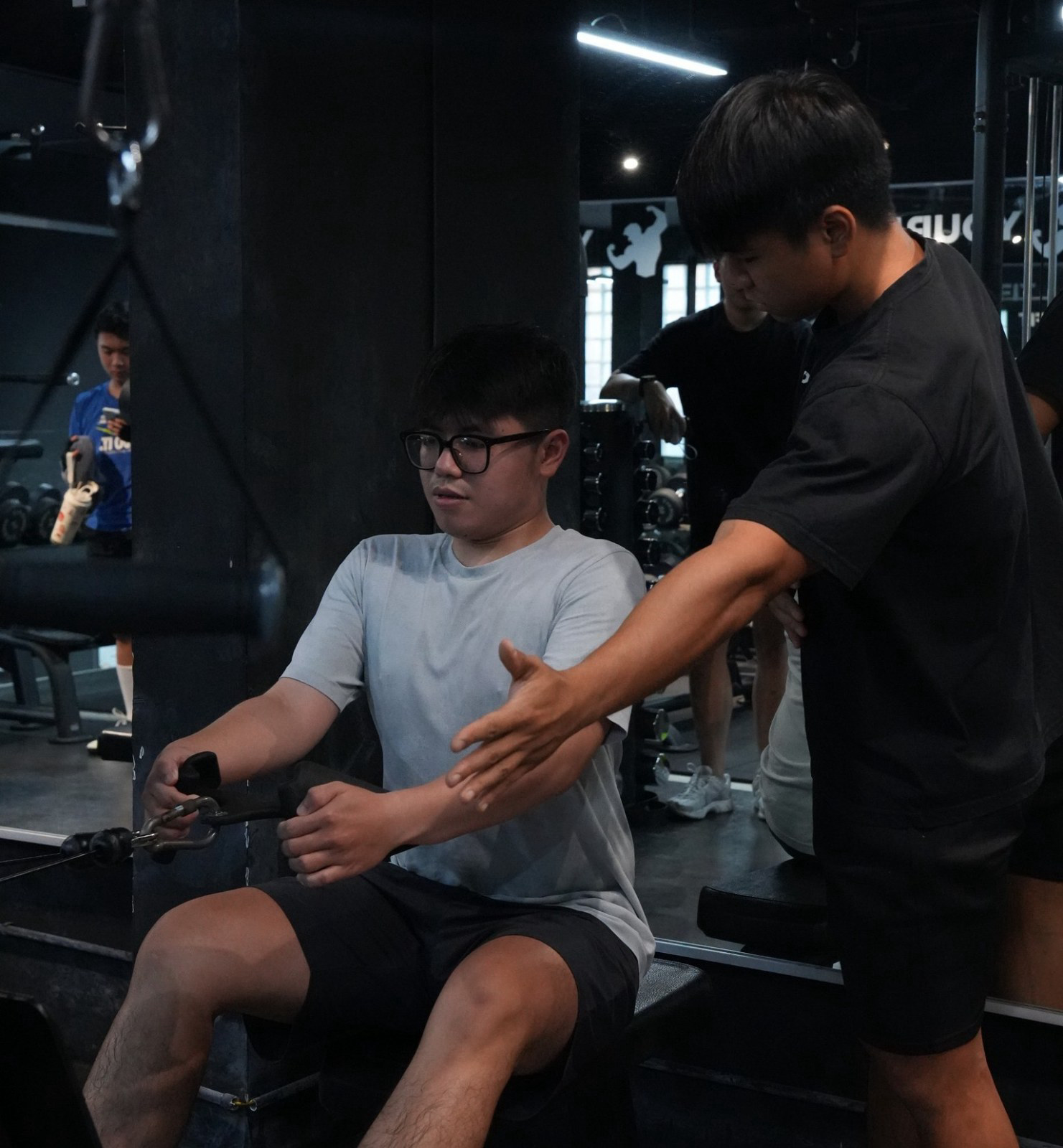
| Upper-body pull | Seated cable row or lat pulldown | Controlling the path without excessive momentum |
| Trunk stability | Hands-elevated plank at a suitable height | Maintaining position and breathing steadily |
Exercise choices depend on equipment, movement ability and what you have been taught. An unsuitable exercise can be replaced with another serving a similar purpose. Repeating movements across sessions helps learning and makes comparisons easier.
Understand sets and repetitions
A repetition is one complete performance of a movement. A set is a group of repetitions before resting. “Two sets of 10” means completing 10 repetitions, resting and then doing the next set.
Ask about rest periods and when to stop as well as exercise names. No single set-and-repetition prescription suits every person and exercise. While learning, understanding the movement takes priority over accumulating more work.
How to choose a starting weight
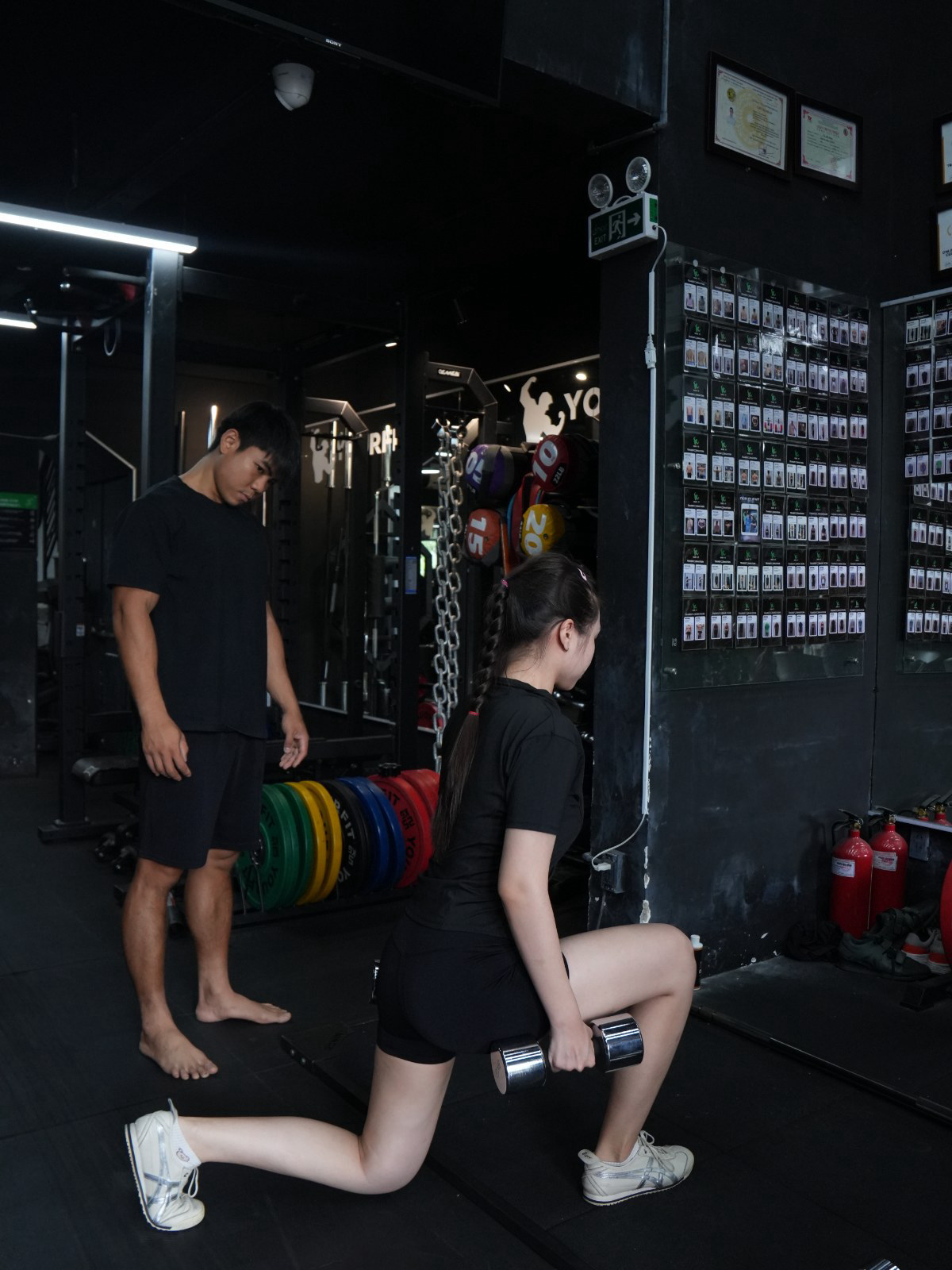
Choose a load that lets you follow the instructions and remain in control throughout. Another person’s weight is not a guide to yours. Begin lightly, test the movement and adjust once you understand it.
If you need to jerk the weight, substantially change position or shorten the movement unintentionally, reconsider the load. You do not need to reach complete muscular failure while learning. Consistent technique and awareness of your current limits are more useful.
When can you increase the weight?
Review recent sessions. Did you meet the exercise requirements with stable technique, or did the last repetitions require compensation? If a repetition range is prescribed, increase within that range before moving up a weight step.
For example, with a prescribed range of 8–12 repetitions, keep the weight and gradually add repetitions. Once all sets reach the upper end with consistent technique, consider the next load. This is an illustration, not a universal repetition range.
When should you keep or reduce the load?
If control is poorer than usual, do not force an increase. Returning after time off or correcting unstable technique can also justify a reduction. If an exercise causes pain, stop and assess it rather than trying to finish the target repetitions.
Your first eight weeks
Use these stages to identify priorities. Progress according to confidence and execution, not simply because another week has passed.
Weeks 1–2: learn and remember the session
Learn seat adjustments, handles, load selection and safety catches where provided. Ask again when necessary: settings that suit someone else may not suit your height or movement.
Record exercise names, sets, repetitions and loads after each session. Brief notes about settings make the next visit easier.
| Record | Example |
|---|---|
| Exercise and equipment | Chest-press machine in the upper-body area |
| Actual performance | Weight, sets and completed repetitions |
| Settings | Seat position 3 |
| What needs attention | Control declined during the final set |
| Question for next time | Check handle position |
The aim is to be able to repeat the session. Comparing your weights with other people is unnecessary.
Weeks 3–4: progress one variable at a time
Once movements are familiar, use your log to guide changes. Add repetitions within the assigned range or take an appropriate load increase when ready.
Avoid simultaneously adding weight, adding sets and shortening rests. Too many changes make it difficult to identify what helped or became excessive. If the next weight step is too large, stay where you are and ask how to progress without sacrificing execution. Keeping exercises, equipment and technique relatively consistent makes comparisons more meaningful.
Weeks 5–6: adjust to real life
After a month, you should know which times are sustainable and what causes missed sessions. Adapt accordingly. If the third session is consistently missed, plan around two reliable days. If sessions run too long, identify priorities. If settings are forgotten, improve your notes.
Distinguish a scheduling problem from an exercise problem. A new routine does not solve an inconvenient journey or repeated work clashes.
Weeks 7–8: review progress and the next step
| Area | Review question |
|---|---|
| Habit | How many planned sessions did I complete? |
| Independence | Can I adjust machines and remember the exercises? |
| Technique | Do I control the same load better? |
| Progress | Can I perform more repetitions or use more load with comparable technique? |
| Fit | Can this schedule continue over the next few months? |
If you want systematic technique and strength development, explore Strength & Technique Training. There is no need to adopt a complicated split merely because eight weeks have passed. Continue developing the current structure if it still works.
How should beginners combine cardio and weights?
Cardio includes activities such as brisk walking, cycling and swimming. It can be scheduled separately or within the week according to the time available.
If you have been inactive, begin with short, repeatable periods. Regular walking is often easier to maintain than one very long cardio session followed by several skipped days. If a gym session prioritises technique and strength, avoid adding so much activity beforehand that you cannot concentrate on the main work.
Cardio is a part of an active routine, not a punishment for eating a meal.

How should you eat when starting the gym?
A complicated meal plan is unnecessary at the start. Look at whether your normal meals are varied, fit your workday and can be maintained. Meals can combine protein sources such as fish, eggs, meat or beans with carbohydrate foods and vegetables or fruit. Starting the gym does not require eliminating rice or an entire food group.
Begin with manageable changes
If you skip meals and eat hurriedly late in the day, prepare a suitable meal for training days. If meals lack protein or vegetables, change those elements gradually. Do not copy someone else’s portions because you like their physique: needs depend on goals, body size, activity and health.
Seek suitable professional advice for therapeutic diets or specialised requirements.
Avoid changing everything at once
You are already learning a new schedule and new skills. A restrictive diet can make the process harder. Choose one or two repeatable habits, such as more regular meals, preparing food for busy days or bringing enough water. Build further once these are established.
Common beginner mistakes
Choosing too many training days
A six-day routine may suit someone else but not your available time. Repeated missed sessions may reflect an unrealistic plan rather than a lack of discipline. Build around days you can attend.
Changing exercises with every new video
Individual videos do not necessarily add up to a coherent programme. Constant changes make technique and progress harder to follow. Keep useful exercises and change them for a reason.
Increasing weight while ignoring execution
A larger number does not prove improvement if you change machines, use more momentum or unintentionally reduce the range. Record a short technique note alongside the load.
Cramming in every missed session
A busy week does not require a rush of extra workouts. Rearrange what is practical and return to a sustainable rhythm. Consistency is built over many weeks.
Judging everything by body weight
Weight can be relevant to physique goals, but it does not capture everything you are learning. Attendance, independence, movement quality and programme progress also tell you what to continue or adjust.
Do beginners have to hire a PT?
No. Personal training is a form of support. Its value depends on your ability to train independently, the guidance you need and your budget.
If you have a suitable plan, understand equipment and can track sessions, Membership may suit you. PT is worth considering if you need help organising a session, direct technique observation or programme adjustments. Our personal-training guide explains the role in more detail.
Questions to ask before choosing PT
- What will the first session assess and teach?
- How will the programme fit my goals and time?
- How will independent sessions be explained?
- How will progress be recorded?
- What are the total price, validity and included benefits?
Compare the PT 1:1 and 1:2 options. A suitable choice should help you understand your training and provide the support you need.
Choosing a gym you can keep attending
Location, hours, attendance and support affect whether you want to return. Visit at your likely training time to assess the actual journey, crowding and equipment access.
Look for cleanliness, comfortable walkways and clear answers when asking for help. Beginners need an environment that respects learning and avoids sales pressure. If privacy matters, explore YourFit’s four floors—Lower Strength, Upper Strength, Hybrid Performance and Her Zone—then assess the real experience in person.
Frequently asked questions
Is it worth training if I have only one session this week?
You can use it for an appropriate session and maintain the habit. If this becomes your normal availability, adjust the plan and expectations rather than keeping an impossible schedule.
What if a machine is occupied?
Change the order of familiar exercises if appropriate, or ask for a suitable alternative. Do not improvise with unfamiliar equipment simply to complete a list.
Do I start from scratch after a week off?
Not necessarily. Return to familiar exercises and select loads based on current ability. If the break involved illness or injury, account for recovery.
Do I need many accessories?
No. Establish what your exercises require first, then ask which accessories would help and how to use them.
What if my physique has not visibly changed after eight weeks?
Review attendance, training, eating habits and progress measures, alongside technique and independence. If you have been consistent but do not know what to change, ask a qualified professional to review the plan. Do not sharply increase training just because appearance changes are slower than expected.
Start with a plan you can maintain
A good beginning requires clear training days, a manageable session and a basis for deciding what comes next. If, after eight weeks, you attend more regularly, use equipment more confidently and better understand your ability, you have a foundation to build on.
Explore YourFit programmes to choose a direction that fits your goals and the support you need.


