Vietnamese Sticky Rice: Calories, Toppings and Everyday Portions
Understand what changes the calories in Vietnamese sticky rice, compare popular toppings, and build balanced portions around your routine.
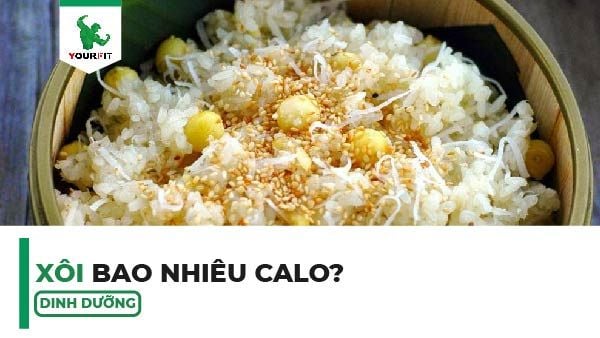
Xôi, Vietnamese sticky rice, is a traditional food made from glutinous rice. It appears at festivals, Tết celebrations, family ceremonies and everyday breakfasts. Convenient, satisfying and adaptable, it connects daily meals with Vietnam's culinary traditions.
How much energy does a serving provide, and can eating it regularly affect your weight? The answer depends on the rice portion, toppings and preparation.
How many calories are in sticky rice?
Sticky rice is usually soaked and steamed, then served with sweet or savory ingredients. There is no single calorie figure that accurately describes every portion: water absorbed during cooking changes the weight, and toppings can contribute substantial energy. For tracking, use the weight of the cooked rice and the amounts of each accompaniment, or nutrition information for the actual recipe.
Popular varieties and what they contain
| Variety | Typical ingredients | What affects its energy content |
|---|---|---|
| Xôi trắng | Plain steamed glutinous rice | Rice portion and any added oil |
| Xôi đậu xanh | Rice and mung beans | Bean-to-rice ratio, oil and sugar |
| Xôi gấc | Rice colored with gac fruit | Added sugar, oil or coconut milk |
| Xôi lạc / xôi đậu phộng | Rice and peanuts | Peanut portion and added fat |
| Xôi dừa | Rice, shredded coconut and sometimes sugar | Coconut and sugar quantities |
| Xôi xéo | Rice, mashed mung beans and onion oil | Oil and bean topping |
| Xôi gà | Shredded or fried chicken and fried shallots | Chicken cut, cooking oil and portion |
| Xôi lạp xưởng | Chinese-style sausage, sometimes egg and meat | Sausage and other toppings |
| Xôi khúc | A herb-flavored dumpling with pork and mung bean filling, surrounded by rice | Filling, dough and rice amounts |
| Xôi chả lụa | Vietnamese pork sausage, fried shallots and onion oil | Sausage and oil quantities |
| Xôi pâté | Pâté, onion oil and sometimes fried egg | Pâté, egg and added oil |
| Xôi thập cẩm | A combination of chicken, sausage, pork sausage, fried egg and shallots | Number and size of toppings |

Beans, peanuts, coconut, gac fruit and meat each change the meal's nutrition. Steaming, frying and stir-frying also produce different results. A compact serving of rice with rich toppings can provide considerably more energy than it appears to, so comparisons with porridge, noodles or bread only make sense when portions and accompaniments are comparable.

What does sticky rice contribute nutritionally?
Energy for daily activity
Rice provides carbohydrate, a useful source of fuel for physical activity and everyday work. The amount that suits you depends on your overall energy needs.
A satisfying meal
Its dense texture and the size of the portion can make xôi feel filling. Adding protein and fiber-containing foods helps make the meal more balanced and satisfying.
Protein from the toppings

Chicken, meat and eggs add protein that supports muscle repair and maintenance. Mung beans and peanuts contribute plant protein as well as other nutrients.
Vitamins and minerals
Gac fruit supplies carotenoids, including compounds the body can use to make vitamin A. Mung beans add B vitamins, fiber and minerals such as magnesium and iron.
A naturally gluten-free rice base
Despite the name “glutinous,” plain sticky rice contains no gluten. If you need a gluten-free diet, check sauces, processed meats and preparation surfaces for ingredients or cross-contact that could introduce gluten.
Fiber and digestive comfort
Plain white sticky rice contains relatively little fiber. Beans and vegetables can raise the meal's fiber content. How comfortably you digest it also depends on portion size and the amount of fat added.
Fat from nuts, seeds and coconut
Peanuts and sesame seeds provide unsaturated fats. Coconut adds flavor and fat, much of it saturated, so the amount still matters. Dietary fat also helps with the absorption of fat-soluble vitamins.
Choose portions and toppings that fit your goals, particularly if you are managing calories. Vegetables and less oily accompaniments can improve the balance.
Can eating sticky rice cause weight gain?
It can contribute to weight gain if your total intake regularly exceeds your energy needs. Eating xôi frequently does not automatically cause weight gain; the complete eating pattern matters.
1. A substantial rice portion
Glutinous rice is rich in starch, including amylopectin. A large serving increases carbohydrate and energy intake and can affect blood glucose, which matters for people managing diabetes.
2. Calorie-rich accompaniments
Fried meat, sausage, oil and pâté add energy to savory xôi. Sweet versions may contain sugar, coconut or peanuts in generous amounts.
3. Large or repeated servings
Eating a large packet or several portions in one day can push intake above your needs even when each ingredient seems familiar.
4. Limited fiber
A meal consisting mainly of rice and fatty toppings may leave little room for vegetables, fruit and other fiber sources.
5. Evening eating habits
An additional late-evening serving can increase total intake. Timing alone does not turn rice into body fat; consider whether it replaces a meal or adds to an already sufficient day's food.

Xôi can serve as a main meal. Adjust the rest of the day accordingly and include a variety of foods, rather than treating it as a small extra simply because it is sold in a convenient packet.
How to enjoy sticky rice in a balanced diet
1. Manage the portion
A cooked-rice portion of around 100–150 g can be a starting example, adjusted for appetite, activity and toppings. Add vegetables or a vegetable soup to bring volume and fiber.
2. Choose the variety thoughtfully
Plain steamed rice gives you more control over accompaniments. Choose less-sweet mung-bean or gac preparations when available, and limit heavily fried versions.
3. Add nutritious ingredients
Mung beans, black beans or modest amounts of peanuts add variety. Include leafy vegetables, salad or vegetable soup alongside the rice.
4. Fit it into your schedule
Choose a time that suits your appetite and activity. If a heavy evening meal makes you uncomfortable, use a smaller portion or eat earlier.
5. Drink enough water
Maintain hydration throughout the day, especially when increasing fiber from beans and vegetables.
6. Keep moving
Walking, running, swimming and strength training can all contribute to a consistent activity routine.
7. Notice hunger and fullness
Eat attentively and pause when you feel comfortably satisfied. This can help you choose an appropriate portion.
8. Adjust the cooking method
Steam the rice instead of frying it, and use a measured amount of oil. If you prefer a sweet version, reduce added sugar or enjoy fresh fruit alongside it.
Portions, preparation and food combinations work together. You can preserve the flavor you enjoy while making the meal more balanced.
Conclusion

Sticky rice is a versatile part of Vietnamese food culture. Enjoy it in moderation, select toppings deliberately, and include vegetables, beans and fruit across the day. Regular exercise, adequate sleep and manageable stress also support lasting health habits.
If you want help connecting your food choices with training goals, YourFit coaches can support practical nutrition habits and a training plan suited to your starting point. Whether you are new to exercise or returning with experience, a sustainable routine should fit your life.
Training with YourFit also offers a chance to connect with others, share experiences and enjoy the process. Explore YourFit training programs to find an approach that supports your goals.