Sticky Rice and Weight Gain: A Guide to Balanced Meals
Learn how sticky rice, sweet and savory toppings, portion sizes and cooking methods affect the balance of your meal and daily calorie intake.
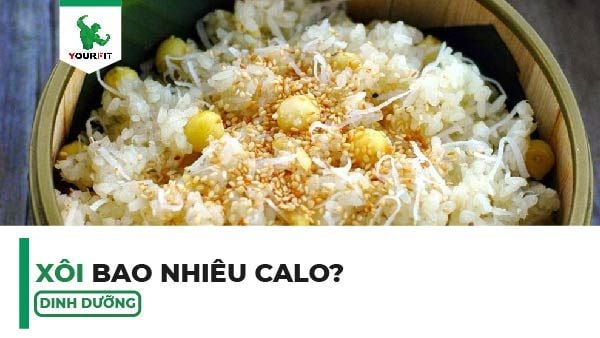
From Tết celebrations and family ceremonies to a quick breakfast, xôi has a special place in Vietnamese cooking. Made mainly from glutinous rice, it is filling, easy to carry and available in many sweet and savory forms.
You do not need to give up a familiar food to manage your weight. Understanding the ingredients in your packet of sticky rice is a more useful starting point.
Understanding the calories in xôi
The rice is soaked, then steamed until tender and sticky. Its final energy content depends on the cooked portion and what is added. A serving with beans is different from one topped with sausage, pâté, fried egg or sweet coconut.
There is no dependable single calorie value for all xôi dishes. Weigh the cooked rice and account for the toppings separately, or use nutrition information for the specific recipe. The same 100 g weight can contain different proportions of water, rice, fat and other ingredients.
What goes into popular varieties?
- Plain sticky rice: steamed glutinous rice, with little else unless oil is added.
- Mung-bean sticky rice: rice combined with mung beans for a soft, nutty flavor.
- Gac sticky rice: gac fruit gives the rice its red-orange color; recipes may also include sugar or coconut milk.
- Peanut sticky rice: peanuts add a nutty texture, plant protein and fat.
- Coconut sticky rice: shredded coconut and sometimes sugar create a fragrant sweet version.
- Xôi xéo: rice with mashed mung beans and onion oil.
- Chicken sticky rice: shredded or fried chicken, often with fried shallots.
- Sausage sticky rice: lạp xưởng, sometimes accompanied by eggs or other meat.
- Xôi khúc: herb-flavored dough, pork and mung beans surrounded by sticky rice.
- Pork-sausage sticky rice: chả lụa with fried shallots or onion oil.
- Pâté sticky rice: pâté and onion oil, sometimes with a fried egg.
- Mixed sticky rice: several toppings, such as chicken, lạp xưởng, chả, eggs and shallots, in one serving.
Oil, sugar and the number of toppings can change the meal considerably. Steamed and fried versions also differ. Compare actual servings when choosing between xôi, porridge, noodles and bread.
What sticky rice can add to your diet
Carbohydrate for energy

Rice supplies starch to fuel daily activity and exercise. People with demanding physical routines may use a larger carbohydrate portion than those with lower energy needs.
A filling breakfast or meal

The dense rice and its accompaniments can make a satisfying meal. Adding protein and vegetables provides a better balance than simply increasing the rice portion.
Protein from other ingredients

Chicken, eggs and meat contribute protein for muscle maintenance and recovery. Mung beans and peanuts add plant protein. For a closer look at a lean topping, read about chicken breast calories and protein.
Vitamins and minerals

Gac contributes carotenoids, while mung beans provide fiber, B vitamins and minerals such as magnesium and iron. Variety across meals helps you meet a broader range of nutrient needs.
A gluten-free grain

Glutinous rice is naturally gluten-free. If you have celiac disease or need to avoid gluten, check every sauce and topping and consider cross-contact during preparation.
Digestive considerations

Beans and vegetables add fiber to an otherwise low-fiber rice base. A comfortable portion and moderate amounts of oil may be easier to tolerate than a very large, rich serving.
Fats from toppings

Peanuts and sesame seeds contribute unsaturated fats. Coconut contributes more saturated fat. Both add calories, so include them in suitable amounts rather than assuming plant ingredients are unlimited.
When can sticky rice contribute to weight gain?
Weight gain can occur when your total intake regularly exceeds the energy you use. Xôi may contribute to that surplus if portions are large or it is added on top of your usual meals.
- A large starch serving: rice adds carbohydrate and energy. Its high amylopectin content is also relevant to blood-glucose responses.
- Rich extras: fried chicken, sausages, pâté, oil, sugar and coconut can substantially increase the calories in a serving.
- Repeated portions: eating several packets throughout the day can add up quickly.
- Few fiber sources: a meal mainly made of rice and fatty toppings can crowd out vegetables and other fiber-rich foods.
- An extra evening meal: eating late is not inherently fattening, but another serving can raise daily intake beyond your needs.

Think of a substantial packet of xôi as a meal and plan other meals around it. Enjoying food and caring for your health can work together when portions and ingredients are considered.
Eight practical ways to build a balanced sticky-rice meal

1. Start with the portion
About 100–150 g of cooked rice is one possible starting portion, adjusted to your needs and the toppings. Add vegetables or soup rather than automatically increasing the rice.
2. Select the type of xôi
Plain steamed rice makes it easier to control extras. If you enjoy sweet versions, choose less added sugar; mung beans or gac do not remove calories from sugar and coconut milk in the recipe. Limit heavily fried versions.
3. Add foods that improve variety
Mung beans, black beans or a modest portion of peanuts contribute protein and fiber. Leafy vegetables, fresh salad or vegetable soup round out the meal.
4. Consider comfort and timing
If a large evening portion leaves you feeling too full, eat earlier or choose a smaller serving. Your overall intake remains more important than a fixed cutoff time.
5. Stay hydrated
Drink water regularly, particularly as you include more fiber-containing foods.
6. Maintain physical activity
Choose movement you can repeat consistently, such as walking, running, swimming or gym training.
7. Pay attention to appetite
Notice when you are hungry and when you are comfortably full. Slowing down can help you decide whether you need more.
8. Change the preparation
Steam rather than fry, measure added oil and use less sugar. Fresh fruit can bring sweetness and variety alongside a smaller sweet-rice portion.
These choices work best together. Portion control, a varied plate, cooking methods and a consistent activity routine all contribute to a sustainable approach.
Conclusion
Xôi can remain part of your diet while you manage your weight. Choose the rice and toppings in amounts that suit your needs, include vegetables, beans and fruit, and support your eating habits with regular activity, adequate sleep and manageable stress.