Crab Soup Calories and Two Balanced Soup Recipes
Explore calories in a 250 g bowl of crab soup, useful portion tips and complete chicken-and-corn and salmon-and-vegetable soup recipes.

Vietnamese crab soup combines crab with ingredients such as egg, vegetables and a lightly thickened broth. Its nutritional value and calories depend on the recipe, the toppings and the size of the bowl. YourFit explains what to consider and shares two other homemade soups for variety.
1. Crab soup calories and nutrition
1.1. How many calories are in crab soup?

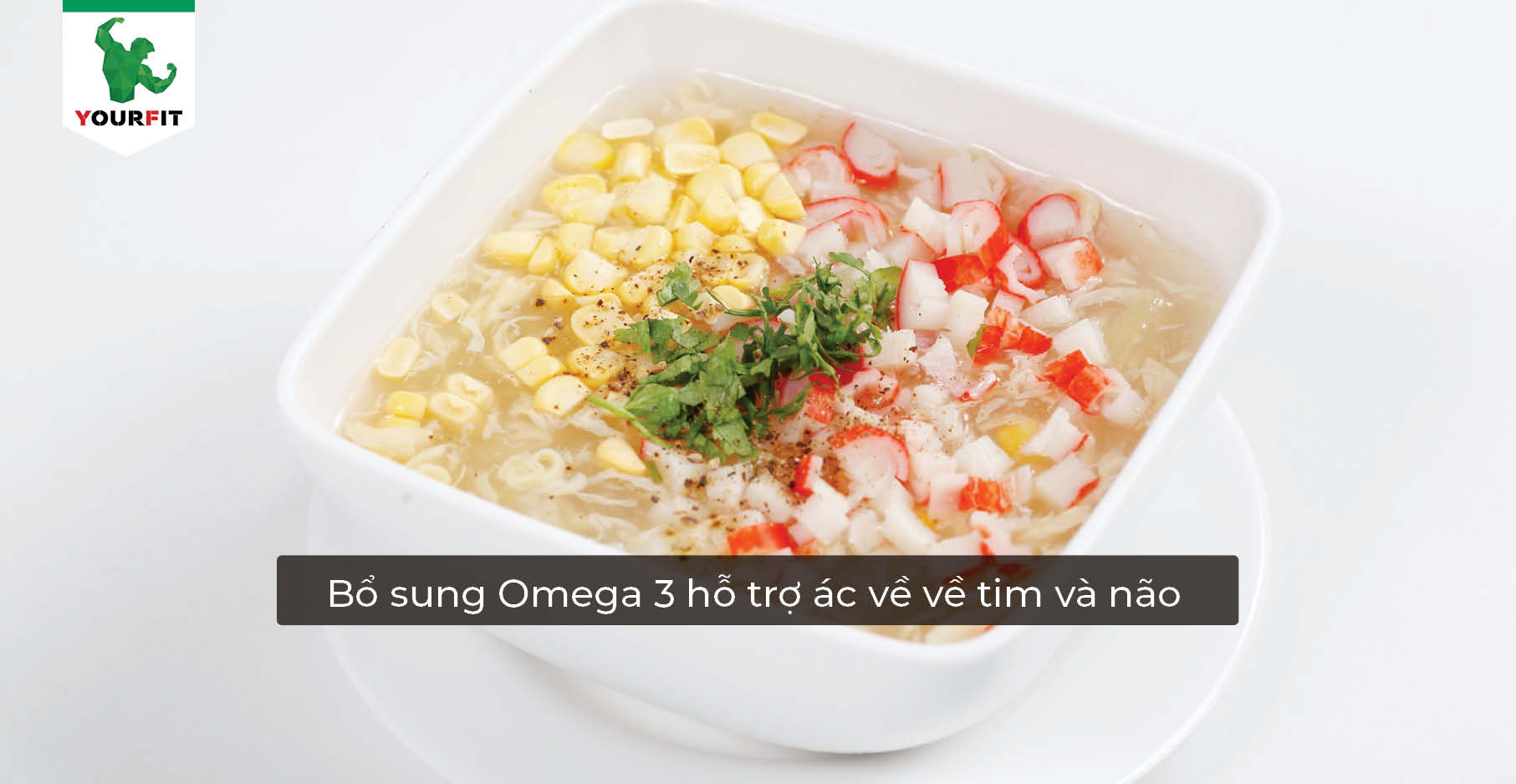
A 250 g bowl may contain approximately 120–160 kcal. Richer versions with pork brain, salted egg or century egg can differ substantially, as can versions with more vegetables or bamboo shoots. A portion estimate is useful only when it refers to the recipe and bowl size you actually eat.
1.2. Main nutrients
- Protein: crab and egg provide protein for muscle maintenance and other body functions.
- Omega-3 fats: crab contributes some omega-3 fats, with the amount depending on the species and serving.
- Selenium: this mineral is involved in normal antioxidant and immune functions.
- Iron and vitamin B12: crab contributes nutrients involved in blood formation and nerve function.
2. Nutritional benefits of crab soup
2.1. Protein
The crab and other protein ingredients can make the soup a useful part of a meal. The amount depends on how much actual meat is included.
2.2. Vitamins and minerals
Depending on its ingredients, the soup may supply vitamin B12, vitamins A and D, zinc, calcium and phosphorus. These support normal functions within a varied diet.
2.3. Bone-related nutrients
Calcium and phosphorus contribute to normal bone health. Soup complements other nutrient sources rather than guaranteeing protection from osteoporosis.
2.4. Heart-conscious choices
A recipe with modest added fat and salt can fit a balanced eating pattern. Crab's nutrient content does not cancel the sodium or richer toppings added to a bowl.
2.5. Vegetables and digestion
Carrots, mushrooms and other vegetables add fiber and variety, supporting normal bowel function.

2.6. Weight-management context
A soup with vegetables and a suitable protein portion can be satisfying without needing many rich additions. Weight change still depends on your overall intake.
3. Two soups to prepare at home
Cooking at home lets you choose the amount of oil, salt, thickener and toppings. These chicken and salmon variations offer alternatives to crab soup.
3.1. Chicken breast and sweetcorn soup
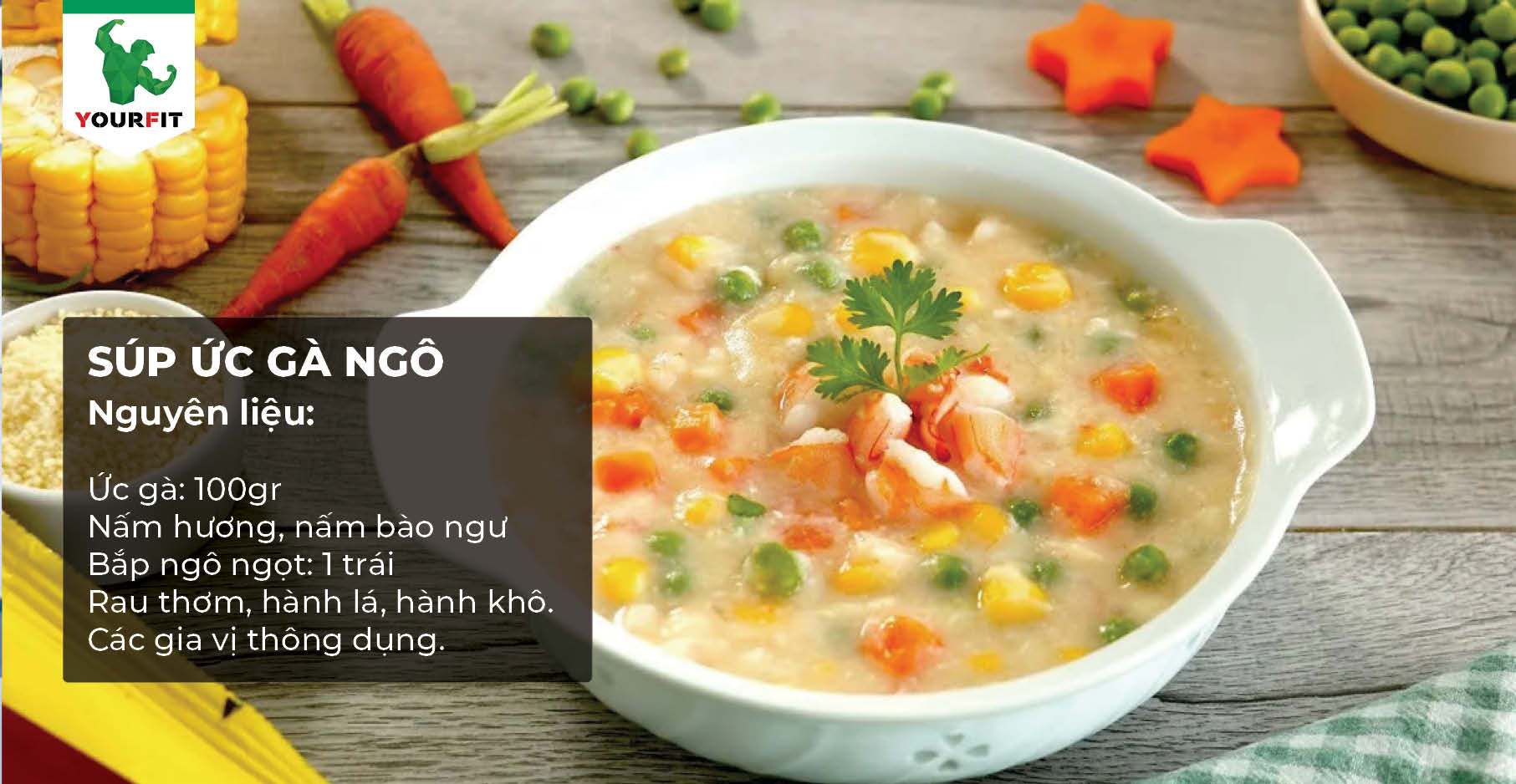
Ingredients: 100 g chicken breast; shiitake and oyster mushrooms; 1 ear of sweetcorn; herbs, spring onion and shallot; a little cooking oil; about ½ teaspoon cornstarch; and seasoning to taste. Carrot or snow fungus can be added if desired.
- Cook the chicken through and shred it, reserving the cooking liquid.
- Clean the mushrooms and slice them. If using dried mushrooms or snow fungus, soak until softened and rinse. Remove the corn kernels from the cob; dice any carrot.
- Warm a little oil in a saucepan and briefly cook the mushrooms and shredded chicken.
- Add the reserved chicken liquid and corn, plus any carrot, and simmer for about 20 minutes until the vegetables are tender.
- Mix the cornstarch with a little cool water before stirring it into the soup. Simmer until lightly thickened, season to taste, and serve with herbs and pepper.
3.2. Salmon and vegetable soup
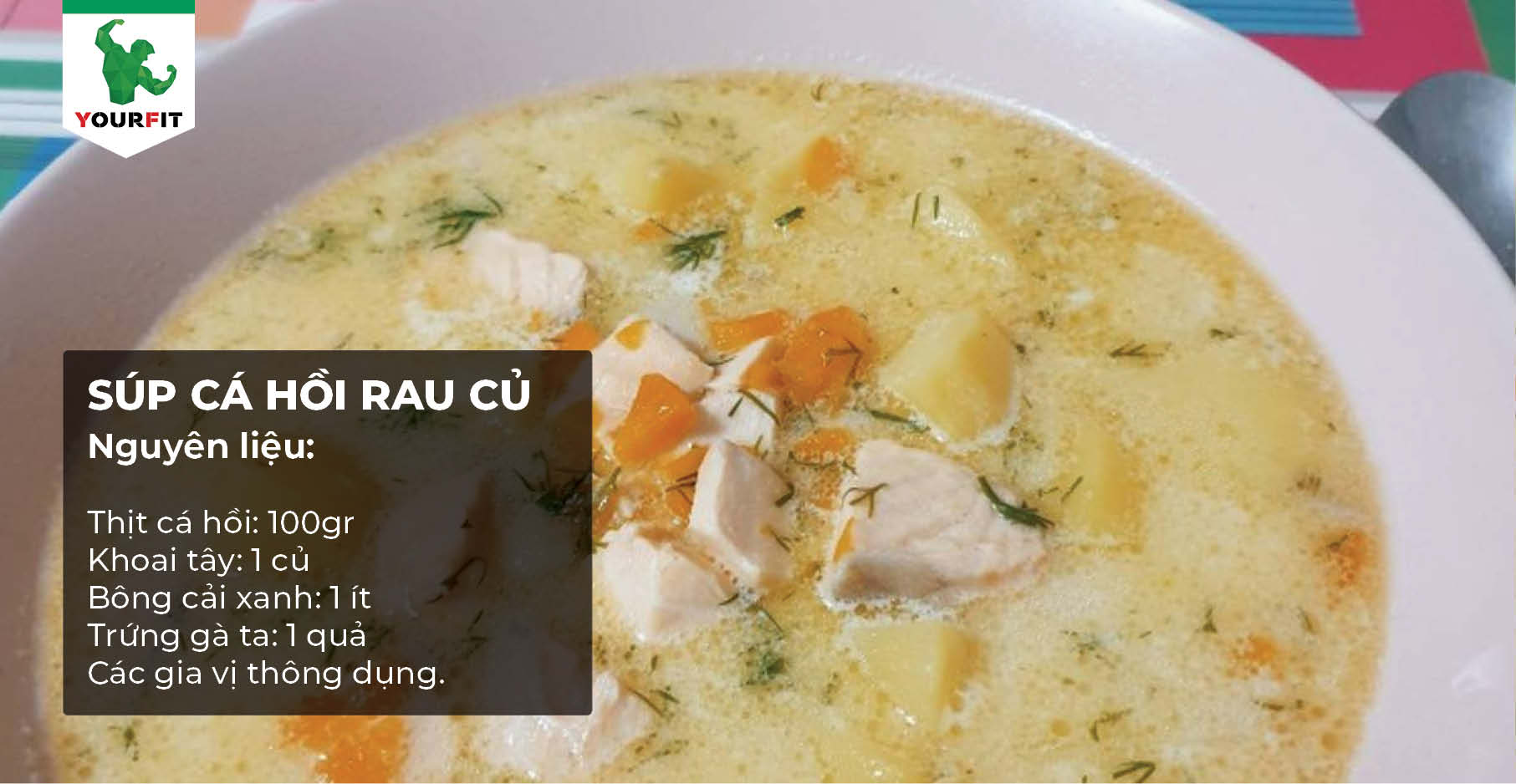
Ingredients: 100 g salmon, 1 potato, a small amount of broccoli, 1 egg, 500 ml water, a little cornstarch and ordinary seasonings.
- Cut the salmon into small pieces. Peel and dice the potato; wash and chop the broccoli.
- Briefly cook the salmon in a saucepan with a small amount of oil if needed.
- Add 500 ml water and the prepared vegetables. Simmer for about 15 minutes, adjusting the time until the potato is tender and the salmon is cooked through.
- Beat the egg, pour it slowly into the simmering soup and stir gently to form ribbons. Cook the egg through.
- If desired, mix a little cornstarch with cool water and stir it in. Simmer until thickened, season and serve with pepper.
4. Portion and preparation tips
4.1. Add vegetables
Carrot and mushrooms add volume and fiber. Use rich toppings and added fat in amounts that suit the rest of the meal.
4.2. Keep meals varied
Two or three soup meals a week are one possible routine, but no set frequency produces weight loss. Vary your meals and pay attention to portions.
4.3. Adjust the broth
More water makes a given volume of soup less concentrated, but it does not remove calories from the pot. The amount you serve still matters.
4.4. Choose comfortable timing
If a large bowl before bed makes you uncomfortable, eat it earlier or choose a smaller portion. Evening soup does not automatically cause fat gain.

4.5. Maintain regular activity
A balanced diet and sustainable exercise routine work together to support health and weight management.
5. Takeaway
Crab soup can be a nourishing meal component. Match the calorie estimate to the bowl and recipe, and use vegetables, protein and controlled seasoning to build the meal you want.