Durian Calories: Nutrition and Sensible Portions
Explore calories in durian flesh, how desserts change the total, and practical portion tips for a balanced eating pattern.

Often called the “king of fruits” in Southeast Asia, durian has a rich texture, distinctive aroma and sweet flavor. Its energy content is higher than that of many watery fruits, but a suitable portion can still fit your diet.
1. Durian calories and nutrients
1.1. How many calories are in durian?
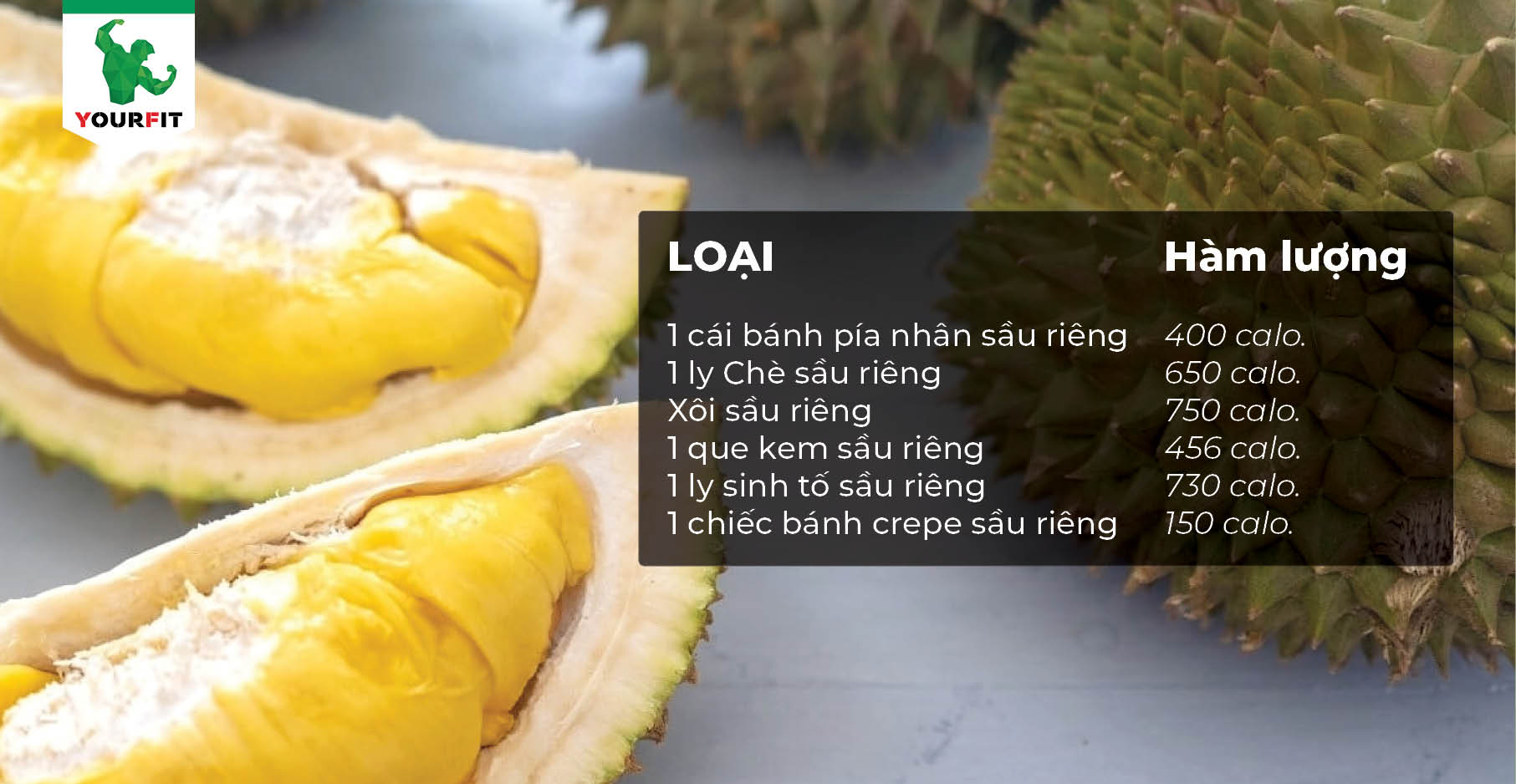
Durian flesh contains approximately 135–180 kcal per 100 g, depending on the variety. A 243 g portion of edible flesh may contain about 357 kcal. These figures refer to the flesh, not a whole fruit weighed with its heavy shell and seeds.
Durian-filled pastries, chè desserts, sticky rice, ice cream, smoothies and crêpes have different recipes and portion sizes. Sugar, cream, coconut milk, flour and sticky rice can increase the total considerably, so a serving of dessert should not be counted as plain fruit.
1.2. Main nutrients
- Vitamins and minerals: durian provides vitamin C, several B vitamins, potassium, magnesium and copper.
- Carbohydrate: contributes most of its energy, including natural sugars.
- Fiber: supports normal bowel function.
- Plant compounds: polyphenols and flavonoids add to its nutritional variety.
- Fat: durian contains some fat, unlike many other fresh fruits; portion size still matters.
- Other minerals: it contributes smaller amounts of iron, calcium and phosphorus, alongside other foods in the diet.
2. Nutritional benefits of durian

2.1. Vitamins and antioxidant compounds
Vitamin C and plant compounds contribute to normal nutrition. Enjoying durian as part of a varied diet is more realistic than expecting it to reverse aging or change skin pigmentation.
2.2. Heart-health context
Potassium is involved in normal blood-pressure regulation and muscle function. Durian can contribute to potassium intake, but it is not a treatment for cardiovascular disease.
2.3. Adding energy and variety
Its concentrated energy may be useful for people who need more calories, while its vitamins and minerals add variety. It should complement other foods rather than be relied on to prevent nutrient deficiencies.
2.4. Digestive health
Fiber supports normal bowel function. As with other foods, a very large serving may cause bloating or discomfort.
2.5. Pregnancy considerations
Durian can contribute nutrients, including some folate, within an appropriate diet. It does not replace prescribed supplements or individualized pregnancy advice. Portion and carbohydrate guidance matter if you are managing blood sugar.

3. How much durian should you eat?
3.1. Pay attention to the edible portion
One or two small bulbs may be a moderate serving, but bulbs vary greatly in size. Weighing the flesh is more reliable than counting pieces if you are tracking intake.
3.2. Balance the rest of the meal
Include vegetables, protein and other foods across the day. Consider durian as part of your meal or snack rather than automatically adding a large portion after a substantial meal.
3.3. Stay hydrated
Drink water regularly. Hydration supports normal body function, although it does not reduce the calories in durian.
3.4. Maintain regular physical activity
Walking, running, gym training or another activity you enjoy can support a sustainable routine. You do not need to exercise specifically to “burn off” a serving of fruit.

3.5. Fit it into a weight-management plan
Choose a smaller portion if you are reducing energy intake. Durian does not need to be automatically excluded from a training diet; account for its relatively high energy density.
4. What happens if you eat too much?
Large portions can add substantial calories and carbohydrate and may cause digestive discomfort. If you have kidney disease or a potassium restriction, ask your care team how durian fits your plan.
Alcohol brings its own health risks and is best considered separately from fruit choices. Avoid treating durian, or any food, as a way to make drinking safer.
If you notice symptoms after eating a particular food, pay attention to the pattern and seek advice when needed. A broad claim that durian causes “internal heat,” acne, diabetes or kidney failure is not a useful way to judge an individual serving.
5. Takeaway
Durian is an energy-dense fruit with useful nutrients. Enjoy a portion that suits your needs, distinguish plain flesh from rich desserts, and keep the rest of your eating pattern varied.
Compare it with jackfruit calories and serving ideas.