Coconut Water Calories, Nutrients and Serving Tips
See calories and nutrients in 240 ml of coconut water, plus advice on added sugar, portions, storage and individual dietary needs.
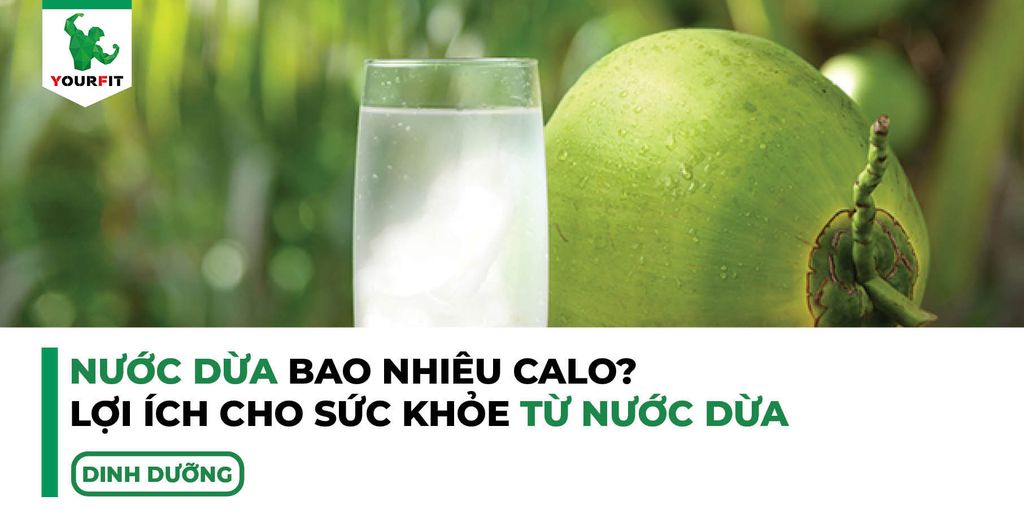
Coconut water is a refreshing, mildly sweet drink enjoyed across tropical regions. It usually needs no added sugar. Different coconut varieties and stages of maturity produce different amounts and compositions of water, so the size of the drink matters more than simply counting coconuts.
1. How many calories are in coconut water?

A 240 ml glass provides approximately 45–60 kcal. The following amounts are approximate; bottled products should be checked against their labels.
| Nutrient | Per 240 ml |
|---|---|
| Energy | 45–60 kcal |
| Carbohydrate | 9–11 g |
| Natural sugars | 6–8 g |
| Protein | 1–2 g |
| Fat | Approximately 0 g |
| Potassium | 400–600 mg |
| Magnesium | 15–24 mg |
| Calcium | 20–25 mg |
| Sodium | 25–30 mg |
| Phosphorus | 20–25 mg |
| Vitamin C | 2–4 mg |
Vitamins, electrolytes and plant compounds
Coconut water contains small amounts of B vitamins such as riboflavin, niacin and folate. Potassium and sodium are electrolytes involved in fluid balance and normal muscle function. It also contains plant compounds, including cytokinins, but their presence does not make the drink a treatment for illness or aging.
2. How coconut water can fit a balanced routine
2.1. Fluid and electrolytes
It contributes fluid and some electrolytes, and can be an enjoyable drink after activity. Its composition is different from a formulated sports drink or oral rehydration solution, so it should not be relied on to treat dehydration from illness.
2.2. Digestive comfort
Choose a quantity that feels comfortable. Coconut water is not a proven treatment for bloating, and large amounts may not suit everyone.
2.3. Heart and immune-related nutrients
Potassium and small amounts of vitamins contribute to normal nutrition. Enjoy coconut water as one part of a varied diet rather than as a way to lower blood pressure or prevent infection.
2.4. Calories and skin hydration
Unsweetened coconut water may provide fewer calories than many sugary drinks. Staying hydrated supports normal body function, but the drink does not promise weight loss, clearer skin or fewer wrinkles.
2.5. Blood-sugar considerations
It contains natural sugar. If you monitor carbohydrate intake, include the drink's serving in your plan and choose products without added sugar.
2.6. Magnesium and everyday nutrition
The magnesium it supplies contributes to normal muscle and nerve function. A glass should not be treated as a sleep or stress remedy.
2.7. Kidney and hydration context
Coconut water adds fluid, but it is not a detox drink. Its potassium content matters for anyone advised to limit potassium.

3. Can drinking a lot of coconut water cause weight gain?
A 240 ml glass contains about 45–60 kcal. Several large servings add up, even without added sugar. Whether that contributes to weight gain depends on your total energy intake.

Check bottled versions for added sugar and serving size. If you also eat the coconut flesh, count it separately: the flesh contains more fat and energy than the water.
4. Practical tips

4.1. Choose a moderate amount
A glass of about 240 ml is a useful starting serving. One or two glasses totaling roughly 240–500 ml may fit some diets, but there is no requirement to drink it daily. Individual fluid and potassium restrictions take priority.
4.2. Follow your digestive comfort
If a large drink on an empty stomach or near bedtime bothers you, change the portion or timing. There is no universal need to avoid coconut water at those times.
4.3. Respect allergies and individual conditions
Avoid it if you have a coconut allergy. If blood pressure or another condition affects your dietary choices, ask for advice specific to your situation.
4.4. Handle and store it safely
Fresh coconut water is best enjoyed soon after opening. Refrigerate promptly if keeping it, and follow storage instructions for packaged products. Unsweetened packaged coconut water can also be a convenient choice.
4.5. Do not use it to offset alcohol
Mixing coconut water into an alcoholic drink does not remove alcohol's effects or make the drink risk-free.
4.6. Pregnancy considerations
During pregnancy, choose safely handled drinks and follow any individual dietary guidance. Coconut water is optional, not a necessary supplement.
4.7. Consider the flesh separately
Coconut flesh can be enjoyed in a suitable portion, but its fat and calorie content differs from the water.
4.8. Ask about relevant restrictions
People with kidney disease or prescribed potassium or fluid limits should check suitability with their care team. The same applies when a condition or medication requires a specific eating plan.
5. Takeaway

Coconut water can be a refreshing drink with modest calories per glass. Choose an unsweetened version, keep track of the portion and account for any individual dietary restrictions.