Beef Phở Calories: What Is in a Bowl?
Explore calories and nutrients in a 500–600 g bowl of mixed beef phở, plus ways to balance noodles, meat, broth and extras.
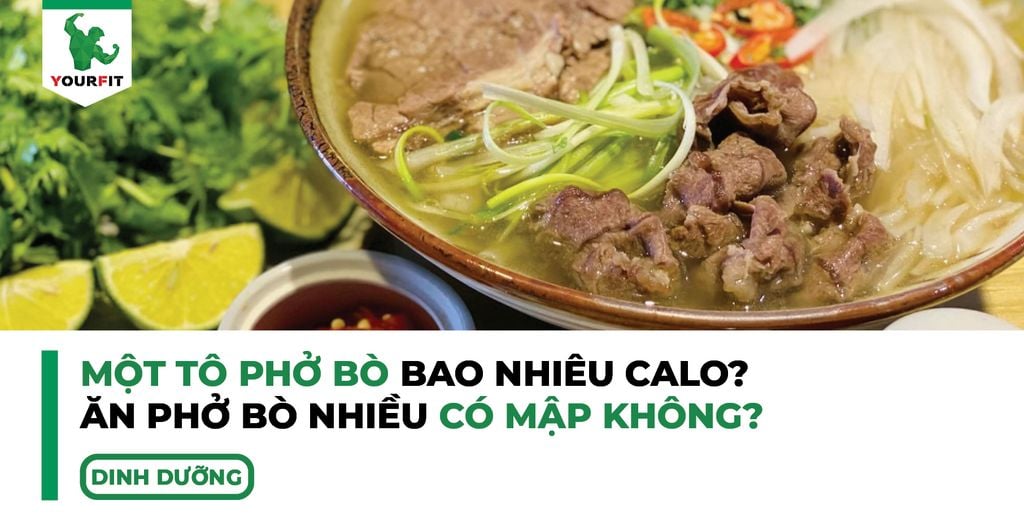
Beef phở is one of Vietnam's best-known dishes. Its clear, fragrant broth, soft rice noodles, beef and fresh herbs make it a familiar everyday meal and a symbol of Vietnamese cooking.
1. How many calories are in beef phở?
The broth is commonly simmered with beef bones, ginger, charred onion, cinnamon, star anise, black cardamom and fish sauce; recipes may include other traditional ingredients. Toppings can include sliced beef, brisket, fatty brisket, tendon or beef balls.

A mixed bowl weighing approximately 500–600 g, including noodles, broth, beef, tendon, beef balls and vegetables, may provide around 450–550 kcal. The following estimates vary with the recipe and topping quantities.
| Nutrient | Approximate amount per mixed bowl |
|---|---|
| Energy | 450–550 kcal |
| Carbohydrate | 50–60 g |
| Protein | 25–30 g |
| Fat | 10–15 g |
| Fiber | 3–5 g |
| Vitamin A | 100–200 IU |
| Vitamin B1 | 0.1–0.2 mg |
| Vitamin B2 | 0.2–0.3 mg |
| Vitamin B3 | 2–4 mg |
| Vitamin B6 | 0.3–0.5 mg |
| Vitamin B12 | 1.5–2 µg |
| Vitamin C | 5–10 mg |
| Vitamin E | 0.5–1 mg |
| Vitamin K | 10–20 µg |
| Iron | 2.5–3.5 mg |
| Zinc | 2–4 mg |
| Calcium | 30–50 mg |
| Magnesium | 15–25 mg |
| Phosphorus | 100–150 mg |
| Potassium | 250–350 mg |
| Copper | 0.1–0.2 mg |
| Sodium | 1,000–1,500 mg |
2. Nutritional benefits of beef phở
2.1. Carbohydrate and protein
Rice noodles provide energy, while beef provides protein for muscle maintenance and recovery.
2.2. Iron and blood-related nutrients
Beef supplies heme iron and vitamin B12, nutrients needed for normal blood function. Its contribution is useful within a varied diet.
2.3. A warm, aromatic meal
Ginger, cinnamon and star anise give the broth its distinctive aroma. Herbs and onions add flavor and some fiber, while individual digestive tolerance varies.
2.4. Immune-related nutrients
Beef supplies zinc, while lime and vegetables contribute vitamin C. These are among the nutrients involved in normal immune function.

2.5. Choosing leaner ingredients
Lean beef and a broth skimmed of excess fat can reduce the amount of fat in a bowl. Remember that a clear-looking broth may still contain substantial sodium.
2.6. Eating during recovery
A warm soup may be appealing when appetite is low. After illness or surgery, however, portion size, food safety and dietary restrictions should follow individual advice.
2.7. A satisfying combination
Protein, noodles and vegetables work together to make a substantial meal. The amount of each ingredient affects its balance and how full you feel.
3. Can frequent beef phở meals cause weight gain?
A bowl can fit within a balanced diet, but large portions and energy-dense extras may take intake above your needs. Noodles, fatty cuts, marrow, additional egg dishes and fried dough sticks all change the meal's total.

Choose the bowl according to your appetite and daily needs rather than treating all phở as either automatically slimming or fattening.
4. How to balance your bowl

4.1. Select the ingredients
Choose lean cuts such as tenderloin or shank if you prefer less fat. At home, skim excess fat from the broth and use a moderate noodle portion. When measuring noodles, be clear whether the weight is dry or prepared.
4.2. Add vegetables and herbs
Bean sprouts, sawtooth coriander, basil, spring onions and coriander add variety. Include a generous portion of vegetables rather than relying only on a small garnish.
4.3. Pick a comfortable bowl size
A smaller bowl can help if the standard serving is more than you need. Eat slowly and stop at comfortable fullness.
4.4. Moderate sauces and extras
Go lightly on additional fish sauce, salt and sugar. Fried dough sticks add oil and energy, so include them deliberately in the meal.
4.5. Keep meals varied
Enjoy phở alongside other dishes across the week. A varied routine gives you different vegetables, grains and protein sources.
4.6. Stay active
Walking, running or strength training can be part of a regular routine that supports health and weight management.
5. Takeaway

Beef phở offers carbohydrate, protein and several useful micronutrients. Bowl size, beef cuts, broth and extras determine how it fits your eating plan.
Compare another Vietnamese noodle dish in our guide to hủ tiếu calories and portions.