Beer Calories: A 330 ml Can and Health Considerations
Compare calorie estimates for a 330 ml beer and understand how alcohol, serving size and accompanying food affect intake and health.

Beer is enjoyed in many social settings and is also used in sauces, stews and baking. It is brewed from water, malted grain, hops and yeast: fermentation converts some of the grain sugars into alcohol and carbon dioxide.
Calories are only one part of understanding beer. Alcohol content, the amount consumed and health circumstances also matter.
1. How many calories are in a can of beer?
A 330 ml can may contain roughly 110–250 kcal, depending on the style and alcohol strength. Check the product label, because beers within the same style can differ considerably.
- Lager: usually light in flavor, often golden and crisp.
- Ale: often fuller in flavor, with fruity or herbal notes.
- Stout and porter: dark styles that may have coffee or chocolate notes.
- Wheat beer: often light-bodied, with gentle sweetness or tartness.
- IPA: a hop-forward style with a pronounced aroma and often a bitter finish.

| Style | Approximate calories per 330 ml | Carbohydrate | Protein |
|---|---|---|---|
| Lager | 110–150 kcal | 10–13 g | 1–2 g |
| Ale | 150–220 kcal | 12–18 g | 1.5–2.5 g |
| Wheat beer | 150–180 kcal | 12–15 g | 1–2 g |
| IPA | 200–250 kcal | 15–20 g | 2–3 g |
These are broad comparisons across products, not a formula for one specific beer. Beer usually contains little or no fat, but alcohol contributes energy in addition to carbohydrate.
Other nutrients
Small amounts of B vitamins, including riboflavin, niacin and folate, may be present. Typical mineral estimates per 330 ml vary by style:
- Lager: approximately 50 mg potassium and 15–20 mg magnesium.
- Ale: approximately 50–80 mg potassium, 15–25 mg magnesium and 30 mg phosphorus.
- Wheat beer: approximately 50–100 mg potassium, 10–20 mg magnesium and 20–30 mg phosphorus.
- IPA: approximately 70–100 mg potassium, 10–20 mg magnesium and 25–40 mg phosphorus.
Beer may also contain small amounts of silicon and plant compounds from grain and hops. These do not make it an appropriate way to meet nutritional needs.
2. Beer and health: putting possible benefits in context
2.1. Heart health
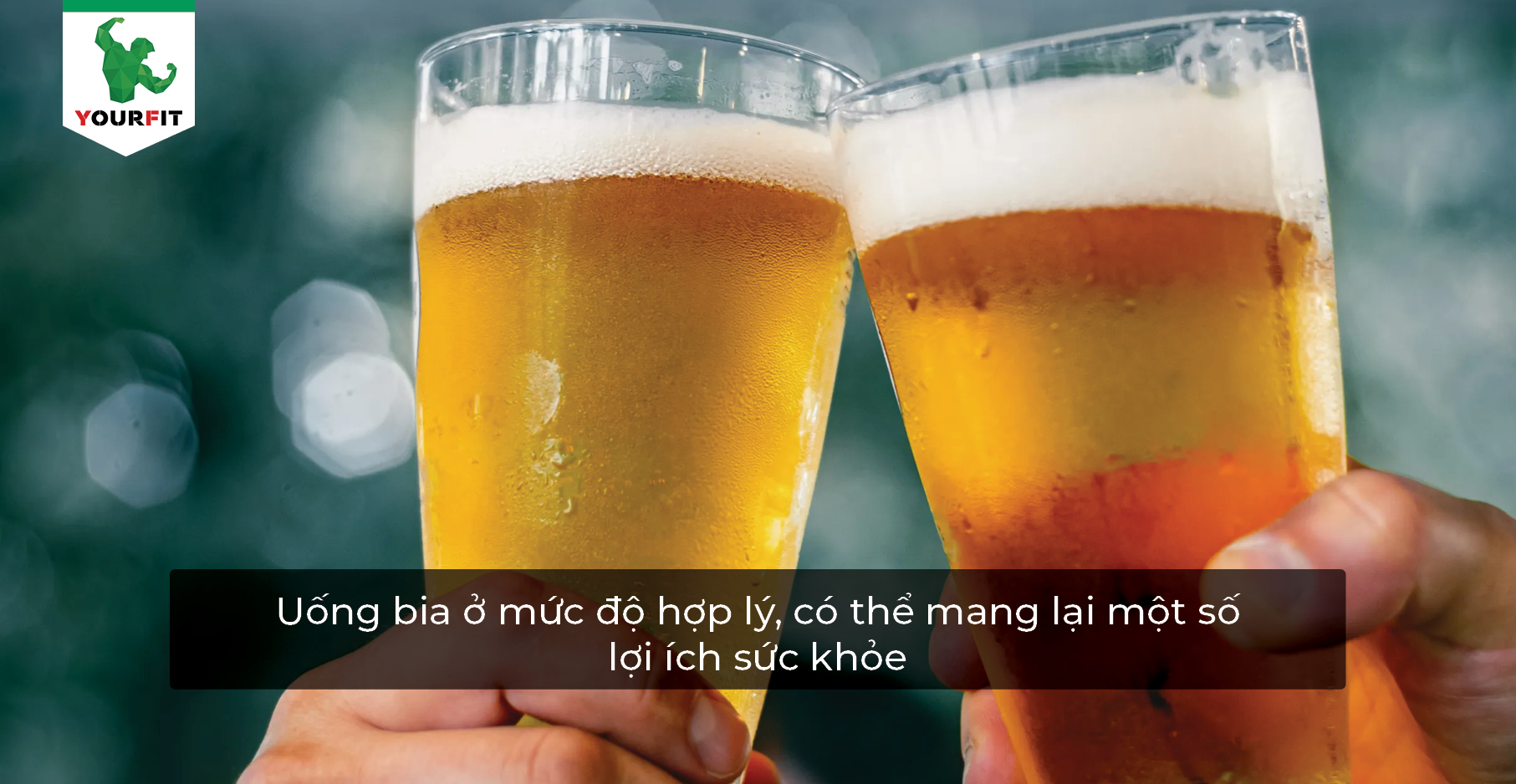
Beer should not be used to improve cardiovascular health. According to the World Health Organization, evidence does not establish that possible cardiovascular benefits of light or moderate drinking outweigh alcohol-related cancer risk.
2.2. Bone nutrition
The presence of silicon is not a reason to drink beer for bone health. A varied diet and appropriate activity are more useful foundations.
2.3. Digestive comfort
Fermentation does not make beer a treatment for digestion or a substitute for fiber-rich foods. Alcohol and carbonation may be uncomfortable for some people.
2.4. Blood-sugar considerations
Do not start drinking beer to prevent diabetes. Alcohol can complicate blood-sugar management, particularly alongside some medicines.
2.5. Antioxidant compounds
Grain and hops provide some polyphenols, but their presence does not cancel alcohol's risks. The World Health Organization advises that no amount of alcohol is free of health risk; drinking less lowers risk.
3. Can drinking beer regularly contribute to weight gain?
It can, particularly when it adds calories on top of your usual meals. The energy in several cans quickly adds up, and drinking may accompany larger portions of fried or energy-dense food.
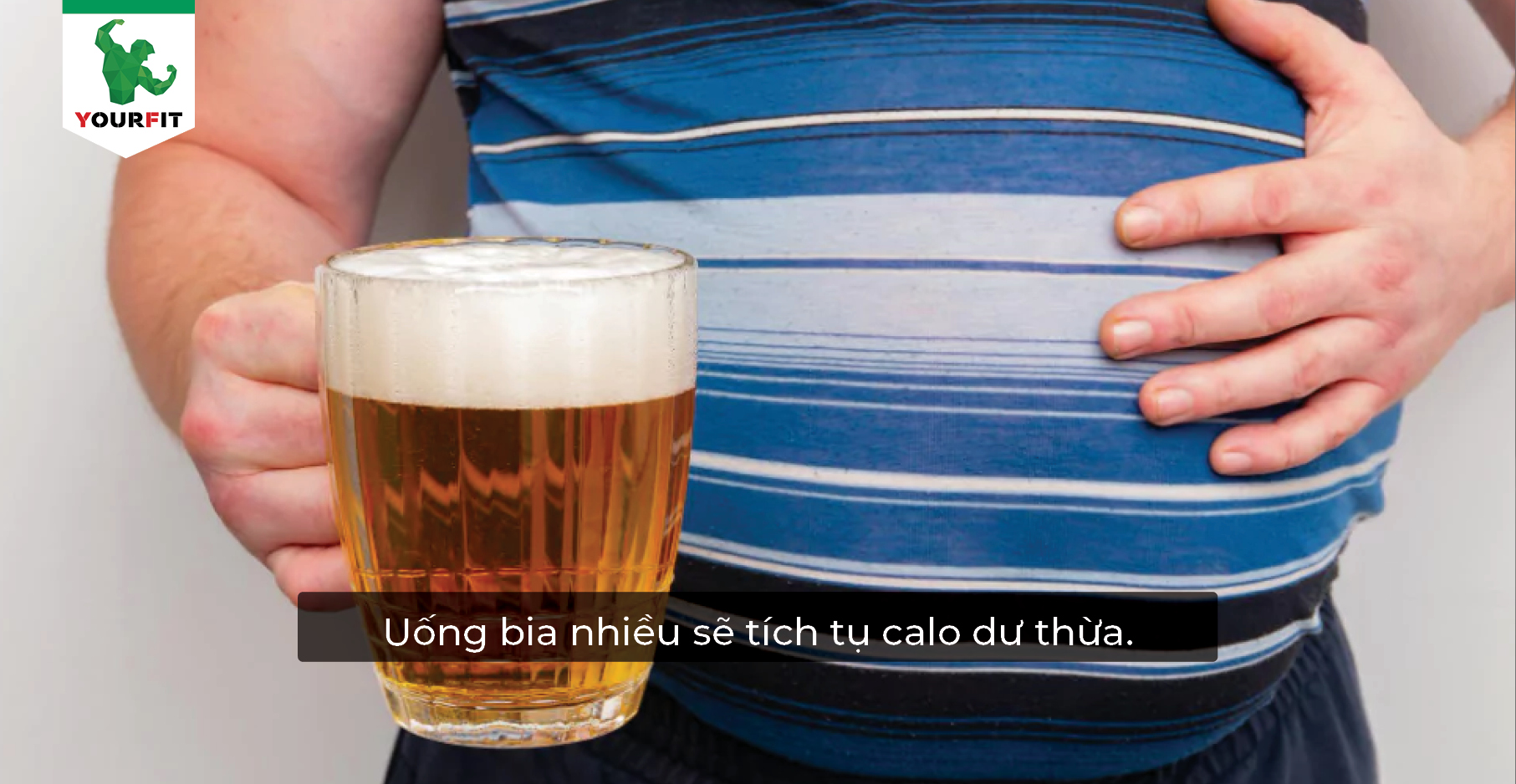
The body prioritizes processing alcohol, and drinking can affect appetite, sleep and activity routines. Weight management therefore involves both the drink itself and the habits around it.
4. Practical considerations
4.1. Keep the amount in perspective
There is no daily quantity that guarantees safety. Avoid treating a daily allowance as a target, and do not start drinking for a supposed health benefit.
4.2. Do not rely on food to make drinking safe
Eating before or while drinking can slow absorption, but it does not remove alcohol or its effects.
4.3. Drink water too
Water can help maintain hydration, but it does not sober you up or cancel alcohol's risks.
4.4. Never combine drinking with driving or machinery
Alcohol impairs attention and reaction time. Arrange a non-driving way home and avoid operating machinery after drinking.

4.5. Include drinks in your energy intake
Consider the can size, strength and accompanying snacks when assessing calories. A large or strong beer is not equivalent to a small, lower-strength one.
4.6. Consider existing conditions and medicines
If you have liver disease, cardiovascular problems, diabetes or take medication, ask your healthcare professional about alcohol. Some circumstances require avoiding it entirely.
5. Takeaway
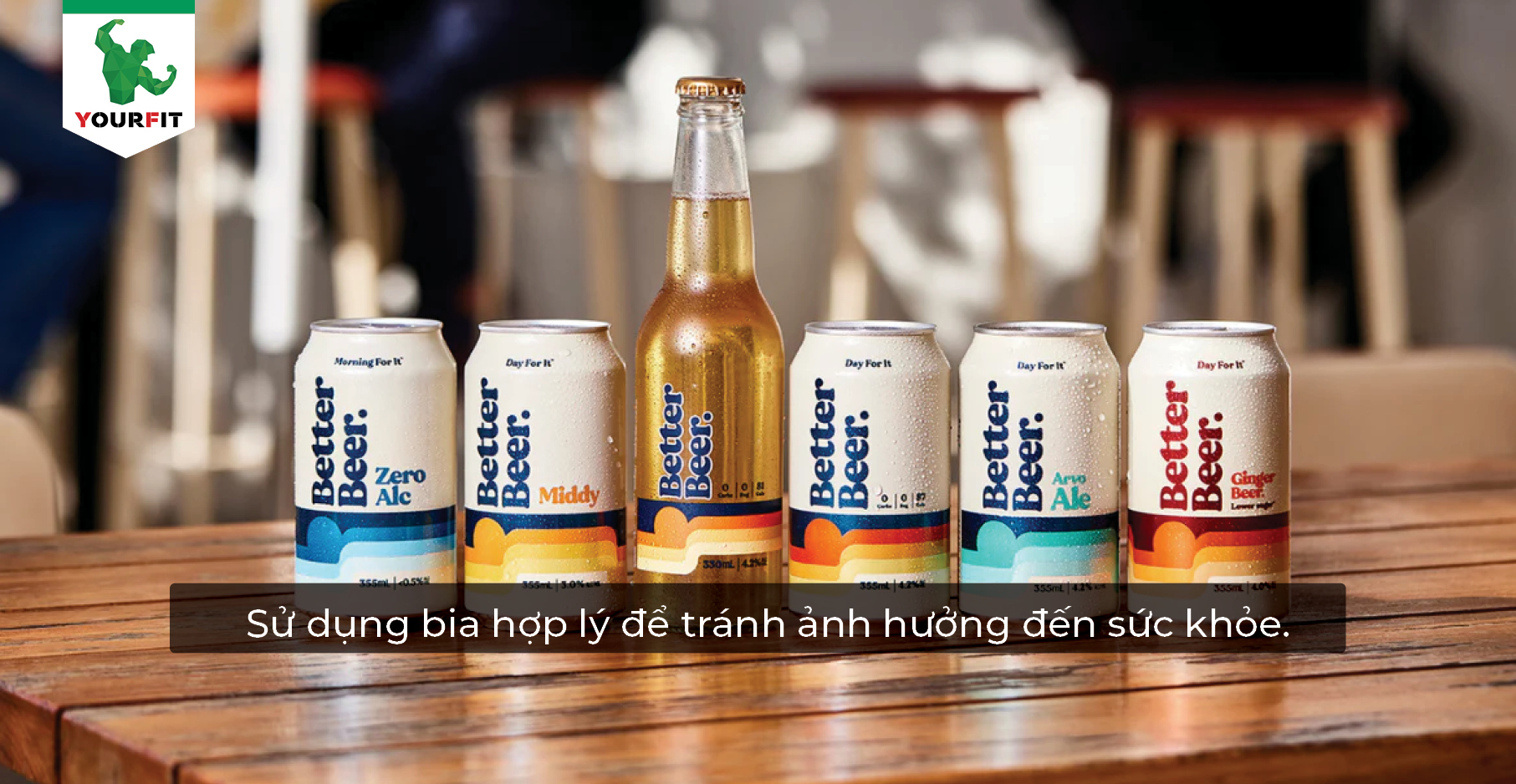
A 330 ml beer's calories vary with the recipe and alcohol strength. Nutrients in beer do not outweigh the need to consider alcohol-related health risks.