Lương Khô Calories: Compact Ration Bars and Portion Tips
Learn what Vietnamese compact ration bars provide per 100 g, when they are useful, and how to fit them into a balanced eating pattern.
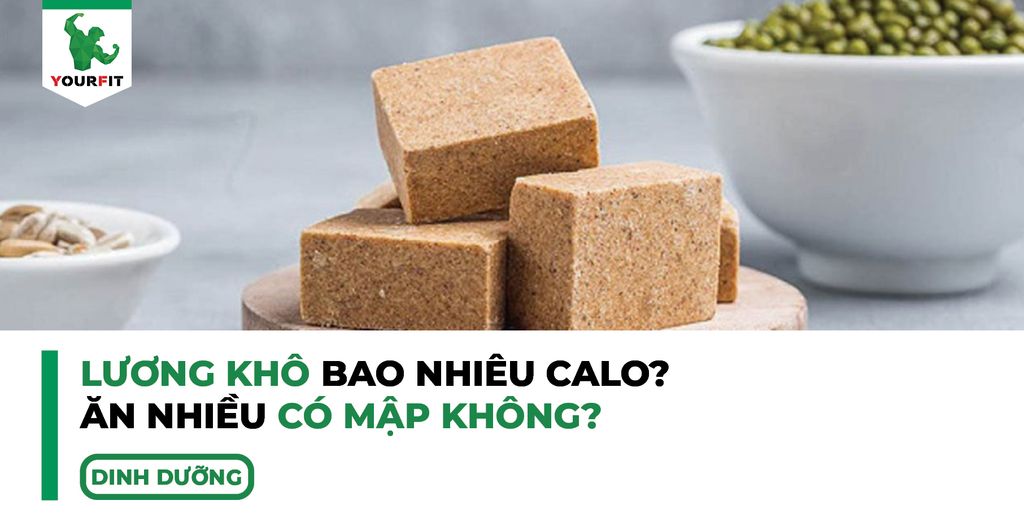
Lương khô are compact, dry ration bars developed for situations where preparing a meal is difficult. Familiar from military supplies, they are now used for travel, hiking, emergency food stores and busy days. New varieties offer flavors such as cocoa, black sesame and oats, with some products adding fiber or reducing sugar.
1. How many calories are in lương khô?

These bars usually combine energy-dense ingredients such as wheat flour, sugar, vegetable oil and milk powder. A typical 100 g portion provides approximately the following amounts, although the package label is the best guide to a particular product.
| Nutrient | Per 100 g |
|---|---|
| Energy | 400 kcal |
| Carbohydrate | 60 g |
| Protein | 8 g |
| Fat | 15 g |
| Fiber | 2 g |
| Sugars | 12 g |
| Sodium | 200–300 mg |
2. When are compact ration bars useful?
2.1. Readily available energy
Their carbohydrate and fat provide a concentrated source of energy when a normal meal is unavailable or you need a convenient snack.
2.2. Portability and storage
The compact size makes them easy to pack. Many products keep for around 6–12 months, but always follow the expiry date and storage instructions on the package.
2.3. Emergency supplies
Ration bars are practical when cooking facilities are unavailable during travel, power cuts or emergencies. Plan enough food and water for the situation rather than assuming one small bar meets a whole day's needs.

2.4. Extra energy for demanding activity
Hikers, athletes and people doing physical work may find them useful as an additional snack when energy needs are high.
2.5. Different nutritional formulations
Some products include added vitamins, minerals, fiber or protein. Compare labels to find a product that fits your needs.
2.6. Options for weight management
Lower-sugar or lower-fat versions can fit a planned snack. The portion and total calories still matter, even when the product has a health-focused label.
3. Can eating many ration bars cause weight gain?

Yes, frequent large portions can push energy intake above your needs. Depending on the recipe, 100 g may provide around 350–500 kcal. Flour, sugar and fat make the bars compact and energy-dense, so a small-looking amount can contribute substantial calories.
Many varieties contain little fiber and do not provide the range of nutrients found in a complete meal. Relying on them too often can also reduce dietary variety.
4. How to make good use of lương khô

4.1. Pair them with other foods
Fruit or vegetables add fiber and micronutrients. Yogurt can add protein; almonds or walnuts add texture and unsaturated fats. Choose amounts that fit the whole snack.
4.2. Use them as a convenient snack
A bar can bridge the gap between meals or provide extra energy during a long journey, physical work or exercise. It need not replace regular balanced meals.
4.3. Keep them for situations where convenience matters
Hiking, camping, travel and emergency supplies are useful examples. Store them dry and check packaging before eating.
4.4. Try different ways of serving them
Crush a portion into warm milk and add a little chia seed if desired. Alternatively, break it into oatmeal or porridge with a small amount of dried fruit or grated coconut. Honey and other additions increase the energy content.
4.5. Avoid eating straight through a large pack
Set out a portion and keep drinking water regularly. Water helps with hydration, but does not replace the fiber missing from an otherwise limited diet.
4.6. Compare products
Look at protein, fiber, added nutrients, sugar and saturated fat. Choose a formulation and serving size suited to your usual diet.
5. Takeaway

Lương khô are useful because they are portable, shelf-stable and concentrated in energy. Use those strengths when you need them, while keeping portions and dietary variety in mind.