Papaya Calories and Simple Ways to Enjoy It at Home
Learn the calories in fresh papaya, its nutritional role and practical serving ideas, including a smoothie, yoghurt bowl and Vietnamese salad.
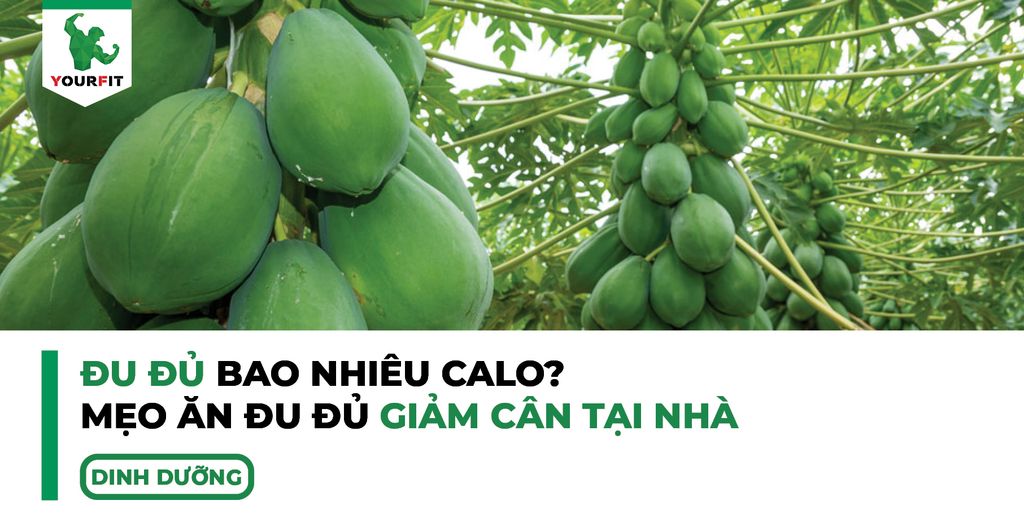
Papaya is a popular tropical fruit with a soft texture, gentle sweetness and appealing colour. Whether you train at the gym or are planning meals for weight management, it helps to understand the portion and what you add to it.
YourFit explores fresh papaya calories, its nutritional contribution and three simple serving ideas.
1. Nutrition in papaya
1.1. How many calories does papaya contain?

A 100 g portion of fresh papaya flesh provides approximately 43 kcal. This refers to the edible flesh, without skin or seeds.
A smoothie, salad, juice or dried papaya snack has a different serving basis and may contain additional ingredients. Milk, yoghurt, dressing, sugar and drying all change the calorie concentration. Compare the actual recipe or product label rather than applying the fresh-fruit value to every papaya dish.
1.2. What nutrients does it provide?
Papaya supplies carbohydrate, naturally occurring sugars, fibre and water, with little fat or protein. It also contributes vitamin C, carotenoids associated with vitamin A, folate and minerals including potassium and magnesium. Beta-carotene, lycopene and other plant compounds add to its nutritional variety.
Ripe papaya and unripe green papaya differ in texture, preparation and latex content. Use each for an appropriate dish rather than treating them as interchangeable.
2. How papaya contributes to a balanced diet
2.1. Weight management and digestion
Whole papaya adds fibre and water with relatively few calories. It can make a satisfying fruit portion and help support regular bowel function. Weight change still depends on the overall diet and energy needs.
2.2. Antioxidant compounds
Beta-carotene, lycopene and flavonoids are among the plant compounds in papaya. Vitamin C also contributes to antioxidant protection and normal immune function. These are reasons to include varied fruit, rather than promises that one food prevents cancer.
2.3. Heart-supportive nutrition
Potassium contributes to normal blood pressure regulation, while fibre and other micronutrients contribute to a varied eating pattern.
2.4. Skin nutrition
Vitamin C is required for normal collagen formation. Carotenoids also contribute to the diet, but eating papaya does not replace sun protection or skin treatment.

2.5. Papain and digestive enzymes
Papaya contains papain, an enzyme that breaks down protein and is more concentrated in unripe fruit and latex. This does not make a portion of papaya a treatment for swelling, injury or arthritis.
3. When individual advice matters
Pregnancy: ripe fruit and latex-rich unripe papaya are different. Ask your maternity professional about green or partially ripe papaya and avoid using papaya latex or concentrated preparations on your own.

Kidney stones: follow advice based on the type of stone and your overall diet. Concerns about high-dose vitamin C supplements should not be automatically applied to ordinary fruit portions.
Low blood glucose: papaya contains carbohydrate. If you have recurring hypoglycaemia or use glucose-lowering medicine, follow your established plan and seek advice about unexplained symptoms rather than assuming the fruit is the cause.
Heart rhythm concerns: use the dietary guidance provided for your particular condition and medicines. A blanket claim that ripe papaya causes arrhythmia is not a sound basis for avoiding it.
4. Practical papaya ideas for weight-management meals
4.1. Pick a convenient time
Papaya can accompany breakfast or serve as an afternoon snack. It can also fit other meals. If eating late affects your sleep or digestion, use a comfortable portion; the time alone does not determine fat gain.
4.2. Choose a suitable portion
Use a fruit portion that fits your appetite and the rest of the day's food. Very large amounts may cause digestive discomfort and crowd out other nutrients. There is no need to eat a large fixed daily quantity to obtain benefits.
4.3. Try simple preparations

Papaya smoothie: wash and peel ripe papaya, remove seeds and cut the flesh into pieces. Blend with water or unsweetened milk and ice, then serve. The milk and portion determine the drink's full nutrition.
Papaya with yoghurt: mix ripe papaya pieces with plain unsweetened yoghurt. Enjoy immediately or cover and refrigerate until serving.
Vietnamese papaya salad: peel and shred papaya and carrot. Toss with dried shrimp and coriander. Mix fish sauce, a little sugar, lime and chilli for the dressing, pour over and toss. Serve fresh, using hygienically prepared ingredients and an amount of dressing you enjoy.
5. Takeaway
Fresh papaya provides about 43 kcal per 100 g and can fit a varied eating pattern. YourFit encourages you to choose appropriate portions, consider added ingredients and enjoy it alongside other foods that support your needs.