Jicama Calories, Nutrition and a Crunchy Vietnamese Salad
Discover jicama nutrition per 100 g, safe preparation tips and a crisp salad with carrot, cucumber, herbs and lime dressing.
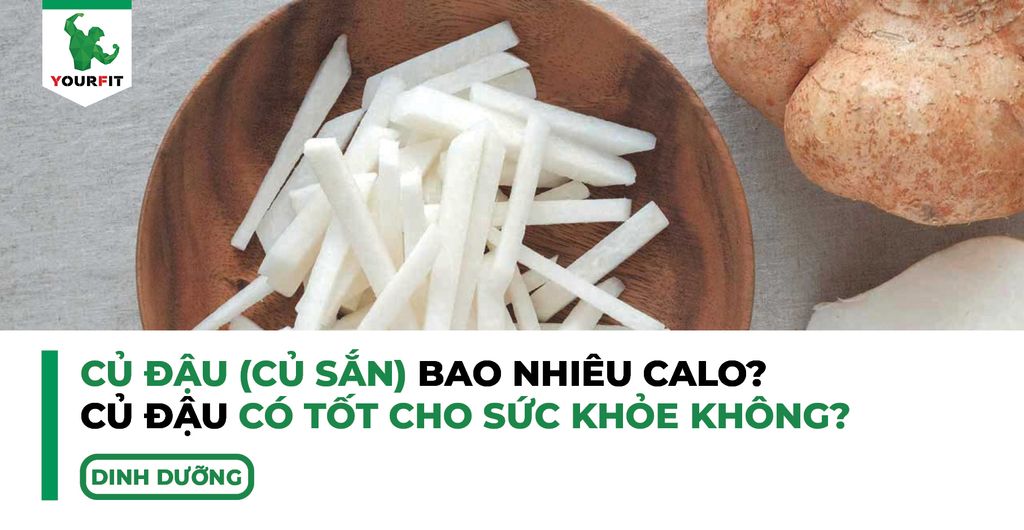
Jicama, called củ đậu or củ sắn in different parts of Vietnam, is an edible root with a mild sweetness and a crisp, juicy texture. Popular in tropical regions, especially Southeast Asia, it can be refreshing on its own or add crunch to a meal.
YourFit explores its calories, nutritional contribution and a simple Vietnamese-style salad.
1. How many calories are in 100 g of jicama?

The root is round or slightly flattened, with pale yellow-brown skin and white flesh. The following values are approximate and refer to 100 g of peeled edible root.
| Nutrient per 100 g | Approximate amount |
|---|---|
| Energy | 35 kcal |
| Water | 90–92 g |
| Carbohydrate | 8–9 g |
| Fibre | 1.8–2 g |
| Protein | 0.72–1 g |
| Fat | 0.1–0.2 g |
| Vitamin C | 20 mg |
| Potassium | 150–200 mg |
| Calcium | 10–15 mg |
| Magnesium | 10 mg |
| Phosphorus | 15–20 mg |
| Iron | 0.6 mg |
Jicama also contains folate. Values vary with variety and growing conditions.
2. Nutritional benefits of jicama
2.1. Digestive support
Its fibre contributes to bowel regularity and provides material that gut bacteria can use. Increase fibre gradually if large servings cause discomfort.
2.2. A refreshing, water-rich food
With a high water content, jicama can feel particularly refreshing in warm weather. It contributes to fluid intake alongside drinks and other foods.
2.3. Immune function
Vitamin C contributes to normal immune function and collagen formation, including the maintenance of body tissues.
2.4. Heart-supportive nutrition
Potassium and fibre are useful parts of a varied eating pattern that supports cardiovascular health.
2.5. Weight-management meals
Its water, fibre and relatively low energy density can add volume to a snack or meal. This may help with fullness when jicama replaces a more energy-dense option.

2.6. Skin nutrition
Vitamin C is involved in normal collagen formation and antioxidant protection. These nutritional roles do not make jicama a treatment for pigmentation.
2.7. Bone nutrients
Jicama contributes small amounts of calcium, magnesium and phosphorus. Other foods are still needed to meet the body's full requirements.
2.8. Blood glucose considerations
Jicama contains carbohydrate along with fibre and water. If you monitor blood glucose, include the portion within your individual eating plan.
2.9. Hydration and normal body function
Water-rich foods complement regular drinking. Your body relies on its normal liver and kidney functions to handle waste; jicama does not need to be used as a detox food.
2.10. A modest source of energy
Its naturally occurring carbohydrate provides some energy. Because it is low in protein and fat, jicama alone is not a complete meal.
3. Safe and practical ways to eat jicama
3.1. Eat only the peeled root
Do not eat the plant's leaves, seeds or other non-root parts, which contain toxic compounds. Remove the skin and use the edible flesh.
3.2. Avoid an uncomfortable amount
A very large serving can cause bloating or digestive discomfort. Choose a portion you tolerate, especially if you have a sensitive gut.
3.3. Account for carbohydrate
People managing diabetes can consider jicama within their usual carbohydrate plan. Individual response and serving size remain relevant.
3.4. Pair it with other foods when hungry
Jicama can fill the stomach without supplying much protein, fat or total energy. If you need a substantial snack, combine it with other foods.

3.5. Keep main meals balanced
Do not replace a full meal with only jicama. Include protein, suitable carbohydrate and fat sources, and a variety of vegetables.
3.6. Respect individual restrictions
If kidney disease requires a specific fluid or potassium plan, fit jicama into that advice. If chilled or raw vegetables cause discomfort, try a smaller serving or a cooked preparation.
3.7. Choose fresh roots
Avoid shrivelled, rotten or unusually smelling roots. Wash the outside before peeling and use clean utensils.
3.8. Prepare it carefully
Wash, peel and handle raw jicama hygienically. When cooking, use an amount of oil suited to the rest of the meal.
4. Recipe: jicama, carrot and cucumber salad

Ingredients
- 1 jicama, about 200 g, peeled and shredded
- 1 carrot, peeled and shredded
- 1 cucumber, washed, deseeded and shredded
- A handful of coriander, basil or other herbs
- Juice of half a lime
- 1–2 teaspoons sugar or honey
- 1 teaspoon fish sauce, or soy sauce for a vegetarian version
- 1 chilli, sliced, optional
- A little roasted peanut, crushed
Method
- Put the shredded jicama, carrot and cucumber in a large bowl. Wash and chop the herbs.
- Mix lime juice, sugar or honey, fish sauce or soy sauce, and optional chilli until the sugar dissolves.
- Pour the dressing over the vegetables and toss evenly.
- Add herbs and roasted peanuts and mix gently to retain the crunch. Serve immediately.
5. Takeaway

Jicama is a crisp, water-rich ingredient that can add fibre and variety to meals. YourFit encourages safe preparation of the peeled root and balanced portions alongside other nutritious foods.