Bananas in a Balanced Diet: Calories, Portions and Nine Serving Ideas
Find practical ways to enjoy bananas, understand their calories and nutrients, and build balanced snacks and meals around this convenient fruit.
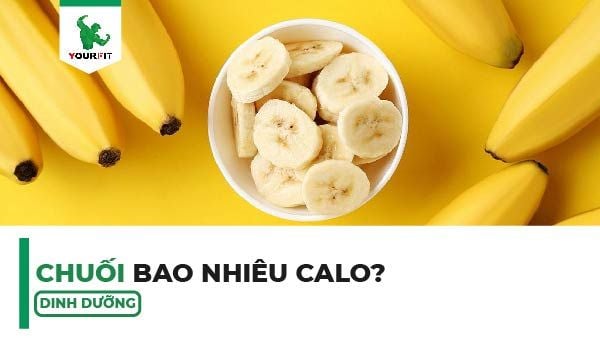
Bananas are loved for their natural sweetness, soft texture and convenience. They appear in everyday meals around the world, from quick snacks to smoothies and baked dishes. Alongside carbohydrate, they supply fibre and several vitamins and minerals.
This YourFit guide looks at the energy in a banana, its place in a varied diet and ways to serve it that keep meals interesting.
How much energy does one banana provide?

For a medium banana containing approximately 118 g of flesh, the energy content is about 105 kcal. The edible weight, rather than the weight with the peel, is the relevant measure.
| Edible portion | Approximate calories |
|---|---|
| Small banana, 101 g | 90 kcal |
| Medium banana, 118 g | 105 kcal |
| Large banana, 136 g | 121 kcal |
That makes a banana a practical source of carbohydrate before physical activity or as a snack between meals. It is easy to carry, requires no cooking and contributes potassium, vitamin C and vitamin B6 as well as energy.
Nutritional roles of bananas
1. Fuel for an active day

The carbohydrate in bananas gives the body fuel for movement. A ripe banana may be convenient before a workout, especially if you prefer a small snack to a large meal.
It can also contribute carbohydrate after exercise. If the session calls for a recovery meal, combine the banana with a protein source and other foods rather than expecting the fruit alone to cover every need. Drinks and meals together help replace fluid and nutrients after sweating.
For travel, work or study, the same portability makes bananas a straightforward option when you have little time to prepare food.
2. Fibre and gut health

Pectin and other fibre components support normal bowel function. Some banana carbohydrates can be fermented by gut bacteria, and the balance of starch and sugars changes as the fruit ripens. Choose the ripeness and amount that feel comfortable for you.
3. Potassium and heart health

Bananas provide potassium, which has a role in normal blood pressure regulation. Their plant compounds include catechins and dopamine with antioxidant activity. These contributions fit within a broader pattern of varied fruit and vegetables.
4. Muscle function

Potassium and magnesium are involved in normal muscle function. Although bananas are often associated with avoiding cramps, cramps can arise for several reasons. They are one possible food in an athlete's diet, not a guaranteed solution.
5. Nervous system support

Vitamin B6 supports normal nervous system processes, including neurotransmitter production. Bananas also contain a little tryptophan. Balanced nutrition contributes to wellbeing, while persistent mood or sleep problems require their own attention.
6. Vitamin C

The vitamin C in bananas contributes to normal immune function and antioxidant protection. Other fruits and vegetables add further vitamin C and different nutrients.
7. Nutrients for skin and hair

Vitamin C contributes to collagen formation, and a sufficient, varied diet supports normal tissues. A banana can form part of that diet without being expected to directly brighten skin or change hair texture.
8. A useful snack for appetite

Whole fruit combines fibre, water and energy in a convenient portion. If it replaces a more energy-dense snack, a banana may help you manage intake while still enjoying something sweet.
9. Bone nutrition

Bananas supply some magnesium, a nutrient involved in normal bone function. Bone health also relies on adequate calcium, protein, vitamin D and other factors, so keep the full diet varied.
Fresh, blended or included in a recipe, bananas are versatile and widely available. Their soft flesh suits many people when served in an age-appropriate form, making them easy to include across different meal routines.
Will eating bananas make you gain weight?

A banana does not determine your weight on its own. Weight changes over time reflect the relationship between total energy intake and needs, alongside other individual factors.
1. Count the portion in the full day
About 105 kcal in a medium banana comes mainly from carbohydrate, including naturally occurring glucose, fructose and sucrose. That energy can be useful around activity. Include it in your overall intake rather than labelling the fruit as automatically fattening.
2. Use fibre to build satisfying snacks
Fibre contributes to fullness and normal digestion. A banana may help bridge the gap between meals, especially when combined with yoghurt or another filling ingredient. How long it satisfies you will depend on the person and the rest of the snack.
3. Keep meals balanced
Bananas can be eaten regularly within a varied diet. They provide useful nutrients, but do not replace the protein, fats and other nutrients supplied by different foods.
4. Respond to appetite without relying on one food
If you want a sweet snack, a banana can be a practical choice. If you are hungry for a main meal, build a fuller plate rather than using several bananas as the only food.
Building balanced banana meals and snacks

Combine complementary ingredients
Protein foods such as yoghurt, beans or lean meat across your meals help meet muscle and tissue needs. Peanut butter or chia seeds add fat and texture to a banana snack. Oats and quinoa contribute wholegrain carbohydrate and fibre.
Choose an amount that fits
One or two bananas in a day may work for some people, depending on size and appetite. This is an example, not a rule. Consider the other fruits and foods in your day and adjust the amount to your activity and needs.
Eat a range of produce
Apples, oranges, strawberries, spinach and broccoli are examples of other foods that bring different nutrients and flavours. Rotating produce keeps meals varied.
Pay attention to how you feel
Your appetite and energy needs can change with activity. Add a range of foods when you need more fuel, and choose portions that leave you comfortably satisfied.
Nine serving ideas
1. Fresh banana
Peel and eat it as it is, or slice it over oats or a fruit salad for sweetness and texture.
2. Banana smoothie
Blend with yoghurt, almond milk or coconut water. Add another fruit or a handful of spinach if you enjoy the flavour, keeping the complete drink's portion in mind.
3. Banana pancakes
Use mashed banana in a pancake recipe to contribute sweetness and moisture. Follow a recipe designed for the substitution so the batter cooks properly.
4. Baked banana
Warm banana with a little cinnamon. A small drizzle of honey is optional; the fruit already has its own sweetness.
5. Banana and peanut butter
A modest amount of peanut butter adds flavour, protein and fat, making a more substantial snack.
6. Chè chuối
Make the Vietnamese dessert with banana, coconut milk and tapioca. Coconut milk adds richness and energy, so serve an amount that fits the rest of the meal.
7. Breakfast cereal
Add slices to a bowl of cereal for extra flavour and carbohydrate. Pair with milk or yoghurt according to your preferences.
8. Frozen banana
Freeze peeled banana pieces for later blending into a soft frozen dessert. Let the texture suit the person eating it.
9. A simple fruit dessert
Top sliced banana with yoghurt or a small amount of honey for an easy finish to a meal.
Takeaway
Bananas offer convenient energy, fibre and nutrients, with the size of the serving determining its calories. YourFit encourages you to combine them with other foods and choose portions suited to your appetite.
Regular activity, varied meals and a routine you can maintain support fitness and wellbeing. You can leave room for bananas and other favourite foods while working towards your goals.