How Many Calories Are in a Banana? A Guide by Size
Compare banana calories by edible weight, explore their nutrients and learn practical ways to include bananas in snacks, meals and training routines.
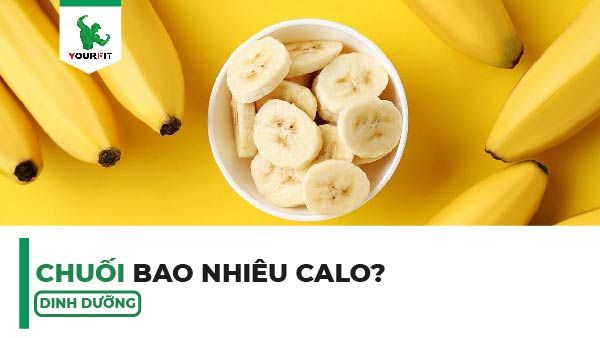
Sweet, soft and easy to eat, bananas are among the world's most familiar fruits. They work as a simple snack and as an ingredient in breakfasts, smoothies and desserts. Their convenience is matched by a useful combination of carbohydrate, fibre, vitamins and minerals.
How many calories does one banana provide, and does eating bananas lead to weight gain? YourFit explains what portion size means and how this fruit fits into everyday meals.
Calories in one banana

A medium banana with about 118 g of edible flesh contains approximately 105 kcal. Larger fruit provides more energy; the weights below exclude the peel.
| Banana size | Edible weight | Approximate energy |
|---|---|---|
| Small | 101 g | 90 kcal |
| Medium | 118 g | 105 kcal |
| Large | 136 g | 121 kcal |
A banana is a convenient snack before activity because its carbohydrate is easy to eat and supplies fuel. It also contributes potassium, vitamin C and vitamin B6. The peel makes it portable, and little preparation is needed.
What nutrients do bananas offer?
1. Convenient energy

Bananas contain carbohydrate, including naturally occurring sugars, that the body can use during physical activity. Many people find them a practical snack before a workout when they want something small and familiar.
After training, a banana can help replenish carbohydrate. Pair it with a protein-containing food when you need a more complete recovery snack, and drink according to your needs. Potassium contributes to normal muscle function, but one fruit does not replace every electrolyte lost through sweat.
Because bananas are portable and ready to eat, they also suit busy schedules and days spent away from home.
2. Fibre for digestion

Bananas contain fibre, including pectin, that supports normal bowel function. Some of their carbohydrate can also be used by beneficial gut bacteria. Ripeness changes their starch content and can affect how they feel to digest.
3. Heart-supportive nutrients

Potassium contributes to normal blood pressure regulation. Bananas also contain plant compounds such as catechins and dopamine that have antioxidant activity. Enjoy them as part of a varied, heart-supportive eating pattern.
4. Muscle function and cramps

Bananas provide potassium and some magnesium, both relevant to normal muscle function. Exercise-related cramps have several possible causes, so a banana cannot guarantee prevention. Training load, hydration and individual circumstances also matter.
5. Nervous system nutrition

Vitamin B6 has roles in the production of neurotransmitters. Bananas also contain a small amount of tryptophan. These are nutritional contributions, rather than a treatment for stress, depression or sleep problems.
6. Immune function

Vitamin C contributes to normal immune function and antioxidant protection. Different fruits and vegetables help provide a broader range of nutrients.
7. Skin and hair nutrition

Vitamin C is involved in normal collagen formation, and adequate overall nutrition supports skin and hair. Bananas can contribute to that pattern without being a cosmetic treatment.
8. Weight-management meals

A portion of whole fruit provides both energy and fibre. It can be a satisfying alternative to a larger, more energy-dense snack, depending on what you would otherwise eat.
9. Bone nutrition
The magnesium in bananas contributes to normal bone function. Include other foods that supply calcium, protein and the rest of the nutrients needed for bone health.
Bananas offer flexibility: eat them fresh, blend them, or include them in baking and desserts. They are widely available, and their soft texture is convenient for many ages when served appropriately.
Do bananas cause weight gain?

Like other foods, bananas contribute calories. They do not automatically cause weight gain; the important question is how your overall intake compares with your needs over time.
1. Energy and calories
A medium banana supplies about 105 kcal, mostly from carbohydrate, including glucose, fructose and sucrose. This can be useful fuel for an active day. Fit the portion into your wider meal pattern.
2. Fibre and fullness
Fibre can help make a snack satisfying and support appetite between meals. Eating a banana may reduce the desire for another snack for some people, though appetite responses differ.
3. Dietary balance
Bananas provide useful nutrients when included among varied foods. Eating them regularly does not by itself determine your weight.
4. Responding to hunger
A banana can be part of a planned snack, but it is not a nutritionally complete replacement for every main meal. Add other foods when you need a more substantial meal.
How to include bananas in a balanced diet
Bananas do not supply everything the body needs. Pairing them with other foods helps build a more complete meal or snack.
Combine food groups
- Protein: include yoghurt, beans or other protein foods across the meal pattern to support muscle maintenance and recovery.
- Unsaturated fats: peanut butter or chia seeds add fat and can make the snack more satisfying.
- Wholegrains: oats or quinoa add further carbohydrate, fibre and texture.
Consider the portion

One or two bananas across a day may suit many eating patterns, but this is not a requirement or universal limit. Consider their size, your appetite and the other fruit and food you eat.
Keep variety
Include other fruits such as apples, oranges and strawberries, along with vegetables such as spinach and broccoli. Variety helps broaden your nutrient intake.
Listen to your body
Adjust meals to your appetite, activity and personal needs. If you need more energy, include a range of foods rather than relying only on bananas.
Nine ways to enjoy bananas
- Fresh: eat one on its own or add slices to a fruit salad or oats.
- In a smoothie: blend with yoghurt, almond milk or coconut water. Other fruit or spinach can add variety.
- In pancakes: use mashed banana in a suitable pancake recipe to add sweetness and moisture.
- Baked: bake with cinnamon and, if desired, a little honey for a warm dessert.
- With peanut butter: add a modest spread for extra protein, fat and flavour.
- In chè chuối: combine banana with coconut milk and tapioca for a Vietnamese dessert, keeping the serving and added sugar in mind.
- With breakfast cereal: sliced banana adds flavour and carbohydrate to a cereal bowl.
- Frozen: freeze peeled pieces and blend them into a soft, ice-cream-style dessert.
- As a simple dessert: serve slices with yoghurt and, if wanted, a small drizzle of honey.
Takeaway
A medium banana has about 105 kcal, with the size of the edible portion determining the amount. YourFit encourages you to enjoy bananas in suitable portions alongside other foods, using their convenience and flavour to support a balanced routine.