Cháo Lòng Calories: Pork Offal Congee and Portion Tips
Explore the ingredients in Vietnamese pork offal congee, its nutritional contribution, food-safety considerations and ways to balance your bowl.
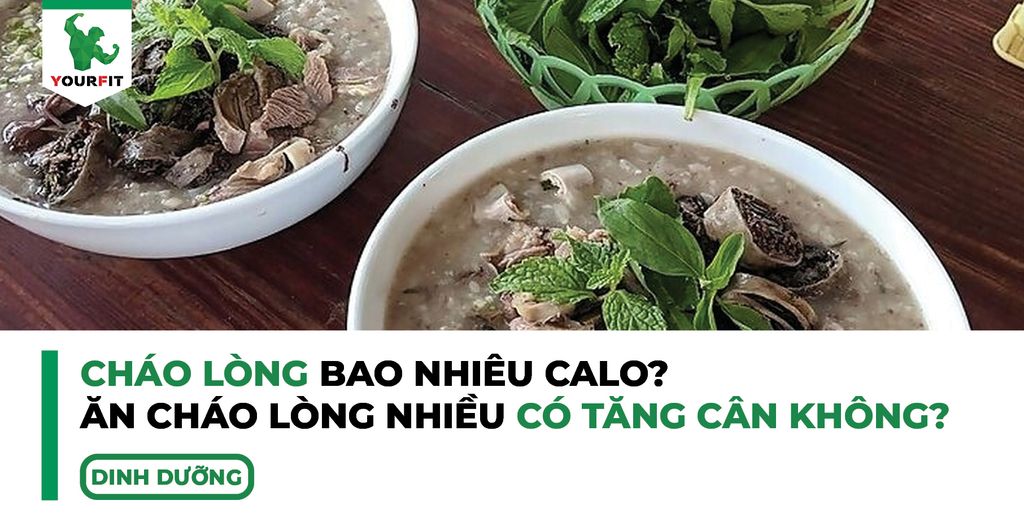
Cháo lòng is a traditional Vietnamese rice porridge, particularly familiar in the north and central regions. Often served for breakfast or a light meal, it is part of the street-food culture of markets, small shops and busy neighbourhoods. YourFit explores its ingredients, nutrition and portion choices.
1. How many calories are in cháo lòng?
The porridge is made from ordinary rice, sometimes mixed with glutinous rice for a thicker texture. It may include pork stomach, intestines, liver, heart, lung and blood sausage. The broth and rice balance the rich offal, with pepper, garlic and chilli providing warmth.

Regional recipes and serving sizes vary. A 400–500 g bowl can contain quite different amounts of rice solids and offal, so its weight alone does not establish a dependable calorie count.
Rice provides most of the carbohydrate, while offal provides protein and varying amounts of fat. Herbs contribute some fibre, although a bowl may still be relatively low in vegetables. Liver, heart and other toppings can supply iron, zinc, vitamin A, vitamin B12 and other micronutrients. Broth seasoning affects sodium; added oil and fatty sausage can raise energy substantially.
2. What nutrients can cháo lòng provide?
2.1. Energy from rice
Cooked rice supplies carbohydrate for daily activity. Its soft texture makes porridge a familiar breakfast choice.
2.2. Protein
Pork organs and sausage provide protein used for tissue repair and muscle maintenance. The amount depends on how much offal is served and which cuts are used.

2.3. Iron
Liver and cooked blood products can provide iron, needed for normal red blood cell formation. Suspected iron deficiency requires appropriate assessment rather than relying on one food. Pregnancy also requires particular care with liver because of its vitamin A content.
2.4. Zinc
Offal contains zinc, a mineral involved in normal immune function and tissue maintenance.
2.5. B vitamins and choline
Liver supplies vitamin B12 and choline, which have roles in normal nervous system function. Variety helps provide these and other nutrients across the diet.
2.6. Texture and digestive comfort
The porridge itself is soft, while herbs such as Vietnamese coriander, sawtooth coriander and spring onion add aroma. The richness of the offal, chilli and oil can affect digestive comfort, so adjust them to your tolerance.
2.7. Meals during recovery
A warm porridge can be an appealing way to eat when appetite is low. During illness or recovery, choose ingredients and food-safety practices appropriate to the person's needs rather than assuming all offal dishes are easy to digest.
3. Can eating cháo lòng often cause weight gain?
Weight change depends on the full diet and energy needs over time. Large bowls, generous offal toppings and added oil can contribute to excess energy intake, especially when eaten in addition to usual meals.

Different organs contain different amounts of fat and cholesterol. The rice also supplies calories, and scallion oil or other oily toppings add more. Salty seasoning increases sodium rather than calories, and may contribute to temporary water retention.
4. How to build a balanced bowl

4.1. Choose toppings carefully
Ask for a modest portion of offal with less visible fat. Cuts vary, so avoid assuming that all intestines are lean or all blood products are fatty. Shredded boiled chicken or an egg can provide an alternative when you want a different porridge topping.
4.2. Use a comfortable portion
A smaller bowl, around 300–400 g, may suit some appetites, but the thickness of the porridge and amount of topping still matter. Add vegetables if you want more volume rather than automatically ordering more sausage or offal.
4.3. Include vegetables and herbs
Vietnamese coriander, bean sprouts, spring onions and sawtooth coriander add freshness and some fibre. They complement the meal without cancelling the fat or cholesterol in other ingredients.
4.4. Limit extra oil and salty condiments
Taste before adding fish sauce. Keep scallion oil and other oily toppings modest, and choose a broth that is not excessively salty.
4.5. Maintain regular activity
A gentle walk after eating can be enjoyable. Keep gym training or other exercise in a consistent routine rather than treating it as a requirement to compensate for a bowl of porridge.
4.6. Consider evening comfort
If a rich late meal disrupts digestion or sleep, enjoy it earlier or choose a smaller portion. Overall intake is more important to body-fat change than breakfast versus dinner.
4.7. Keep meals varied
Having cháo lòng occasionally, such as once or twice a week, is one way to leave room for other protein sources. Choose hygienic vendors and make sure all pork and offal are thoroughly cooked.
5. Takeaway

Cháo lòng can provide energy, protein and micronutrients, but portions, added fat and food handling matter. YourFit encourages you to enjoy it within a varied eating pattern that suits your appetite, activity and individual needs.