Chả Lụa Calories: Vietnamese Pork Sausage and Weight Management
Explore chả lụa nutrition per 100 g, how fat and salt affect the meal, and practical tips for choosing, serving and storing Vietnamese pork sausage.
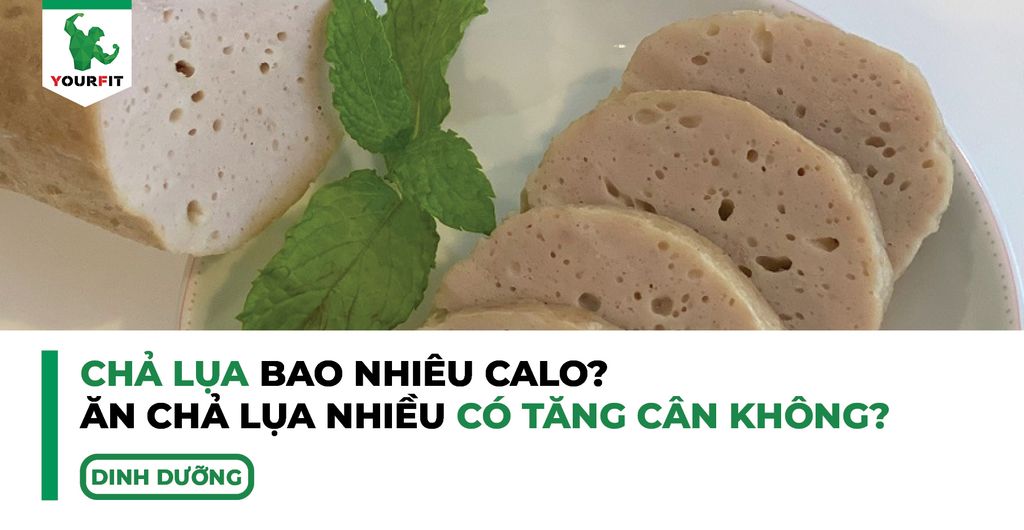
Chả lụa, also called giò lụa, is a traditional Vietnamese sausage made from finely ground pork, wrapped in banana leaves and cooked. It appears in everyday family meals, Tết celebrations, weddings and other gatherings. Its gentle pork flavour, seasoning and banana-leaf aroma make it instantly recognisable.
YourFit looks at its calories, nutritional contribution and the choices that help it fit a balanced diet.
1. How many calories are in chả lụa?
Usually formed into a cylinder and cut into rounds, chả lụa can accompany bánh mì, bánh ướt, noodles, rice, bánh cuốn, bánh chưng or bánh tét. It is also convenient as a small appetiser or snack.

Nutrition varies with the ratio of lean pork to fat, added starch and seasonings. The following approximate ranges describe 100 g of traditional chả lụa; the package label is more useful for a specific product.
| Nutrient per 100 g | Approximate amount |
|---|---|
| Energy | 150–250 kcal |
| Carbohydrate | 1–2 g |
| Protein | 15–20 g |
| Fat | 10–15 g |
| Iron | 1–2 mg |
| Zinc | 1–2 mg |
| Vitamin B6 | 0.3–0.5 mg |
| Vitamin B12 | 0.5–1 mcg |
2. What does chả lụa contribute to a meal?
2.1. Protein and energy
Pork provides protein for muscle maintenance, tissue repair and normal body functions. Fat adds energy, so the portion still matters even though the sausage is boiled or steamed rather than fried.
2.2. An easy-to-chew texture
The soft, smooth texture can be convenient for many people. For children or anyone with chewing or swallowing difficulties, cut and serve it appropriately and consider individual needs.
2.3. Iron and zinc
Iron supports normal red blood cell formation, and zinc contributes to normal immune function. Chả lụa is one possible source among many.

2.4. B vitamins
Vitamins B6 and B12 support normal nervous system function and other processes in the body. Their amounts depend on the product.
2.5. Flexible meal combinations
Traditional versions can be relatively low in carbohydrate, although some products contain more starch. Pairing it with vegetables adds fibre, while bread, rice or noodles contribute carbohydrate as needed.
2.6. Convenience
Ready-cooked chả lụa is quick to portion and serve, making it useful when time is limited. Check storage and reheating instructions.
2.7. A component of a post-activity meal
It can contribute protein and energy after activity. Combine it with other foods to make a meal suited to the length and intensity of your training.
2.8. A mild flavour
Its usually mild seasoning appeals to different age groups. Check ingredients for allergies and choose a suitable portion, particularly when sodium intake matters.
3. Can eating a lot of chả lụa cause weight gain?
It can contribute if total calorie intake regularly exceeds your needs. At approximately 150–250 kcal per 100 g, chả lụa is not calorie-free simply because it is steamed or boiled. The 10–15 g of fat in a typical 100 g serving contributes a substantial share of its energy.

Sodium may be around 600–1,000 mg per 100 g, depending on the recipe. A salty meal can cause temporary water retention, which is different from body-fat gain. Bread, noodles, rice and sticky-rice cakes eaten alongside the sausage also contribute to the total meal.
4. Practical tips

4.1. Buy from a reliable producer
Look for clear labelling, hygienic production and appropriate refrigeration. Traditional chả lụa is often ivory or pale pink with a mild aroma, but appearance alone cannot prove that a product is safe. Avoid spoiled products and those with unclear provenance.
4.2. Consider your serving
About 50–100 g can be a practical portion within a meal, adjusted to other protein foods and your needs. Enjoying it once or twice a week is one way to keep variety and moderate processed-meat intake, rather than a rule for everyone.
4.3. Pair it with vegetables
Cucumber, lettuce, herbs and cooked vegetables add fibre and volume. Adjust the rice, noodle or bread serving if the full plate is larger than you need.
4.4. Limit extra frying
Pan-frying or deep-frying adds oil and calories. Serving it as cooked, or reheating by steaming according to storage guidance, avoids this extra oil.
4.5. Follow individual health advice
If you manage high blood pressure, blood lipids, heart disease or gout, consider the product's sodium, fat and meat content within your personal plan. Ask a qualified professional about restrictions that apply to you.
4.6. Store it correctly
Keep refrigerated and follow the producer's use-by and after-opening instructions. Homemade products may have a short storage life. Freezing can change texture; it does not make a spoiled product safe.
4.7. Compare products
Choose a version with a favourable ingredient list, less fat and less sodium when available. Both traditional and commercially packaged products should be judged by their ingredients, handling and labelling rather than by the name alone.
5. Takeaway

Chả lụa offers convenient protein and familiar flavour. YourFit encourages you to check the product, choose a moderate serving and balance it with vegetables and other foods across the week.