Bún Riêu Cua Calories, Nutrition and a Lighter Homemade Recipe
Explore crab noodle soup ingredients, portion choices and nutrition, then make bún riêu cua at home with tomatoes, tofu and fresh vegetables.

Bún riêu cua is a familiar Vietnamese noodle soup, especially popular in the north. Fresh field crab, tomatoes, tofu and herbs are easy-to-find ingredients that create a distinctive combination of flavours. Tomato and fermented rice vinegar bring gentle acidity, crab adds sweetness, and tofu and broth give the dish richness.
Its everyday appeal also comes from its accessibility and versatility: served hot with fresh greens, it can be enjoyed at different times of day and throughout the year. YourFit explores its calories, nutritional contribution and practical ways to prepare a balanced bowl.
How many calories are in bún riêu cua?
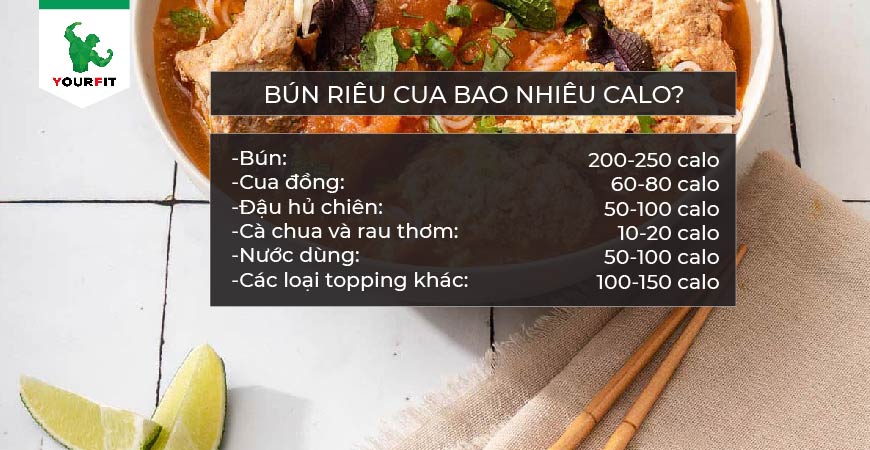
The calorie count depends on the actual serving of noodles, crab, tofu, broth and toppings. A bowl with modest noodles and lightly cooked tofu differs substantially from one with pork sausage, pork hock, blood curd, crackling and rich broth.
Rice noodles usually contribute a substantial share of carbohydrate. Fried tofu and added oil increase fat and energy, while tomatoes and herbs contribute relatively little energy. For a useful estimate, identify the portion of each ingredient rather than assuming every bowl has the same calorie total.
Nutrition from the main ingredients
High-quality protein
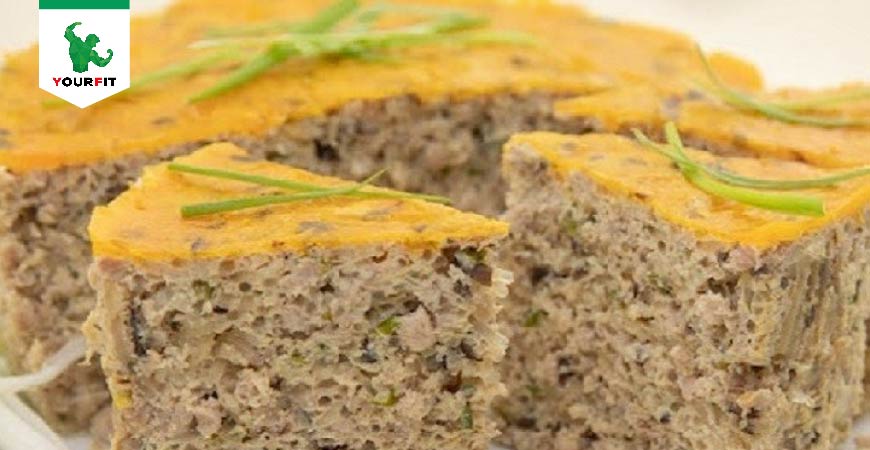
Crab contributes protein used for muscle maintenance and tissue repair. The amount in the finished soup depends on how much crab meat is retained during preparation.
Calcium and other minerals
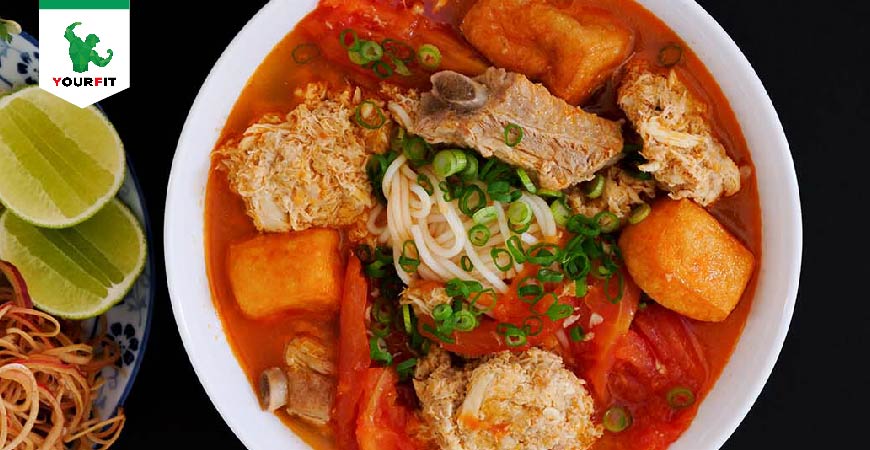
Field crab contains minerals including calcium, phosphorus, potassium and iron, and some omega-3 fats. The amount reaching your bowl varies with preparation, particularly whether shell material is removed. A varied diet supplies these nutrients from several foods.
Vitamins and antioxidant compounds
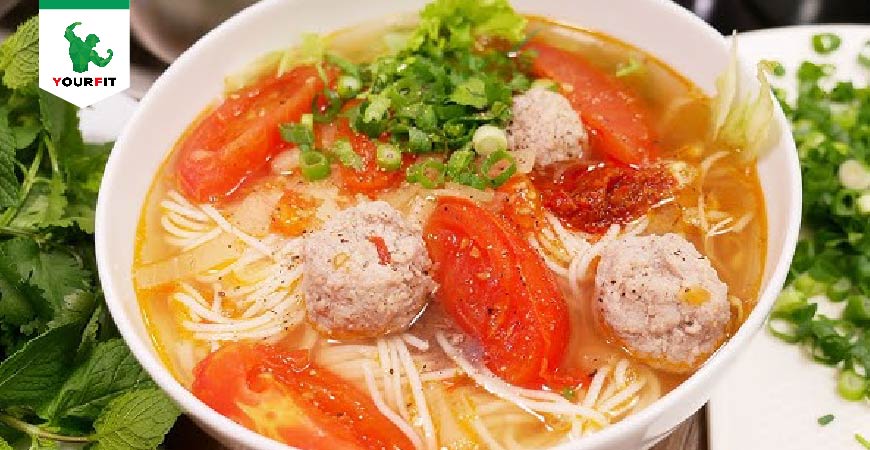
Tomatoes provide vitamin C, carotenoids and lycopene. These contribute to the nutritional value of a meal containing several different vegetables.
Fibre from greens
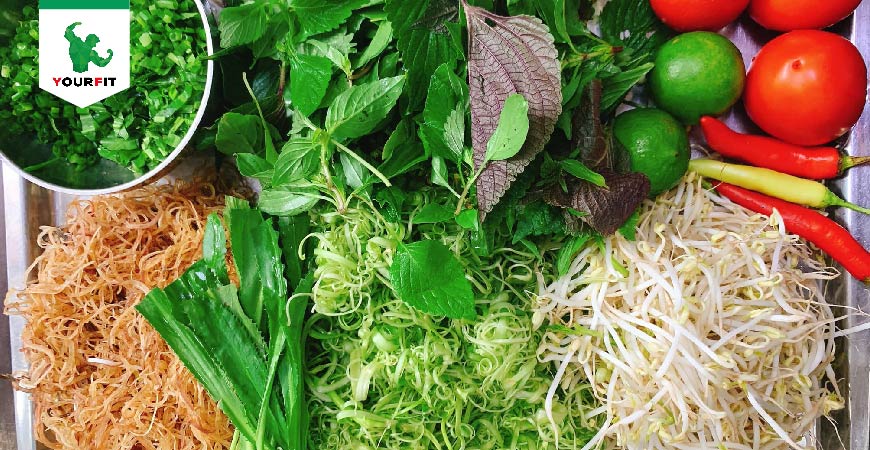
Shredded water spinach, Vietnamese balm, perilla and other greens add fibre, supporting bowel regularity and a satisfying meal.
A meal that can suit different energy needs
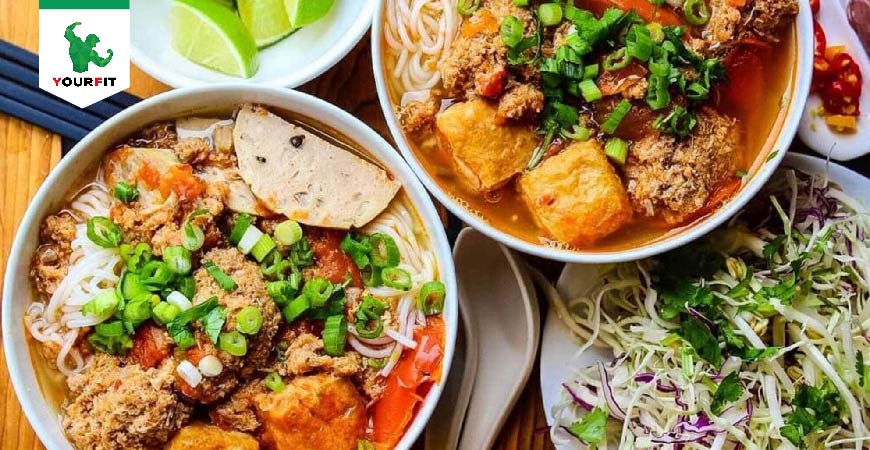
A moderate serving with modest added oil can fit a calorie-conscious eating pattern. It is the recipe and portion, rather than the dish's name, that determine how much energy it provides.
Heart-conscious preparation
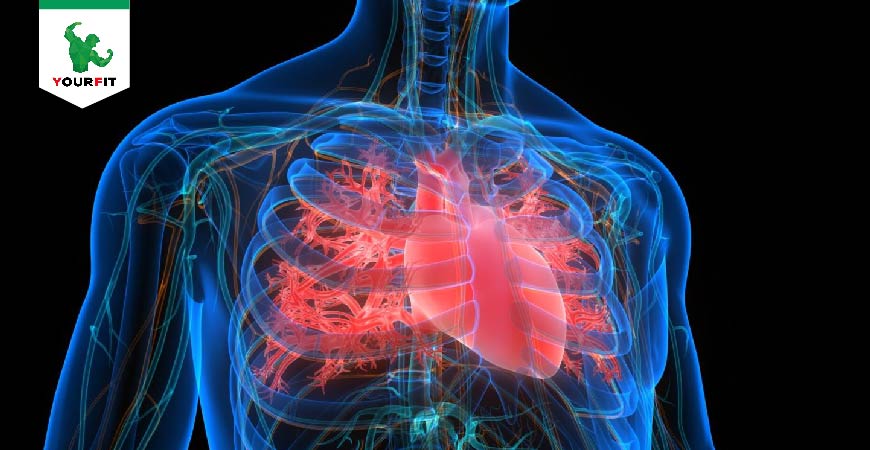
Crab, tofu and vegetables can be useful ingredients in a balanced diet. Keep an eye on saturated fat from meat extras and sodium from broth and seasonings.
Enjoyment and wellbeing

Noodles provide energy, and eating a familiar favourite can be enjoyable and comforting. A satisfying eating pattern leaves room for foods you like without relying on claims that a dish changes appetite hormones or mood chemistry.
Fat and nutrients from tofu

Tofu supplies plant protein and fat, including unsaturated fat. Baking or lightly pan-frying it controls the extra oil compared with deep-frying.
Nutrients for normal vision

Carotenoids in tomatoes and greens contribute to a diet that supports normal eye function. Use a variety of colourful vegetables across your meals.
Bone and joint nutrition

Protein and minerals are part of the nutrition needed to maintain body tissues. Choose foods that meet your overall needs rather than treating crab soup as a remedy for joint pain.
Digestive comfort
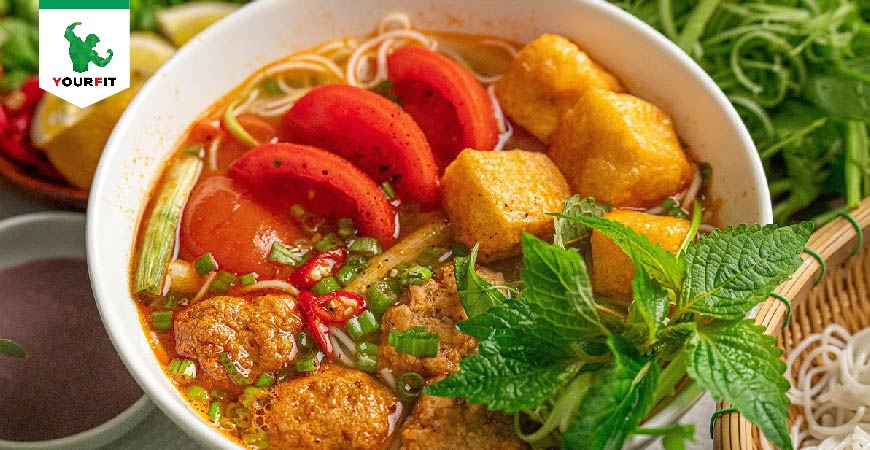
The soft noodles and warm broth may be comfortable for some people. Others may be sensitive to chilli, rich broth or the acidity of vinegar and tamarind. Adjust these ingredients to taste and tolerance.
Bún riêu is adaptable: small changes in ingredients and preparation can retain its familiar flavour while helping you build a balanced meal.
Can bún riêu cua cause weight gain?
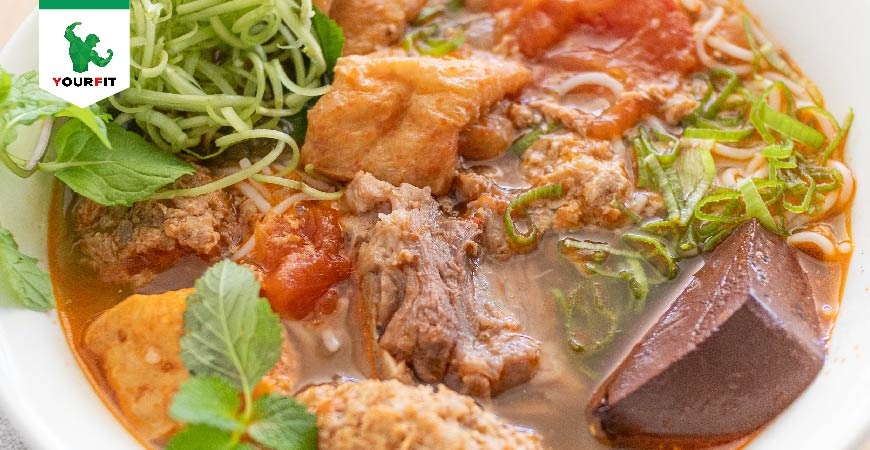
Weight change depends on energy intake over time relative to energy needs. No single bowl automatically causes or prevents weight gain. Consider:
- Portion size: extra noodles and multiple toppings can make a bowl substantially larger.
- Fat and seasoning: added oil, rich broth and sweet sauces change its energy content.
- Side dishes: bread, spring rolls and other extras contribute additional calories.
- Frequency: enjoy the soup within a varied eating pattern and consider how it fits with your other meals.
Vegetables and water are useful accompaniments, but they do not cancel out the energy in an oversized meal.
How to make your bowl more balanced
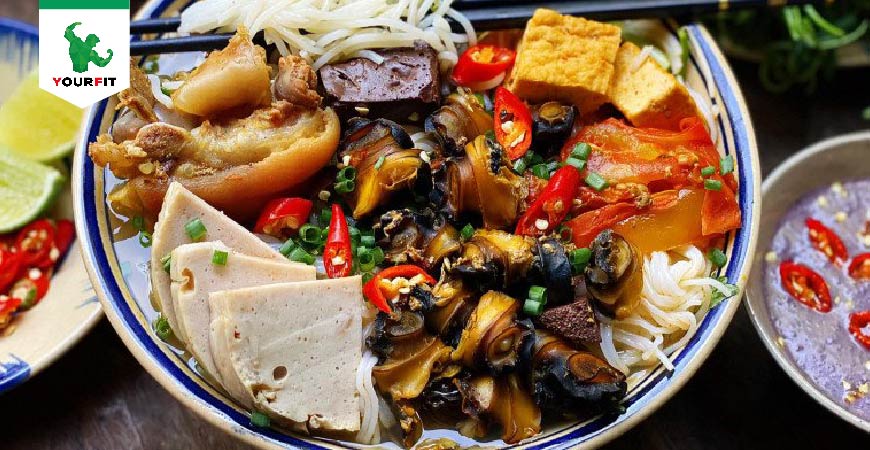
Adjust the noodles
Ask for a smaller noodle portion if needed and add vegetables. Brown rice noodles may contribute more fibre, although they are not automatically lower in calories.
Choose crab and tofu
Crab and tofu provide protein. Use lightly cooked tofu and choose these in place of several additional processed or fatty meat toppings when you want a simpler bowl.
Add fresh vegetables
Shredded water spinach, herbs and lettuce add fibre and volume. Wash and handle them carefully.
Use less oil and seasoning
Ask for less oily broth when possible, and taste before adding condiments. Salt adds sodium, while sugary or oily sauces also add calories.
Eat slowly
Take time to enjoy the flavour and notice when you feel comfortably satisfied. A relaxed pace makes it easier to respond to appetite rather than finishing automatically.
Keep active
A gentle walk after a meal may feel pleasant. Regular gym training, cycling, running or swimming can support fitness and wellbeing as part of your wider routine.
Choose a suitable mealtime
Lunch or dinner can both work. If a large late meal affects your comfort or sleep, choose an earlier meal or a smaller serving.
Homemade bún riêu cua with less added oil
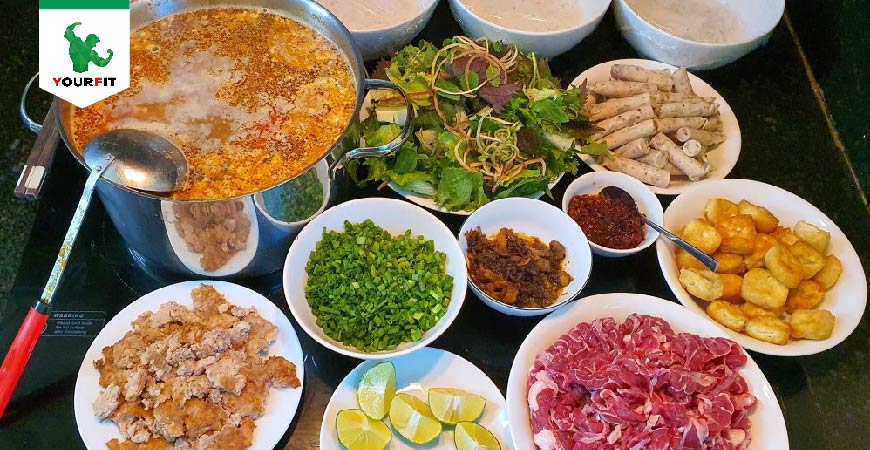
Ingredients
- 200 g ground field crab
- 1 litre water for the crab broth
- 150 g fresh rice vermicelli, or brown rice vermicelli prepared according to its packet
- 2 tomatoes, cut into wedges
- 100 g tofu, cut into small pieces and baked or lightly pan-fried
- Fresh greens: shredded water spinach, Vietnamese balm, perilla, lettuce or banana blossom
- Spring onions and finely chopped shallots
- Salt, pepper, seasoning and a little fermented rice vinegar or tamarind
Method
- Prepare the crab liquid. Stir the ground crab into the water, then strain out shell fragments. Pour the liquid into a pot, add a little salt and heat gently. As it comes to a simmer, the crab solids gather on top. Lift them out and keep aside, ensuring the crab is thoroughly cooked.
- Make the broth. Cook shallots in a little oil until fragrant, add the tomatoes and cook until softened. Add this mixture to the crab liquid. Season with vinegar or tamarind and the remaining seasonings. Bring back to a simmer, then reduce the heat.
- Prepare the tofu. Bake or pan-fry with a little oil until golden. Drain excess oil.
- Assemble. Divide noodles into bowls, add crab and tofu, then ladle over hot broth. Finish with spring onions, pepper and fresh greens.
Portion tips
Use an appropriate noodle serving, keep cooking oil modest and add a generous selection of vegetables. Brown rice noodles are an option for variety and fibre; check the label for their calorie content.
Takeaway
Bún riêu cua can fit a varied diet when its noodle portion, toppings and broth suit your needs. YourFit encourages balanced nutrition, enjoyable activity and habits you can maintain. If you would like support with your training and nutrition routine, our coaching team can help you work towards your goals.