Brown Rice Vermicelli: Calories, Nutrition and a Tofu Recipe
Learn about brown rice vermicelli nutrition, portion choices and preparation, then make a soy-sauce noodle bowl with vegetables and tofu.
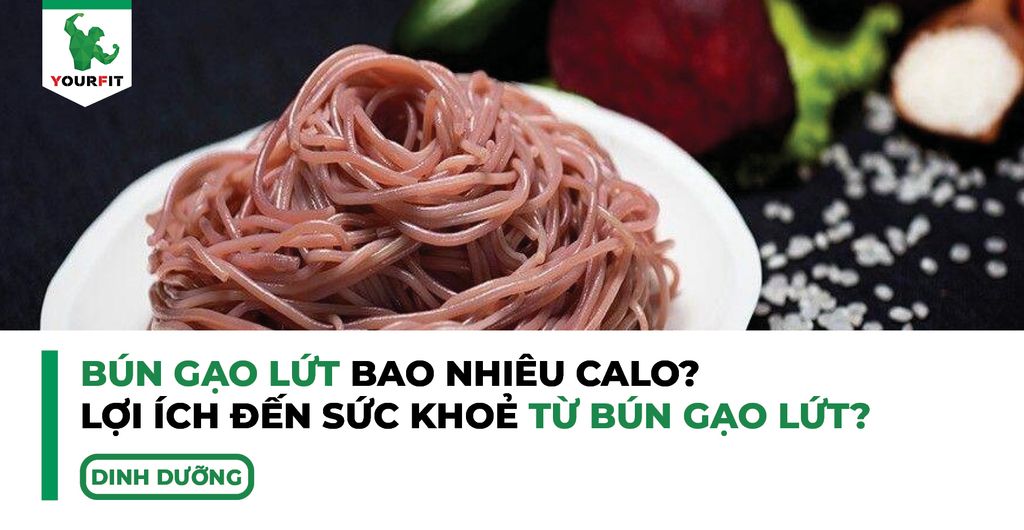
Brown rice vermicelli has become a familiar choice for people who want more wholegrain foods in their meals. Its slightly firmer texture and nutty flavour make it an alternative to white rice noodles. YourFit explores its nutrition, practical serving tips and a simple recipe.
1. How many calories are in 100 g of brown rice vermicelli?

Brown rice retains the bran layer removed from refined white rice. Noodles made with it can therefore contribute more fibre and some micronutrients, although the amount depends on the product and whether other starches are included.
Always distinguish dry noodles from cooked noodles when checking calories. Water absorbed during cooking changes the weight substantially, so the same “100 g” can describe very different portions. Use the package's serving basis and preparation instructions for a reliable comparison.
Brown rice noodles provide carbohydrate, some protein and fat, fibre, B vitamins including thiamine, niacin and vitamin B6, and minerals such as magnesium, phosphorus, iron, zinc and calcium. The exact amounts vary by brand.
2. Potential nutritional benefits

2.1. Digestive health
Fibre supports bowel regularity and can help a meal feel more filling. Brown rice noodles are one way to add variety to the fibre-containing foods you eat.
2.2. Blood glucose considerations
Wholegrain ingredients may change the way a meal is digested, but the glycaemic response also depends on noodle processing, cooking, portion size and accompaniments. If you manage diabetes, count the carbohydrate in the portion you actually eat.
2.3. Weight management
A filling meal can make it easier to manage appetite. Brown rice noodles still supply calories, so use suitable portions and pair them with protein and vegetables rather than assuming they are automatically lower in energy than white noodles.
2.4. Heart health
Wholegrain foods, plant compounds and minerals such as magnesium can contribute to a heart-supportive eating pattern. The salt and oil in the finished noodle dish also matter.
2.5. Essential nutrients
B vitamins help the body use energy from food, while magnesium, phosphorus and zinc contribute to normal body functions. A varied diet provides these nutrients from several sources.
2.6. Nervous system function
Thiamine, niacin and vitamin B6 have roles in normal nervous system function. Include wholegrains alongside other foods that support your overall nutritional needs.
3. Practical tips for eating brown rice noodles
3.1. Keep portions appropriate
A starting portion of about 100–150 g of cooked noodles may suit some meals. Adjust it to your appetite, activity and the other ingredients; bowl sizes are not a dependable measure.
3.2. Add protein and vegetables
Chicken, fish, tofu or eggs provide protein. Greens and other vegetables add vitamins, minerals and fibre, turning noodles into a more balanced meal.

3.3. Choose a comfortable mealtime
If a late, large meal affects digestion or sleep, eat earlier or choose a smaller serving. Carbohydrate does not automatically turn into fat because it is eaten in the evening.
3.4. Consider the whole meal during weight loss
Look at sauces, oils and toppings as well as the noodles. Portion awareness, a varied eating pattern and regular activity work together over time.
3.5. Adjust to digestive tolerance
Large increases in fibre may cause bloating, particularly for people with irritable bowel syndrome or other digestive concerns. Try a comfortable portion and increase gradually if tolerated.
3.6. Choose drinks thoughtfully
Water or unsweetened herbal tea are simple accompaniments. Fruit juice also contributes sugar and calories, even when no sugar is added.
3.7. Store noodles safely
Keep dry noodles sealed in a cool, dry place. Refrigerate cooked noodles promptly and follow food-storage guidance rather than leaving them at room temperature overnight. Discard noodles showing signs of spoilage.
4. Recipe: brown rice noodles with soy sauce and tofu

Ingredients for the noodles
- 150 g brown rice vermicelli, prepared according to the packet
- 2–3 tablespoons reduced-salt soy sauce
- 1 tablespoon sesame or olive oil
- 1–2 garlic cloves, minced
- 1 teaspoon minced ginger
- 1 carrot, peeled and cut into thin strips
- 1 cup choy sum, mustard greens or bok choy
- Half a cucumber, thinly sliced
- A little pepper, optional
Ingredients for the tofu
- 200 g soft or firm tofu; firm tofu is easier to pan-fry
- 1–2 tablespoons soy sauce
- 1 garlic clove, minced
- 1 tablespoon sesame oil
- Half a teaspoon minced ginger
- 1–2 spring onions, sliced
- 1/4 teaspoon pepper, optional
- Half a teaspoon honey or brown sugar, optional
Method
- Marinate the tofu. Cut into 2–3 cm cubes. Mix soy sauce, garlic, ginger, sesame oil and optional honey or sugar. Coat the tofu and leave for 10–15 minutes.
- Cook the tofu. Heat a small amount of sesame or olive oil in a pan. Pan-fry over medium heat for approximately 3–5 minutes, turning until lightly golden. Drain excess oil.
- Prepare the noodles. Boil according to the packet; some varieties take about 5–7 minutes. Drain and briefly rinse with cold water to separate the strands.
- Cook the vegetables. Warm the oil in a pan and cook the garlic and ginger for 1–2 minutes. Add carrot and greens and stir-fry for 2–3 minutes, keeping some bite. Add cucumber for the final minute.
- Combine and serve. Put the noodles in a bowl, add the vegetables and soy sauce, then toss. Arrange the tofu on top or around the noodles and finish with spring onions and pepper.
5. Takeaway

Brown rice vermicelli can add variety to your meals, particularly when combined with vegetables and a protein source. YourFit encourages you to check the product label, distinguish dry from cooked weights and choose a portion that fits your needs.