Bún Chả Calories and Practical Tips for Weight Management
Explore the noodles, grilled pork, herbs and dipping sauce in bún chả, with portion and preparation tips for a balanced Vietnamese meal.
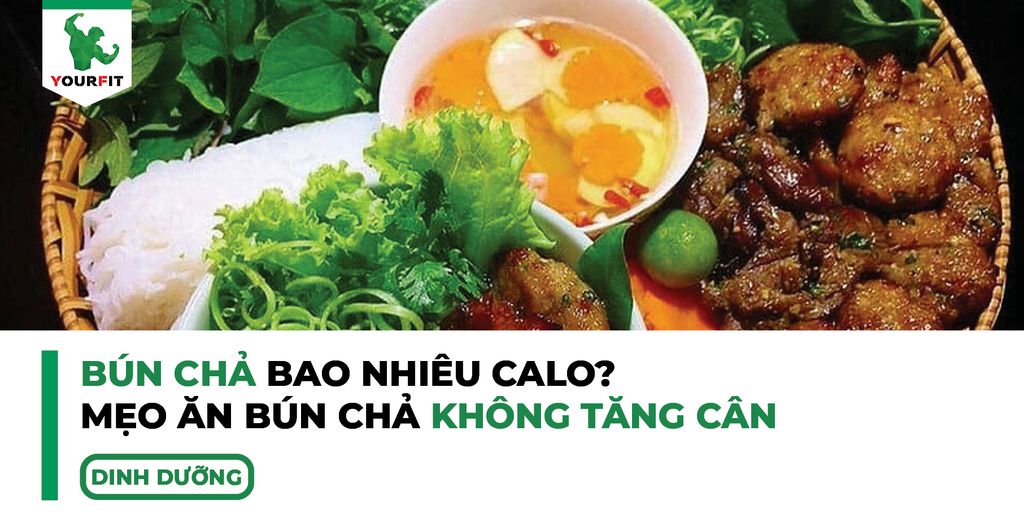
Bún chả is one of Hanoi's best-known dishes, sought out by Vietnamese visitors and travellers from abroad alike. Grilled pork, a gently sweet dipping sauce and tangy pickled green papaya create its distinctive appeal. If you are watching your intake, you may wonder how many calories it contains and how to enjoy it comfortably.
YourFit looks at the ingredients, their nutritional contribution and practical portion choices.
1. What is in a serving of bún chả?
1.1. Calories in the main ingredients

A 100 g portion of cooked rice vermicelli provides approximately 110–120 kcal. Grilled pork varies with the cut, marinade and cooking method; a 100 g portion is estimated at around 250–300 kcal.
The total meal depends on how much noodle and pork is served, as well as any extras. Betel-leaf meat rolls, fried spring rolls, fresh vegetables and sweet-and-sour fish sauce all contribute differently. Meat is often a major source of calories, particularly when fatty cuts are used. Measure actual portions rather than assuming that every plate has the same total.
1.2. Nutritional contributions
Bún chả combines several food groups. Its fat, carbohydrate, protein and fibre content changes with the recipe and portion.
- Rice vermicelli: primarily provides carbohydrate, with smaller amounts of protein and fibre. It can be an alternative to rice, with the portion determining its calorie contribution.
- Pork: provides protein and minerals such as iron, as well as B vitamins. Leaner cuts reduce the fat content of the meal.
- Dipping sauce: garlic, chilli and green papaya add flavour and plant ingredients; sugar and fish sauce also add energy and sodium.
- Fresh greens: contribute fibre, vitamins and minerals, helping make the meal more varied.
2. Nutritional benefits
2.1. A combination of nutrients
Noodles supply energy, pork adds protein and micronutrients, and fresh vegetables provide fibre and a range of vitamins. Together they can make a more complete meal than noodles or meat alone.
2.2. Digestive comfort
Garlic, chilli and green papaya give the sauce its characteristic flavour. The vegetable accompaniments add fibre; adjust chilli and garlic to your tolerance if they cause discomfort.

2.3. Fibre from fresh vegetables
The greens served with bún chả help increase fibre intake and support regular bowel function. Use a generous, well-washed selection.
2.4. Protein for muscle maintenance
Lean pork supplies protein that supports muscle repair and maintenance, including for people who train at the gym. Its iron contributes to normal blood formation.
2.5. Vitamins and daily energy
Vitamin C from vegetables supports normal immune function, while carbohydrate from the noodles provides fuel for daily activity.
3. Things to consider when eating bún chả
Avoid heavily charred meat and cook pork thoroughly. Grilling over intense heat can create unwanted compounds, so careful preparation matters as well as portion size.
If you are managing your weight or training regularly, an occasional bún chả meal can fit your plan. Eating it once or twice a week is one possible routine, but there is no universal frequency rule; consider the portion and variety of the full diet.

During pregnancy, pay particular attention to thoroughly cooked meat, clean raw vegetables and hygienic preparation. Ask your maternity care professional about green papaya if you have concerns rather than relying on a general claim about a particular food. Preparing the meal at home can make ingredients and food handling easier to control.
A large late meal may feel uncomfortable or disturb sleep. Choose a suitable portion at dinner; evening eating alone does not determine whether body fat increases.
4. Practical ways to enjoy bún chả while managing weight
4.1. Control the portion
Choose a noodle and meat serving suited to your appetite. Reducing an oversized portion can make a meaningful difference to total energy intake.
4.2. Add vegetables and drink water
A generous serving of vegetables contributes vitamins, minerals and fibre and helps the meal feel satisfying. Water is a straightforward drink choice alongside it.
4.3. Try a vegetarian variation
A vegetarian bún chả-style meal can offer a different way to enjoy the flavours. Tofu or vegetable-based toppings are options, but their calories still depend on frying oil, sauce and portion size.
4.4. Keep active
Walking, running and gym training can support fitness and weight management as part of an ongoing routine. Choose activities you can maintain consistently.

5. Takeaway
Bún chả brings together carbohydrate, protein and vegetables, with the amount of grilled meat, noodles and sauce determining its energy content. YourFit encourages you to enjoy this Hanoi favourite with thoughtful portions, varied meals and regular activity.