Bún Bò Calories: What Is in a Bowl and Can It Cause Weight Gain?
Explore the ingredients in Vietnamese beef noodle soup, their calorie contribution and practical ways to enjoy a balanced bowl of bún bò.
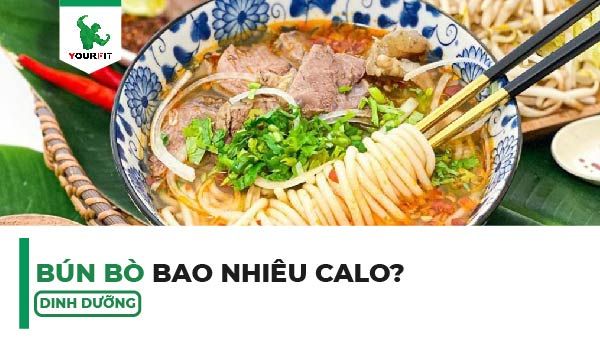
Bún bò is a celebrated Vietnamese dish associated with Huế. Its careful preparation brings together a rich broth, the warmth of chilli and the distinctive aroma of lemongrass. Beef bones and pork hock give the broth depth, complemented by tender meat and fresh rice noodles.
How much energy does a bowl provide, and can you enjoy it regularly while managing your weight? YourFit breaks down the ingredients and the choices that make a difference.
The main ingredients in bún bò

From family kitchens and street stalls to restaurants in Vietnam and abroad, bún bò expresses the bold flavours of central Vietnamese cooking. A bowl commonly includes:
- Broth: beef bones and pork hock, seasoned with lemongrass and chilli.
- Beef: often beef shank or thinly sliced beef, sometimes with tendon or sausage.
- Pork hock: a rich, tender accompaniment.
- Rice noodles: thick, white, springy strands.
- Vietnamese sausage: chả lụa or Huế-style beef sausage may be included.
- Fresh vegetables: bean sprouts, herbs, banana blossom and lettuce.
Estimated calories in a bowl

The calorie content varies with the cut of meat, the noodle portion and the amount of fat in the broth. These ingredient estimates provide a guide, rather than a fixed total for every bowl.
| Component | Serving | Approximate energy |
|---|---|---|
| Cooked rice noodles | 200 g | 220–240 kcal |
| Beef | 100 g | 250 kcal |
| Pork hock | 50 g | 150 kcal |
| Pork or beef sausage | 50 g | 120 kcal |
| Broth | Amount and recipe vary | 50–100 kcal in the example serving |
Chilli oil, extra sausage or bread on the side add more energy. A bowl containing all of the portions above differs from a smaller bowl with only one meat topping, so assess what is actually served.
What nutrients can bún bò provide?
With suitable portions and preparation, the combination of beef, noodles and vegetables supplies several useful nutrients.
Protein and energy

Beef provides high-quality protein for building and maintaining muscle, especially alongside regular training. Protein also contributes to fullness, while the entire meal provides energy for everyday activity.
Vitamins and minerals

Beef supplies iron, which is needed to make haemoglobin and transport oxygen in the blood. It also provides B vitamins, particularly vitamin B12, that support normal nerve function and blood cell formation.
Fibre from vegetables

Herbs, bean sprouts, banana blossom and lettuce add fibre, supporting bowel regularity. Fibre-rich eating patterns can also help with cholesterol and blood glucose management.
Collagen-containing pork hock

Pork hock includes collagen-rich connective tissue. Dietary protein is digested into building blocks the body uses for many tissues; the portion also contributes fat, so balance it with lean meat and vegetables.
Carbohydrate from noodles

Rice noodles supply carbohydrate, an important fuel for daily activities and exercise. Their soft texture also makes them easy to eat.
Plant compounds in herbs and spices

Lemongrass, ginger, garlic and chilli contain a range of plant compounds, including antioxidants. In a bowl of soup their main contribution is flavour, helping make a varied meal enjoyable.
A meal you can adjust

You can reduce the pork hock, choose leaner beef or add more vegetables to suit your appetite and eating pattern without losing the character of the dish.
Can eating bún bò regularly lead to weight gain?

It can contribute when overall calorie intake repeatedly exceeds energy expenditure. Bún bò may include several rich ingredients in one bowl, but weight change depends on the full diet and activity pattern, not on a single food.
1. Fat-rich ingredients
Fatty pork hock, marbled beef and the oil on top of broth increase energy density. Larger quantities also increase saturated fat intake.
2. Large portions
A generous bowl may include substantial noodles, beef, pork and sausage. Extra portions of several ingredients can make the meal much larger than expected.
3. Carbohydrate from noodles
Noodles are useful fuel, but their calories still contribute to the total. Consider the noodle portion together with the rich toppings.
4. Sauces and condiments
Sweetened fish sauce and chilli oil can add sugar or fat. Salty condiments can also cause temporary water retention.
5. Frequency within your diet
Eating large, rich bowls often may increase overall intake if other meals remain unchanged. A varied week makes it easier to balance different foods.
6. Salt and temporary weight changes
Salty broth and sauces may make you retain water temporarily. This is different from gaining body fat.
7. Too few vegetables
Skipping vegetables reduces the fibre and variety in the meal. Including them helps build a more satisfying, balanced bowl.
8. Limited physical activity
Activity affects daily energy needs. A portion that suits a very active person may be more than someone with lower needs wants at one meal.
How to enjoy bún bò as part of a healthy diet

1. Choose leaner meat
Ask for lean beef and a smaller amount of fatty pork hock. This keeps a useful protein source while reducing some of the fat in the meal.
2. Adjust the noodles
Request fewer noodles if the usual serving is too large. Brown rice noodles can add variety; switching to another noodle type alone does not guarantee fewer calories.
3. Add vegetables
Enjoy the herbs, sprouts and banana blossom supplied with the bowl. They add fibre, freshness and volume with relatively little energy.
4. Be selective with the broth
Broth can contain considerable salt and fat. You need not finish all of it, particularly when a visible layer of oil remains on top. Ask for a less oily broth where possible.
5. Use condiments sparingly
Taste before adding fish sauce or satay-style chilli oil. Smaller amounts help limit additional sodium, sugar and fat.
6. Choose a comfortable serving
A small or medium bowl may be enough. Eat until comfortably satisfied instead of feeling obliged to finish an oversized portion.
7. Keep meals varied
Include bún bò among a range of meals with different vegetables, grains and protein sources. Frequency can be guided by the composition of the bowl and your overall diet.
8. Maintain regular activity
Walking, running and gym training support fitness and energy balance. Choose a sustainable routine rather than treating exercise as a way to compensate for one meal.
9. Cook it at home
Home cooking gives you control over meat cuts, added oil and salt. Use lean beef, skim excess fat from the broth and serve a generous selection of fresh vegetables.
Portion awareness, lean protein, vegetables and a suitable amount of broth let you keep the flavours you enjoy while creating a balanced meal. Regular activity complements these habits and supports overall wellbeing.
Takeaway
Bún bò brings together the rich broth, lemongrass, chilli, beef, pork and noodles that make Huế-style cooking distinctive. It can supply protein, carbohydrate, vitamins and fibre, depending on the ingredients you choose. YourFit encourages you to adjust the portion and accompaniments so this favourite dish fits comfortably into a varied diet.