Bánh Xèo Calories and Two Recipes to Try at Home
Learn what affects Vietnamese crispy pancake calories, explore its ingredients and try almond-flour and Japanese-style pancake recipes.
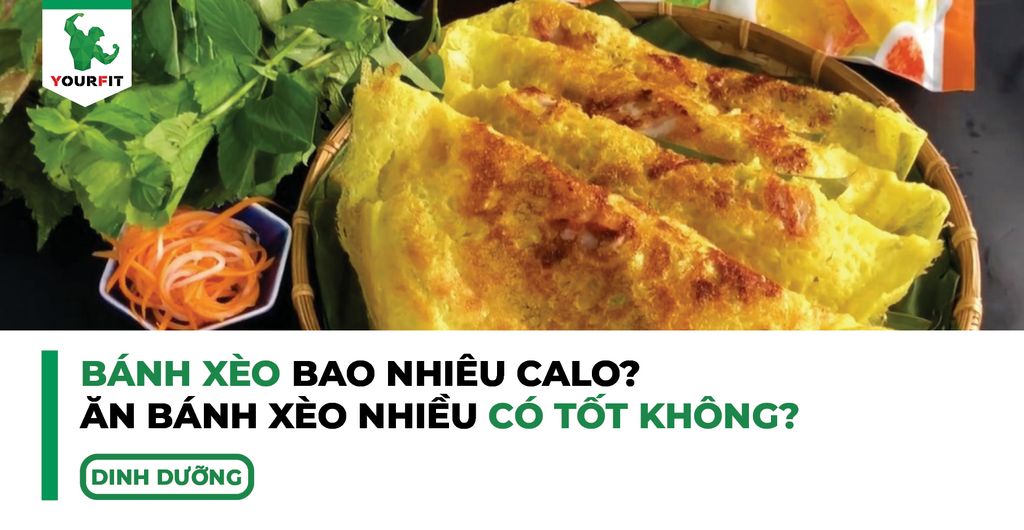
Bánh xèo is a favourite Vietnamese rice-flour pancake, especially for anyone who enjoys wrapping crisp pieces in fresh greens. Each region has its own size, filling and flavour. If you enjoy bánh xèo while managing your weight, understanding the ingredients can help you choose a suitable portion.
YourFit explores its nutrition, the role of oil and toppings, and two versions you can prepare at home.
1. Nutrition in bánh xèo
1.1. How many calories does it contain?

There is no single calorie count for a “medium” pancake. The thickness of the rice-flour shell, amount of pork and prawns, coconut milk and cooking oil all matter. Plain shells, small filled pancakes, vegetable versions and Japanese-style pancakes have different recipes and cannot be compared accurately by size alone.
For a usable estimate, weigh the flour, fillings and oil in your recipe and divide by the number of pancakes made. Dry pancake flour is much more concentrated than a finished pancake because the cooked dish contains water, vegetables and fillings.
1.2. What the ingredients contribute
- Carbohydrate: rice flour supplies much of the meal's energy.
- Protein: pork and prawns contribute protein; the amount depends on the filling.
- Fibre: bean sprouts, vegetables and leafy accompaniments support a fibre-rich meal.
- Fat: oil and other ingredients add energy and help the body absorb fat-soluble vitamins A, D, E and K.
- Vitamins and minerals: the combination of vegetables, meat and seafood supplies a range of micronutrients, including iron and calcium in varying amounts.
2. How bánh xèo can fit a balanced diet
2.1. Consider heart health and blood pressure
Pork and prawns offer protein and other nutrients, while the type and amount of oil and the salt in the sauce affect the overall meal. Leaner fillings, modest oil and less salty sauce can help you build a more balanced plate.
2.2. Add vegetables for weight management
Eating bánh xèo with leafy greens adds fibre and volume. This can support comfortable digestion and help make a suitable portion more satisfying.
2.3. Balance the full meal

Vegetables contribute vitamins and fibre, while the filling contributes protein. These are useful elements of a varied diet, but the total portion and oil still matter when managing weight.
2.4. Energy for daily activity
The carbohydrate and protein in bánh xèo contribute to meals that fuel work, study, exercise and leisure.
3. Two homemade pancake ideas
Making pancakes at home lets you adjust the ingredients and oil. These alternatives offer different textures and flavours; their calorie content still depends on the recipe and serving size.
3.1. Almond-flour bánh xèo

This lower-carbohydrate variation replaces rice flour with almond flour.
Ingredients
- 50 g almond flour
- 2 eggs
- 100 ml coconut milk
- 100 ml water
- Turmeric powder
- Peeled prawns and minced meat
- Bean sprouts and spring onions
- Olive oil, salt and pepper
Method
- Mix the almond flour, turmeric, eggs, coconut milk, water and spring onions into a batter.
- Heat a non-stick pan. Pour in some batter and spread it evenly.
- Add a little bean sprout, together with minced meat and prawns that have already been cooked.
- When the pancake is nearly ready, add a small amount of olive oil around the underside and fold it in half. Cook through, transfer from the pan and let excess oil drain before serving.
3.2. Japanese-style savoury pancake

Ingredients
- 50 g okonomiyaki flour
- 100 g cabbage
- 1–2 carrots
- 1 egg
- Prawns, peeled, in an amount suited to the filling
- 50 ml water for the batter
- A little olive oil
- For the sauce: honey, oyster sauce, Japanese soy sauce and water
- Mayonnaise, optional, for serving
Method
- Grate the carrots and finely shred the cabbage. Briefly boil the peeled prawns for about 2 minutes, then chop; make sure they are fully cooked by the time the pancake is served.
- Stir the flour, egg and 50 ml water into a thick batter. Fold in the prawns, cabbage, carrots and seasonings.
- Brush a hot pan with a thin layer of olive oil. Add the batter and cook for around 5–7 minutes, turning as needed until golden and cooked through.
- Mix honey, oyster sauce, soy sauce and water in a ratio of 2:1:2:2. Heat in a small pan, stirring until thickened.
- Transfer the pancake to a plate and add a modest amount of sauce and, if desired, mayonnaise.
4. Is eating a lot of bánh xèo a good idea?

Bánh xèo is enjoyable, but a large serving of fried pancakes can be rich in oil and carbohydrate. For some people, a fatty meal also causes indigestion or a heavy feeling.
Eating fried foods frequently can make it harder to balance energy and fat intake, especially when portions are large. A serving of one or two small pancakes with plenty of vegetables may suit some people, while a large southern-style pancake may need sharing. Size matters more than a fixed pancake count.
Keep regular movement in your routine and choose portions that leave you comfortable. Exercise supports health over time; there is no need to “burn off” a particular meal.
5. Takeaway
The calories in bánh xèo depend on how it is made and how much you eat. By paying attention to oil, filling, sauce and greens, you can enjoy its familiar flavour within a varied eating pattern. YourFit hopes these recipes help you make practical choices at home.