Bánh Ướt Calories: Portions, Toppings and Weight Management
Understand the calories in Vietnamese steamed rice sheets, compare popular toppings and learn how to enjoy bánh ướt in balanced meals.
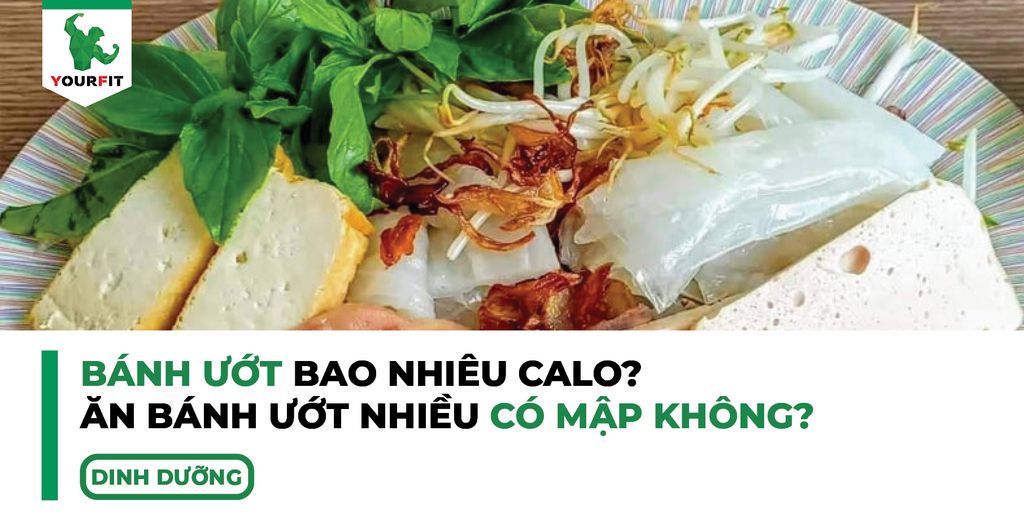
Bánh ướt is a much-loved Vietnamese dish made from soft, delicate steamed rice sheets. Its smooth texture and adaptable toppings make it popular for breakfast, lighter meals and family gatherings. YourFit looks at what goes into a serving and how to enjoy it with your nutrition goals in mind.
1. How many calories are in bánh ướt?
Plain bánh ướt is estimated at 150–200 kcal for a 200 g serving. A complete plate can contain considerably more energy, depending on the rice sheets, meat, fried shallots and dipping sauce.
Rice flour is the main ingredient, sometimes mixed with tapioca starch for a springier texture. Common accompaniments include chả lụa (Vietnamese pork sausage), nem chua (fermented pork), grilled meat and crispy shallots. Regional versions may add chicken offal, roast pork or fresh vegetables. Sweet-and-sour fish sauce, often with garlic and chilli, brings the dish together.

The following ingredient estimates help illustrate the differences between popular combinations. They are not fixed meal totals: recipes, serving weights and added oil vary.
1.1. With fermented pork and pork sausage
| Component | Serving | Approximate energy |
|---|---|---|
| Bánh ướt | 200 g | 150–200 kcal |
| Fermented pork | 50 g | 120–150 kcal |
| Pork sausage | 50 g | 100–120 kcal |
| Fried shallots | 10 g | 50 kcal |
| Fresh vegetables | 30 g | 10 kcal |
| Dipping sauce | 20 ml | 20–50 kcal |
1.2. With grilled pork sausage and chả lụa
| Component | Serving | Approximate energy |
|---|---|---|
| Bánh ướt | 200 g | 150–200 kcal |
| Grilled pork sausage | 100 g | 200–250 kcal |
| Chả lụa | 50 g | 100–120 kcal |
| Fried shallots | 10 g | 50 kcal |
| Fresh and pickled vegetables | 30 g | 10–20 kcal |
| Dipping sauce | 20 ml | 20–50 kcal |
1.3. With chicken and chicken offal
| Component | Serving | Approximate energy |
|---|---|---|
| Bánh ướt | 200 g | 150–200 kcal |
| Chicken | 50 g | 110–120 kcal |
| Chicken liver, heart or gizzard | 50 g | 80–100 kcal |
| Fried shallots | 10 g | 50 kcal |
| Herbs and bean sprouts | 30 g | 10–20 kcal |
| Dipping sauce | 20 ml | 20–50 kcal |
1.4. With lemongrass pork skewers and grilled meat
| Component | Serving | Approximate energy |
|---|---|---|
| Bánh ướt | 200 g | 150–200 kcal |
| Nem lụi pork skewers | 100 g | 200–250 kcal |
| Grilled meat | 100 g | 250 kcal |
| Fresh vegetables | 50 g | 15–20 kcal |
| Rice paper | 10 g | 30–40 kcal |
| Dipping sauce | 30 ml | 50–80 kcal |
2. Nutritional benefits of bánh ướt
2.1. Energy from carbohydrate
Rice flour supplies carbohydrate for everyday activity. A moderate portion can make a convenient breakfast, with protein and vegetables helping round out the meal.
2.2. A soft, easy-to-eat option
Plain rice-based sheets are naturally gluten-free, though sauces, processed toppings and cross-contact need checking if you must avoid gluten. Lettuce, bean sprouts and herbs add fibre that is largely absent from the rice sheets themselves.
2.3. Little fat before toppings
Plain bánh ướt contains relatively little fat. Boiled lean meat, shredded chicken or lightly oiled grilled toppings let you control how much fat is added.

2.4. Complementary nutrients
Lean meat, pork sausage, chicken offal or other meat toppings provide protein. Herbs and pickled vegetables add flavour and contribute vitamins and minerals. The balance depends on the amounts you choose.
2.5. A manageable texture
The soft rice sheets can be easy to chew for children, older adults and people recovering their appetite. Choose appropriate toppings and food textures for the individual.
2.6. Adaptable to different eating patterns
Vegetables and tofu can form a vegetarian version. Smaller amounts of sauce and fatty toppings can make the dish easier to fit into a calorie-conscious meal plan.
3. Can eating a lot of bánh ướt cause weight gain?
Weight gain becomes more likely when overall calorie intake regularly exceeds energy needs. Bánh ướt supplies carbohydrate, while grilled sausage, chả lụa, fried shallots and sweet sauce can add substantial energy to a full plate.

Large servings eaten frequently may leave less room for other foods within your daily energy needs. Those needs differ from person to person, so consider the entire day rather than judging one ingredient or using a single calorie target for everyone.
4. How to enjoy bánh ướt while managing weight

4.1. Start with an appropriate portion
A portion of around 150–200 g of rice sheets can be a starting point, adjusted to your appetite and the rest of the meal. If served alongside other dishes, use a smaller amount.
4.2. Choose lighter accompaniments
Try boiled lean meat, shredded chicken or steamed prawns in place of larger portions of fatty sausage. Use less fried shallot or make your own with a modest amount of oil. Add lettuce, bean sprouts, herbs and cucumber for fibre, freshness and fullness.
4.3. Adjust the dipping sauce
Dilute fish sauce with water and season with lime, garlic and chilli. Add sugar sparingly. Palm sugar still contributes calories; any alternative sweetener should be used according to its label.
4.4. Make it at home
Home preparation lets you control oil, seasoning and ingredients. Wholegrain or brown rice flour can be an option for adding fibre, although it changes the texture of the sheets.
4.5. Keep energy-dense extras modest
Lemongrass pork skewers, fatty chả lụa and very sweet sauces can substantially increase the meal's calories. Choose the toppings you enjoy most and use amounts that fit the rest of your plate.
4.6. Choose a comfortable mealtime
Bánh ướt works for breakfast or lunch, and it can also fit dinner. If eating late, choose a comfortable portion, plenty of vegetables and lean toppings. Overall intake matters more for weight management than the time on the clock.
5. Takeaway

Understanding the rice-sheet portion and the accompaniments makes it easier to enjoy bánh ướt as part of a varied diet. YourFit encourages you to build a plate that suits both your appetite and your goals.