How Many Calories Are in a Bowl of Rice?
Explore calories in a bowl of rice, its nutrients and benefits, plus practical portion tips for balanced meals and weight management.
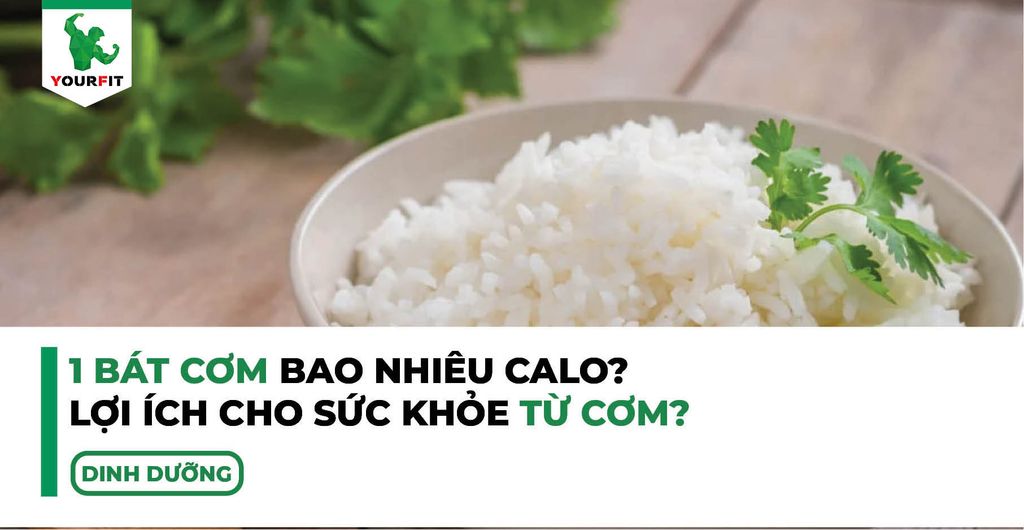
Rice is a staple food around the world, particularly across Asia. Its versatility makes it an easy partner for meat, fish, seafood and vegetables, helping bring a balanced meal together.
How much energy does a bowl provide, and how can it fit your goals? The answer starts with the size of the portion and the type of rice.
1. How many calories are in a bowl of rice?
A “bowl” is not a fixed measure. Its weight changes with the bowl's size, how generously it is filled and how tightly the rice is packed. Rice variety, water absorbed during cooking and added ingredients also affect the final calorie value.
For a small serving of approximately 100–120 g of cooked rice, useful estimates are:
| Type of cooked rice | Approximate energy |
|---|---|
| White rice | 130–150 kcal |
| Brown rice | 110–120 kcal |
| Sticky rice | 150–180 kcal |
| Broken rice | 120–130 kcal |
These ranges are guides rather than interchangeable laboratory values. Weigh your cooked portion and use information for the rice you actually prepare when you need a closer estimate.
Nutrients in a small serving of plain cooked rice
- Carbohydrate: approximately 28–31 g, mainly starch.
- Protein: approximately 2–3 g.
- Fat: approximately 0.3–0.5 g.
- Fibre: approximately 0.4–0.6 g in white rice.
- Sodium: very low—around 1–2 mg when no salt is added.
Rice also provides varying amounts of B vitamins, including thiamin and niacin, and minerals such as manganese and magnesium. Wholegrain rice retains more of the grain's fibre and nutrients.
2. What does rice contribute to a balanced diet?
2.1. Energy for daily activity
Rice is rich in carbohydrate, supplying energy for physical activity and everyday mental tasks. It can be especially convenient when you need a familiar, easy-to-prepare carbohydrate source.
2.2. Digestion and fibre
Plain white rice is relatively easy to digest. Brown rice contributes more fibre, which supports normal bowel function and can help with regularity as part of a varied diet.
2.3. A heart-conscious eating pattern

Brown rice supplies fibre and minerals including magnesium. Choosing wholegrains more often can support a heart-conscious diet, alongside vegetables, suitable protein sources and an appropriate intake of salt and fat. Rice itself is not a treatment for high cholesterol or cardiovascular disease.
2.4. Vitamins and minerals
B vitamins support normal energy metabolism and nervous-system function. Rice also contributes minerals such as manganese, phosphorus and magnesium; amounts vary with the variety and processing.
2.5. Fullness and meal balance
The extra fibre in brown rice may make a meal more satisfying. Pairing rice with vegetables, fish, meat or plant proteins provides a broader range of nutrients than eating rice on its own.
3. Can eating a lot of rice cause weight gain?
Rice does not automatically cause weight gain. The relevant question is whether your overall food intake regularly supplies more energy than you use. Large rice portions can contribute to that surplus, particularly when combined with rich sauces, fried foods or sugary drinks.
Daily energy requirements vary with body size, age, activity and goals. A generic calorie target cannot tell everyone how many bowls to eat, and a meal of rice alone misses the protein, fibre and other nutrients provided by side dishes.

White rice can raise blood glucose relatively quickly. Portion size, rice variety and the foods eaten alongside it influence the response. If you manage a condition affecting blood glucose, tailor your meals with your healthcare team.
4. How to enjoy rice while managing your weight
4.1. Start with a deliberate portion
A serving of around 100–150 g of cooked rice can be a useful starting point for planning a meal, then adjust it to your needs. Eat at a comfortable pace and avoid automatically refilling the bowl after you feel satisfied.
4.2. Try wholegrain rice
Brown rice offers more fibre than white rice. If you enjoy it, use it regularly or mix it with white rice while you get used to its texture.
4.3. Add vegetables and protein
Include vegetables or salad and a protein source such as chicken, fish, tofu or eggs. This makes the meal more varied and satisfying without relying on a very large rice portion.
4.4. Use fats thoughtfully
Olive oil, nuts and nut butters can contribute useful fats, but they still contain substantial energy. Use modest amounts instead of assuming that a “healthy” fat cannot contribute to weight gain.
4.5. Choose a meal schedule that suits you
Rice can fit breakfast, lunch or dinner. Overall intake matters more than a rule against evening carbohydrates. If a large late meal affects your comfort or sleep, choose a smaller portion and allow time before bed.
4.6. Stay active

Consistent activity supports fitness, energy expenditure, mood and long-term weight management. Choose exercise you can sustain alongside a balanced diet rather than trying to compensate for individual meals.
5. Making rice work for you

Rice can remain part of a nutritious everyday diet. Pay attention to the cooked portion, enjoy a variety of rice and other grains, and build meals around vegetables, protein and suitable fats. These habits are more useful than labelling rice as either a weight-loss food or a food to avoid.