Leg Press: Benefits, Technique and Common Mistakes
Learn how to use horizontal and 45-degree leg press machines, adjust foot placement and perform controlled repetitions for stronger legs.
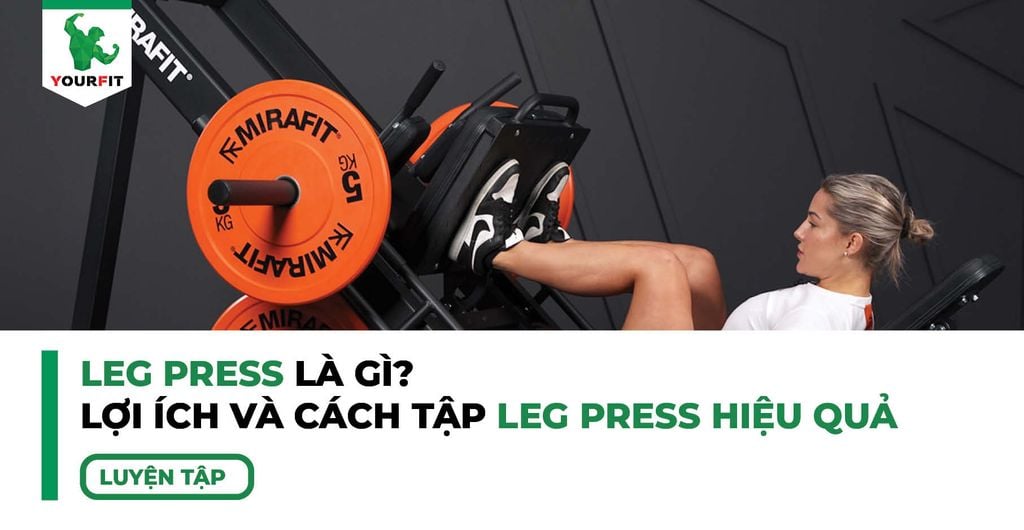
This guide explains the leg press, its benefits, energy expenditure and the setup and technique details that matter.
1. What is a leg press?

The leg press is a machine-based lower-body exercise that primarily trains the quadriceps and glutes, with other leg muscles assisting. The supported position reduces balance demands, but appropriate load and depth are still important for the knees, hips and back.
Two common designs are:
- Horizontal leg press: You sit more upright and press along a horizontal path.
- 45-degree leg press: You sit against an angled backrest and push a sled diagonally upward.
Both can be used to develop lower-body strength alongside other exercises. Foot position changes the joint angles and may change muscular emphasis:
- Standard stance: Feet around shoulder-width apart offer a useful starting position.
- Wide stance: A wider comfortable stance may increase the contribution of the inner thighs.
- Narrow stance: A narrower stance changes knee and hip demands, but does not precisely isolate the outer thigh.
- Higher feet: A higher position can increase the hip-extension demand on the glutes and hamstrings.
- Lower feet: A lower position generally requires more knee movement and emphasizes the quadriceps, provided the heels remain planted.
2. Benefits of the leg press

2.1. Develop lower-body muscle
The supported setup lets you focus on the legs. Consistent technique and gradual progression can improve muscular strength, size and function.
2.2. Reduce balance demands
The machine provides a stable environment, so less effort is spent balancing the whole body. This is useful when the goal is to challenge the leg muscles. Keep balance and coordination exercises elsewhere in your programme, since they remain valuable skills.
2.3. Provide an accessible starting point
Many beginners find the guided movement easier to learn than a free-weight squat. Start light, learn the machine’s controls and progress gradually as your confidence grows.
2.4. Offer adjustable positions and resistance
Most machines allow seat or backrest adjustments and a range of resistance settings. Foot placement can also be modified within a comfortable, stable range.
2.5. Support controlled progression
The backrest and safety stops can make progressive loading easier to manage. Set the stops correctly and learn how to rerack the sled; machine support does not make an excessive load safe.
2.6. Complement squats, deadlifts and daily activity
Leg presses strengthen muscles used in other lower-body movements, making them a useful accessory alongside squats and deadlifts. Stronger legs also help with walking, stairs and carrying tasks.
3. Energy expenditure during leg presses

There is no fixed five-minute calorie total for leg presses. Body size, effort, resistance, repetitions and rest periods all affect the energy used.
- Body size and composition: These influence the work required and overall energy needs.
- Age and individual physiology: Energy expenditure varies between individuals; age alone does not predict an exercise total.
- Muscle mass and sex-related averages: Differences in body composition can affect energy use, but they do not determine an individual’s strength, progress or training potential.
- Session intensity: More load, repetitions or total work can increase demand. Shorter rests make sessions denser, but enough recovery is necessary to maintain technique.
Use the leg press to develop strength and muscle rather than to chase an estimated calorie number.
4. How to perform the leg press

4.1. Prepare the machine
Choose a light, manageable load. Adjust the seat so your head and back rest comfortably against the pads, with a natural lower-back position. Place the feet securely on the platform, starting about shoulder-width apart.
4.2. Step-by-step technique
- Settle into position: Keep the hips against the seat and the heels fully supported on the platform, away from its edges.
- Check the starting depth: A knee angle near 90 degrees is a useful initial reference. If the knees crowd your chest or the hips feel compressed, adjust the seat or reduce the depth.
- Hold the handles: Use the side handles to stabilize the torso, rather than leaning forward.
- Press: Brace your abdomen and exhale as you push the platform away through the whole foot, emphasizing the heels. Keep the motion smooth.
- Finish under control: Extend the legs without snapping the knees into lockout.
- Return: Inhale and bend the knees slowly. Keep the heels planted and stop before the pelvis rolls away from the backrest.
- Repeat: Beginners can work toward 3 sets of 10–12 repetitions. Add load or repetitions gradually once the movement is consistent.
5. Common mistakes and how to improve them

- Hands on the knees: Hold the machine’s handles instead of pushing on your thighs or knees.
- Unsteady breathing: Inhale on the return and exhale through the press.
- Forceful knee lockout: Finish the extension under muscular control rather than snapping the joints straight.
- Hips lifting from the seat: Reduce depth or adjust the seat so the pelvis stays supported.
- An unnecessarily short range: Use as much controlled, comfortable movement as your setup allows rather than moving the sled only a few centimetres.
- Rushing: Control the lowering phase and avoid bouncing at the bottom.
- Unstable foot placement: Keep the whole foot in contact, with knees tracking in line with the toes.
- Losing back support: Maintain a comfortable natural spinal position against the pad.
- Excessive weight: Machine designs and sled weights vary, so choose the load by control rather than a fixed percentage of body weight.
6. Conclusion
The leg press offers a useful way to develop lower-body strength with less balance demand. Adjust the machine, select a comfortable range and progress gradually. YourFit can help you understand how it fits into a broader training routine.