Goblet Squat: Benefits, Technique and Training Plan
Learn how to goblet squat with a dumbbell or kettlebell, build a practical training plan, and correct common mistakes in balance, depth and load selection.
The goblet squat is a practical way to train lower-body strength while learning to control a squat. This guide covers its definition, benefits, energy expenditure, technique, suggested programming and common mistakes.
1. What is a goblet squat?

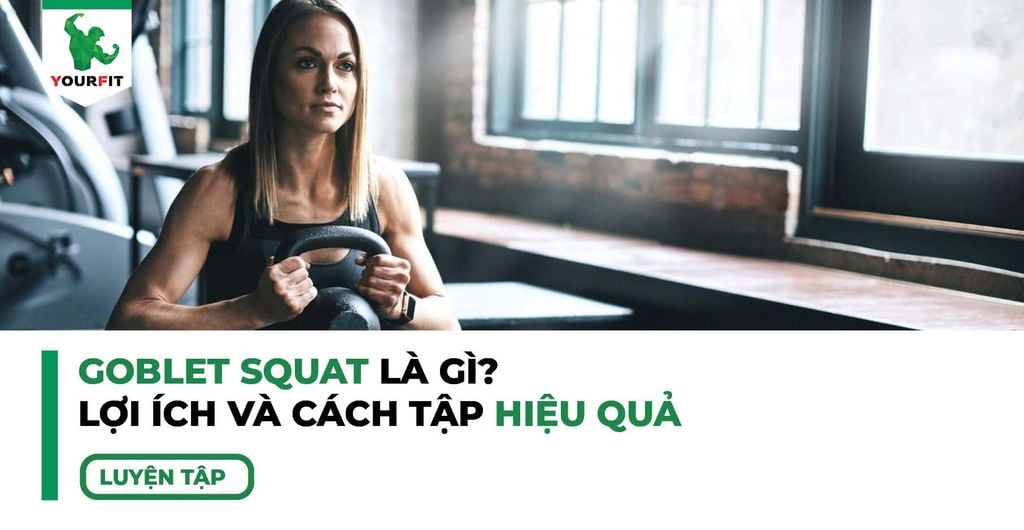
A goblet squat is a squat performed while holding a dumbbell or kettlebell close to the chest with both hands, rather like holding a large cup. You bend at the hips and knees to lower yourself, then stand again.
The movement primarily trains the quadriceps and glutes, while the core and back muscles stabilize the torso. It is popular with beginners and experienced lifters because the front-held weight provides a clear cue to stay balanced and upright.
Goblet squats can bridge the gap between bodyweight squats and heavier barbell variations. The load is held in front rather than on the shoulders, but the exercise still requires appropriate bracing and loading; it is not automatically suitable for every back or shoulder condition.
2. How many calories do goblet squats burn?

Goblet squats involve several muscle groups and contribute to the energy used during a workout. A five-minute calorie total cannot be predicted accurately from the exercise alone. Developing muscle can also contribute to resting energy needs over time, but long-term fat loss depends on the wider pattern of activity and nutrition.
- Weight used: A heavier load increases the challenge of each repetition. It is useful only while you can maintain control.
- Body size: Moving a larger body generally requires more energy, although individual effort and conditioning also matter.
- Tempo: Faster repetitions can increase session intensity, but the squat should remain balanced and controlled.
- Sets and repetitions: More work increases the total training demand. Add volume gradually rather than sacrificing form.
- Rest: Short rests of 20–30 seconds make lighter work denser; heavier sets may need 60 seconds or longer. Choose rest periods that let you perform the next set well.
3. Benefits of the goblet squat

3.1. Develop the legs and glutes
The quadriceps and glutes produce much of the movement, with other lower-body muscles helping control the hips and knees. Progressive training can develop lower-body strength and muscle.
3.2. Practise an upright torso
Holding the weight at the chest encourages you to keep the trunk controlled and chest comfortably lifted. The spinal-support muscles work to maintain a neutral back. This builds postural awareness without promising to correct every posture problem.
3.3. Build everyday strength
Squatting resembles sitting down and standing up. Strength in this pattern supports daily activity and can complement sports such as football and basketball.
3.4. Offer an alternative loading position
The front-held weight avoids placing a bar directly on the upper back. This can be a useful option for people who prefer that setup, provided the load and movement are comfortable.
3.5. Help beginners learn the squat
A light goblet hold can make balance and torso position easier to understand before progressing to other squat variations. Begin with a level you can control.
3.6. Train movement through a comfortable range
The squat challenges coordinated motion at the hips, knees and ankles. Practising an appropriate depth can help improve movement confidence and control.
3.7. Strengthen trunk control
The abdominal muscles and obliques work to keep the load close and the torso stable, supporting the kind of bracing used in lifting everyday objects.
4. Technique and a suggested training plan

4.1. How to perform a goblet squat
You need a dumbbell or kettlebell and clear floor space. Weights of 5–20 kg are examples used in many routines, not a minimum requirement.
- Stand with feet slightly wider than shoulder-width and toes turned out comfortably, around 10–15 degrees as an initial guide.
- Hold the weight close to your chest with both hands and the elbows pointing down.
- Brace your abdomen, keep a neutral back and look forward.
- Inhale as you bend the hips and knees to lower yourself, keeping the weight close and your whole foot planted.
- Descend toward thighs parallel with the floor, or deeper if you can do so comfortably without losing control.
- Exhale as you press through the floor and stand, keeping the knees aligned with your toes and the trunk steady.
4.2. Suggested programming
- Sets: Try 3–4 sets. Three may be enough when learning; an additional set can add volume when you are ready.
- Repetitions: Use 10–15 per set, adjusting the load to your goal and ability. Both the lower and upper parts of this range can develop muscle and strength; higher repetitions also challenge local endurance.
- Frequency: Include the movement 2–3 times per week in lower-body or full-body sessions, allowing recovery between demanding sessions. It can complement deadlifts or lunges.
- Load: A 5–10 kg weight is one possible starting range, with 15–20 kg an option for more experienced lifters. Use less when necessary and progress only once the movement is consistent.
5. Common mistakes and how to correct them

5.1. Losing control of the back position
An unsuitable load, weak bracing or poor setup can cause the trunk to collapse or overarch. This makes the movement less controlled and may cause discomfort. Brace before descending, keep the chest comfortably lifted and reduce the weight if you cannot hold a stable position. A mirror or coach can help you check your technique.
5.2. Losing balance as the knees move forward
Knee travel beyond the toes is not automatically an error; it varies with body proportions and squat depth. The important checks are stable foot contact, knees tracking with the toes and a comfortable range. Bend the hips and knees together rather than shifting all your weight onto the toes. Work on ankle and hip mobility if they limit a controlled squat.
5.3. Using less depth than you can control
A very shallow squat may limit the training range. Build gradually toward parallel or a comfortable deeper position, rather than forcing depth. Practise bodyweight squats or use a suitable bench as a depth reference to develop confidence and balance.
5.4. Letting the weight drift away from the chest
A weight held too far forward increases the demand on the arms and torso and can pull you off balance. Keep the elbows directed down and the weight close. If the arms fatigue before the legs, reduce the weight or repetitions. Additional arm-strength training may also help.
5.5. Choosing too much weight
Rushing to lift heavier can cause poor balance, reduced depth and unstable posture. Begin with a manageable weight and add load only when your repetitions are consistent. Reduce it immediately if you cannot maintain the intended position, and ask a coach for help when needed.
6. Conclusion
The goblet squat offers a useful combination of lower-body strength and movement practice. Use a suitable load, controlled depth and a realistic schedule to make it part of your routine. Share your experience with YourFit as your strength and confidence grow.