Leg Extension: Benefits, Technique and Variations
Train the quadriceps with controlled leg extensions. Learn machine setup, bodyweight and single-leg variations, plus practical loading and safety tips.
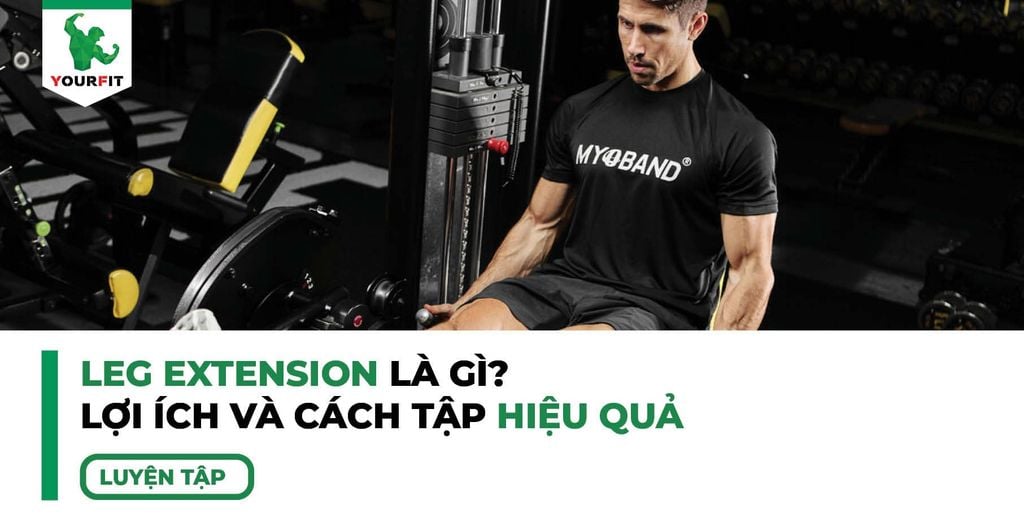
The leg extension provides focused work for the front of the thighs. This guide explains the movement, its benefits, energy expenditure, variations and technique considerations.
1. What is a leg extension?

The leg extension is an isolation exercise for the quadriceps, the muscles responsible for straightening the knee. It is usually performed on a dedicated machine, although seated bodyweight or resistance-band options are possible at home.
You sit against the backrest with the lower legs behind a padded roller, then extend the knees to lift the resistance. The quadriceps include the rectus femoris and the vastus muscles.
Strong quadriceps support walking, running and many lower-body tasks. Leg extensions can provide a light warm-up or focused accessory work near the end of a session. They can also complement compound exercises when the quadriceps need more direct attention.
Because the body is supported, the exercise involves less whole-body coordination than a squat or deadlift. It is a useful option, rather than a mandatory exercise for every programme.
2. Benefits of leg extensions

2.1. Build quadriceps strength
The exercise directly loads the front of the thighs, helping develop knee-extension strength and muscle with progressive training.
2.2. A possible role in knee rehabilitation
Leg extensions are sometimes used in rehabilitation, but the appropriate range and load depend on the injury and recovery stage. They are not automatically low-stress for every knee condition. Follow an individual plan when returning from injury.
2.3. Contribute to energy use and muscle development
Leg extensions use energy and can help maintain or develop muscle. They generally involve less total-body work than compound movements. Body-fat changes depend on overall nutrition and activity, not this exercise alone.
2.4. Add focused work to a balanced leg routine
Direct quadriceps training can complement squats, deadlifts and leg presses. Include exercises for the other lower-body muscles as well.
2.5. Offer an accessible machine exercise
Many beginners find the movement straightforward once the seat, pivot and pad are adjusted correctly. Start with a suitable load and progress only when control is consistent.
2.6. Fit easily into a gym session
Leg extension machines are common in gyms and usually provide adjustable resistance. This makes focused quadriceps work convenient when time is limited.
2.7. Work as a warm-up or accessory exercise
Light repetitions can prepare the quadriceps for a session, while appropriately loaded sets can provide additional work afterward. A warm-up should prepare you rather than exhaust you before demanding lifts.
2.8. Support sport-related strength
The quadriceps contribute to sprinting, jumping, cycling and changing direction. Leg extensions can help build their capacity alongside the more specific movements needed for your sport.
3. How many calories do leg extensions burn?

A fixed calorie total for five minutes of leg extensions would be misleading. Energy use depends on the individual and the session.
- Training demand: Resistance, repetitions and sets determine how much work you perform.
- Body size: Body mass and composition influence energy needs.
- Movement control: A deliberate lowering phase keeps the quadriceps working instead of letting momentum do the job.
- Session structure: Supersets or circuits change the overall work-to-rest ratio.
- Duration: A longer session generally involves more total work, but quality and recovery remain important.
- Muscle mass: Active muscle contributes to energy expenditure.
- Fitness: Training experience and endurance affect the effort you can sustain.
4. Technique and variations

4.1. Machine leg extension
- Adjust the machine: Choose a manageable load. Set the seat so your knees align with the machine’s pivot and your back is supported.
- Position the pad: Place it against the lower shins, just above the ankles. Keep the feet in a comfortable neutral position rather than forcing the toes inward or outward.
- Extend: Hold the handles and keep the torso steady. Exhale as you straighten the knees through a controlled range, without snapping into lockout.
- Lower: Inhale and return slowly, maintaining control of the weight stack.
- Repeat: Aim for 8–12 repetitions per set, increasing resistance gradually when technique and comfort allow.
4.2. Seated bodyweight leg extension
This simpler option uses a stable chair and no added weight. It can help you practise knee extension, although it provides much less resistance than a machine.
- Sit upright with feet on the floor about hip-width apart.
- Straighten the right knee to lift the lower leg forward.
- Lower slowly and repeat.
- Start with 2 sets of 10–12 repetitions, then complete the same work with the left leg.
If knee symptoms are the reason for choosing this version, use a comfortable range and seek individual guidance rather than assuming it is suitable for every condition.
4.3. Standing leg extension
This variation adds a balance and coordination challenge.
- Stand with feet hip-width apart and shoulders relaxed.
- Brace the abdomen and lift the right foot about 1–2 inches from the floor.
- Bend the knee to bring the foot back, then extend the knee to move the lower leg forward.
- Keep the trunk steady and use nearby stable support if needed.
- Try 2 sets of 10–12 repetitions per side.
4.4. Single-leg machine extension
- Adjust the machine so your back is supported, the knee aligns with the pivot and the starting knee angle is around 90 degrees.
- Position the pad just above the ankle and hold the handles.
- On a machine suitable for single-leg work, extend the right knee while the other leg remains relaxed and clear of the moving pad as appropriate.
- Pause briefly at the controlled top position, then lower slowly.
- Complete the intended repetitions before switching legs.
5. Important training considerations

- Avoid maximal-load testing: There is little need to test a one-repetition maximum on this exercise. Use a resistance that lets you control the knee movement and maintain your position.
- Do not rush: Kicking or bouncing uses momentum and makes the load harder to control. Keep the quadriceps engaged through both phases.
- Control the end of the movement: Avoid forcefully snapping the knees straight. Choose the range that feels comfortable and suits any individual rehabilitation advice.
- Distinguish fatigue from pain: Muscle fatigue can occur during a hard set, but joint pain or sharp pain is a reason to stop. Do not use rest-pause repetitions to push through pain. Advanced intensity methods are optional and should be used only when technique, experience and recovery justify them.
- Rest enough: Use a practical rest period that lets you perform the next set with control. Shorter rest is not automatically better for muscle growth.
6. Conclusion
Leg extensions offer direct quadriceps training with several ways to adjust the difficulty. Set up carefully, move with control and choose a load that fits your body and programme. Share your experience with YourFit.