Dumbbell Shoulder Press: Benefits, Form and Variations
Learn the benefits of the dumbbell shoulder press, how to perform it, seven useful variations and the common errors that can affect your technique.
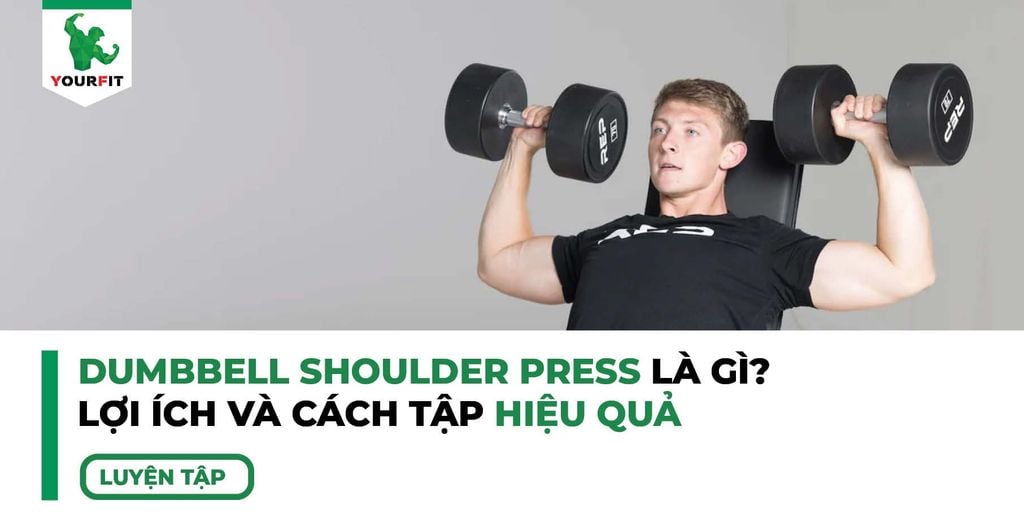
The dumbbell shoulder press is a popular upper-body strength exercise. This guide explains what it trains, its benefits, the factors affecting calorie expenditure, correct technique and common mistakes.
1. What is a dumbbell shoulder press?

In simple terms, it is an overhead press performed with a dumbbell in each hand. It is widely used by beginners and experienced lifters to develop the shoulders and upper-body strength.
The front deltoids and triceps do much of the work, supported by muscles including the upper trapezius, upper chest, rotator cuff and core. Compared with a barbell press, the separate dumbbells allow each arm to work independently and offer more freedom to choose a comfortable movement path.
That independent loading challenges shoulder and trunk stability and can help identify differences between sides. It also develops control and strength relevant to sport and daily activity.
2. Benefits of the dumbbell shoulder press

2.1. Develop the shoulders and upper body
The exercise particularly trains the front shoulders, with other shoulder muscles contributing to movement and stability. The triceps and upper chest also assist. This pressing strength can complement exercises such as bench presses and dips.
2.2. Support balanced development and posture
Because each arm handles its own weight, one side cannot simply take over for the other. With appropriate programming, this can help develop more balanced strength. An upright torso and controlled movement also reinforce postural awareness, although the exercise alone does not correct every posture problem.
2.3. Challenge shoulder stability
The shoulders and rotator cuff help guide and stabilize the dumbbells. Training through a comfortable range can support overhead function, provided the load and movement suit your shoulders.
2.4. Build practical strength
Pressing strength is relevant to tasks such as lifting objects overhead and pushing. It can be useful for athletes and anyone seeking better everyday physical capacity.
2.5. Adapt to different experience levels
You can adjust the load and use seated or standing positions. Start light and progress gradually as strength and technique improve.
3. How many calories does it burn?

There is no fixed calorie total for five minutes of shoulder presses. Actual energy expenditure depends on body size, effort, load, rest and the structure of the session. Use the exercise primarily to build strength and control, rather than to reach a calorie target.
Building muscle can contribute to resting energy expenditure over time, but the effect of one exercise is modest. Long-term fat loss also depends on overall activity and nutrition.
- Load: Heavier weights increase the demand of each repetition, but an uncontrollable load compromises technique. Choose a load you can press steadily.
- Movement speed: Faster repetitions can raise the intensity, but do not sacrifice control to chase calorie expenditure. Both the lifting and lowering phases should remain deliberate.
- Sets and repetitions: More total work generally uses more energy, provided recovery and technique remain adequate.
- Rest periods: Shorter rest keeps the session dense, while longer rest helps restore strength. For example, a short, lighter session might use 20–30 seconds of rest, while heavier work may require 60 seconds or longer. Allow enough recovery to maintain safe technique.
4. Technique and variations

4.1. What you need
Choose a suitable pair of dumbbells and either a stable bench with a backrest for seated pressing or enough clear space for standing work.
4.2. Seated dumbbell shoulder press
- Set up: Sit with your feet firmly on the floor about shoulder-width apart. Hold a dumbbell in each hand at shoulder height with palms facing forward.
- Brace: Keep your spine neutral and abdomen engaged. Begin with the elbows bent approximately 90 degrees, in a comfortable position slightly forward of your torso.
- Press: Breathe steadily and press the dumbbells overhead until the arms are almost straight, without forcefully locking the elbows or overextending the back.
- Lower: Return to shoulder height slowly and under control. Exhaling through the press and inhaling during the return is a practical breathing rhythm.
- Repeat: Aim for 8–12 repetitions per set with a load you can manage.
4.3. Shoulder press variations
- Single-arm dumbbell shoulder press: Press one dumbbell from a seated or standing position while keeping your trunk upright, then switch sides. This gives each shoulder individual attention and challenges the core to resist leaning.
- Seated neutral-grip press: Sit upright with palms facing each other, press overhead and lower slowly. Some people find this hand position more comfortable; shoulder symptoms still require an individual assessment.
- Standing alternating press: Press one arm while the other holds its dumbbell at shoulder height, then alternate. This adds a coordination and trunk-stability challenge.
- Half-kneeling press: Place one knee on the floor and the other foot forward with that knee bent about 90 degrees. Brace your abdomen and press without leaning, training control around the hips and trunk.
- Dumbbell push press: From standing, use a small knee bend and coordinated leg drive to help send the weights overhead, then lower with control. This involves the whole body and is a different skill from a strict press.
- Incline dumbbell shoulder press: Use an inclined bench to shift more work toward the upper chest and front shoulders while supporting the torso. Press up and lower the weights to a comfortable shoulder-level position.
- Arnold press: Begin with palms facing you at shoulder height. Rotate the hands outward as you press and reverse the rotation as you lower. Use a comfortable range and controlled load.
5. Common mistakes and how to correct them

- Overarching the back: This often appears with heavy weights or fatigue. Brace before pressing, keep a neutral spine and use a manageable load. A seated position with a backrest may help you learn control.
- Pressing too far forward or backward: Guide the weights overhead along a comfortable, near-vertical path. Begin with the elbows slightly forward and check your alignment with a mirror or coach.
- Forcefully locking the elbows: Finish under muscular control rather than snapping the joints into end range. Keep a soft finish if that helps you maintain control.
- Dropping the weights: Lower over about 2–3 seconds instead of letting gravity take over. The controlled lowering phase is an important part of the repetition.
- Excessive shrugging or neck tension: Avoid pulling the shoulders toward the ears unnecessarily. Keep the neck relaxed while allowing the shoulder blades to move naturally as the arms travel overhead.
- Using too much weight: Start with a load that lets you maintain the intended path and posture. Add weight only after the movement is consistent.
6. Conclusion
The dumbbell shoulder press can help build stronger shoulders and improve upper-body capacity when performed with control. Use the technique and variation that suit your current ability, then progress gradually. If you already include it in your routine, share your experience with YourFit.