Dumbbell Lateral Raise: Benefits and How to Do It
Build stronger shoulders with the dumbbell lateral raise. Learn five variations, suggested sets and repetitions, and the technique mistakes to watch for.

This guide covers the dumbbell lateral raise: what it is, its benefits, popular variations and practical training advice.
1. What is a dumbbell lateral raise?
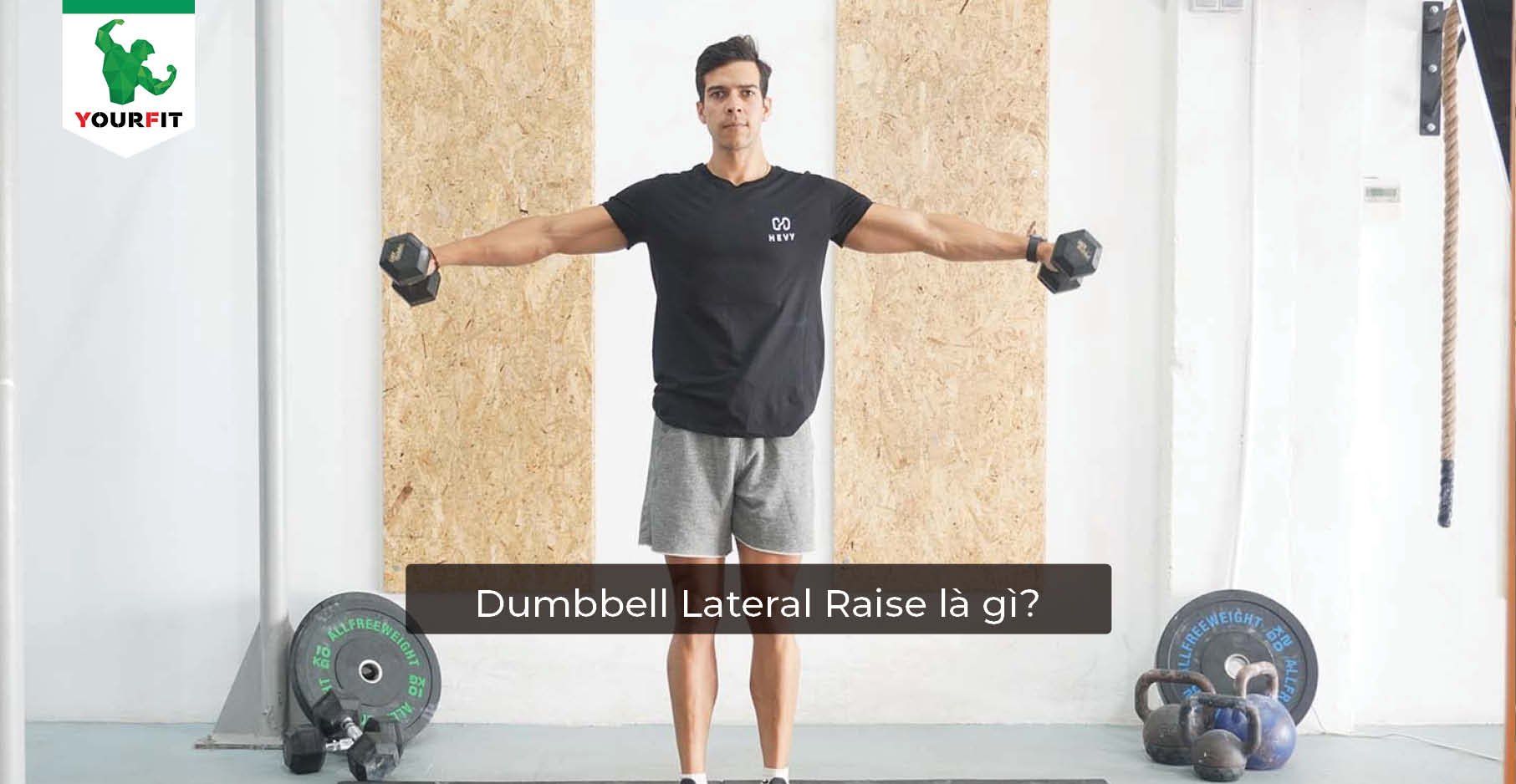
The dumbbell lateral raise is an isolation exercise that mainly targets the middle, or lateral, deltoid. It can help develop shoulder strength and a fuller shoulder shape.
You can raise both arms together or work one arm at a time, adjust the weight and change your body position to vary the challenge. Combine lateral raises with other upper-body exercises for balanced strength and muscle development.
The muscles around the shoulder contribute to joint stability. Stronger deltoids can support lifting and other daily tasks, though no single exercise can prevent every shoulder injury.
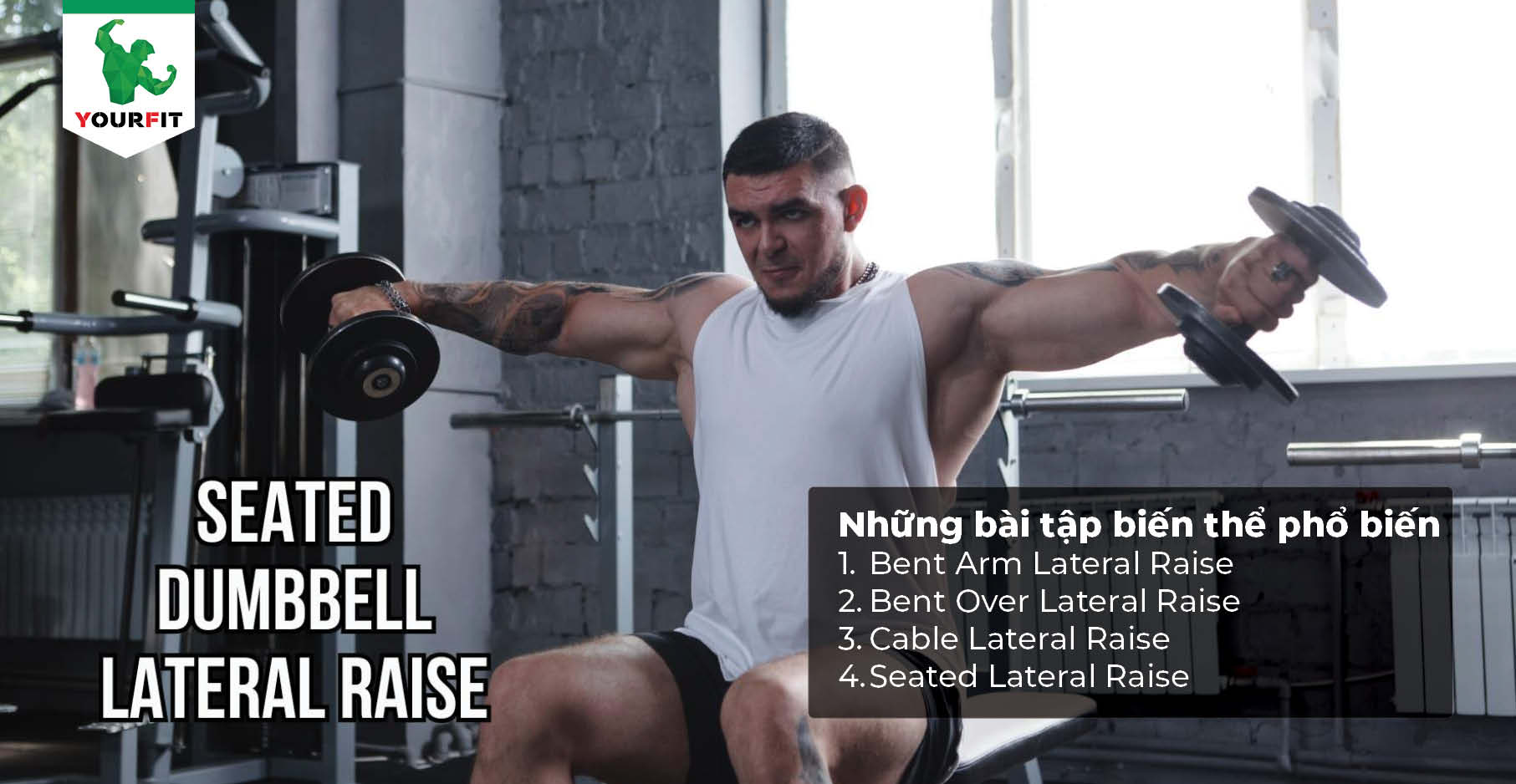
Popular variations include bent-arm lateral raises, bent-over lateral raises, cable lateral raises and seated lateral raises.
2. Benefits of dumbbell lateral raises
2.1. Improve shoulder strength
The lateral deltoids contribute to both shoulder appearance and function. Training them alongside the rest of the shoulder can help address muscular imbalances and support a joint that combines considerable mobility with a need for muscular control.
2.2. Develop the shoulder muscles
The main benefit is targeted work for the muscles on the sides of the shoulders. Regular, progressive training can increase their strength, size and definition, giving the shoulders a fuller appearance.
2.3. Support controlled mobility
Shoulder movement depends on muscles and joints working together. Controlled lateral raises can be part of a programme that develops this coordination for reaching, lifting and sports such as swimming or basketball. They support shoulder function but do not guarantee protection against dislocation.

2.4. Encourage balanced development
Balanced shoulder training contributes to the proportions of the upper body. Combine lateral raises with a varied training programme and adequate nutrition, including protein, to support muscular development and recovery.
3. How to perform popular lateral raise variations
3.1. Basic dumbbell lateral raise
- Set up: Choose two manageable dumbbells. Stand with feet shoulder-width apart, knees slightly bent and a small forward lean.
- Raise: Lift your arms out to the sides until they are approximately parallel to the floor. Keep the torso still and a soft bend in the elbows.
- Lower: Lower slowly to the starting position. Keep the movement controlled and pause for 1–2 seconds rather than dropping the weights or completely relaxing.
- Repeat: Perform 3–4 sets of 8–12 repetitions according to your ability. Pause for 2–3 seconds when needed and keep an even rhythm.
3.2. Bent-arm lateral raise
- Set up: Hold two appropriate dumbbells with feet shoulder-width apart. Bend the elbows to about 90 degrees, palms facing inward.
- Raise: Lift the upper arms out to the sides until they are parallel to the floor, keeping the elbow angle unchanged and your torso still.
- Lower: Return slowly and pause for 1–2 seconds with the muscles still engaged.
- Repeat: Aim for 3–4 sets of 8–12 repetitions. A 2–3-second pause can help you reset without rushing.
3.3. Bent-over lateral raise
- Set up: Hold two manageable dumbbells, bend your knees slightly and hinge at the hips until the torso is close to parallel with the floor. Keep a neutral back and look down.
- Raise: With a slight elbow bend, raise the arms out to the sides toward shoulder level. Keep the torso stable. This variation places more emphasis on the rear shoulders.
- Lower: Lower slowly, pause for 1–2 seconds and maintain control rather than swinging.
- Repeat: Perform 3–4 sets of 8–12 repetitions as appropriate, resetting for 2–3 seconds when needed.
3.4. Cable lateral raise
- Set up: Attach a handle to a low cable pulley. Stand side-on to the machine, take the handle in the working hand and keep a slight bend in the elbow.
- Raise: Lift the working arm out to the side until it is approximately parallel to the floor at shoulder height. Keep the trunk still.
- Lower: Return the handle slowly and pause for 1–2 seconds, keeping control of the cable tension.
- Repeat: Perform 3–4 sets of 8–12 repetitions, allowing a 2–3-second reset when needed. Complete both sides.
3.5. Seated lateral raise
- Set up: Sit on a stable bench with an upright back. If using a backrest, keep your back supported. Hold a dumbbell in each hand with palms facing inward.
- Raise: Lift both arms sideways with slightly bent elbows, stopping around shoulder level rather than raising the weights above your shoulders. Keep the trunk still.
- Lower: Lower under control and pause for 1–2 seconds without completely releasing tension.
- Repeat: Aim for 3–4 sets of 8–12 repetitions according to your ability. Use a steady pace and a 2–3-second reset when needed.
4. Important technique tips
Lateral raises are straightforward to learn, but both beginners and experienced lifters benefit from careful setup and control.
- Avoid excessive weight: A load you cannot control can distort technique and place unnecessary stress on the shoulders. Begin light and increase gradually as your control improves.
- Brace your core: Keep the trunk stable rather than swaying or tipping forward and placing additional demand on the lower back.
- Maintain a soft elbow bend: Keep the elbows slightly bent and generally a little higher than the wrists. Do not lock the arms rigidly or jerk the weights upward.
- Focus on the intended muscles: The basic lateral raise targets the side deltoids. Pay attention to their work rather than moving the weight at any cost.
- Warm up and slow down: Allow 5–10 minutes to warm up, then use controlled repetitions. Rushing makes it harder to maintain the position and load the shoulders effectively.
5. Conclusion
Understanding the technique and variations makes it easier to choose a lateral raise that fits your training needs. Use manageable weights, consistent control and a balanced programme to develop shoulder strength and improve overall fitness.