Chin-Ups: Benefits, Technique and Training Progressions
Learn chin-up technique, muscles worked, grip variations and common mistakes, with practical ways to build pulling strength and control.

Chin-ups are a challenging bodyweight pulling exercise for the back and arms. YourFit explains their benefits, technique, variations, energy demands and common mistakes so you can approach them with more control.
1. What is a chin-up?
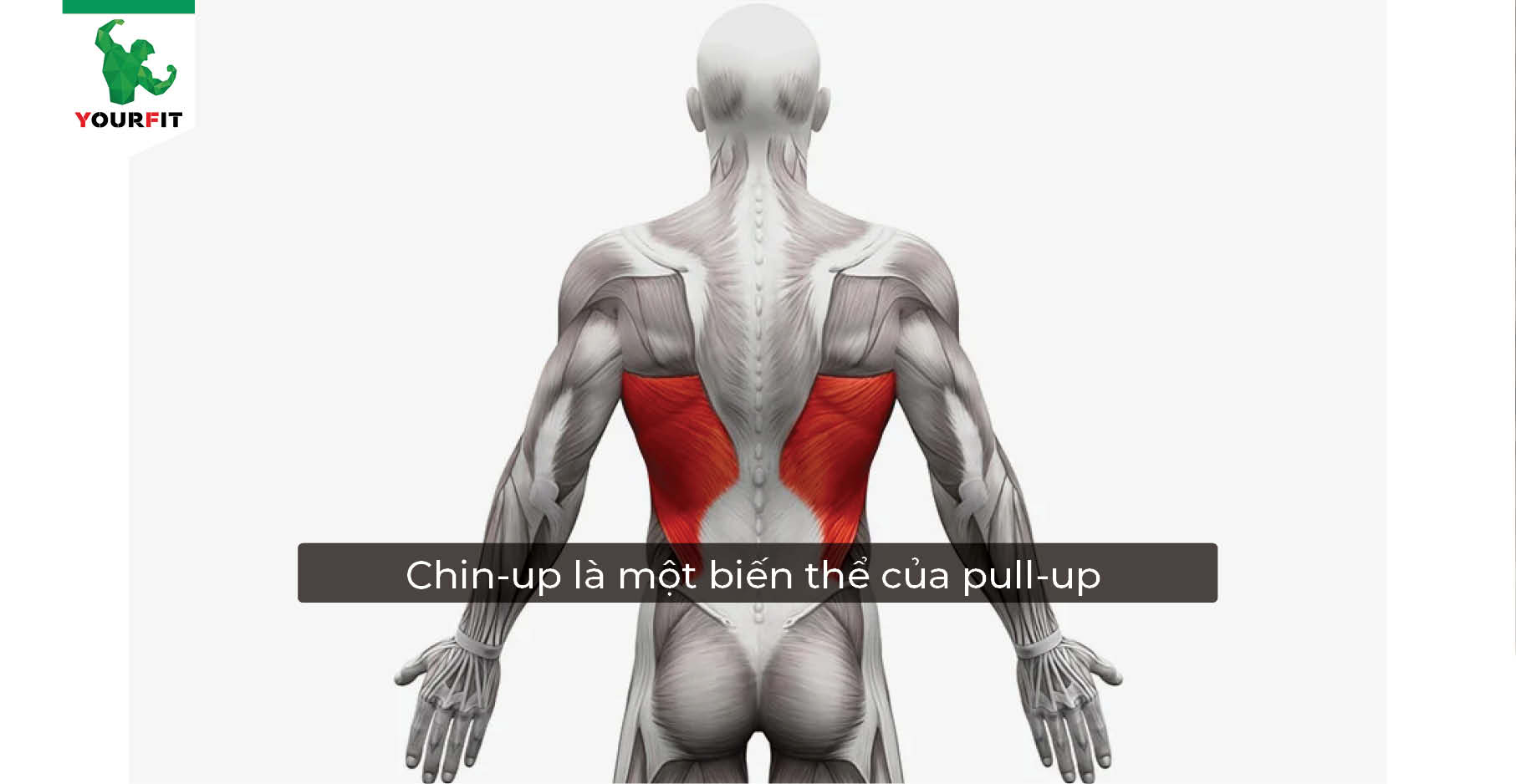
A chin-up is a vertical pulling exercise performed with an underhand grip, with the palms facing you. It trains the latissimus dorsi—the broad muscles of the back—and also involves the biceps, upper-back muscles, forearms and core.
These muscles work together to pull your body toward the bar and control the descent. The underhand position lets the biceps contribute strongly, which some beginners find more accessible than an overhand pull-up.
Chin-ups can develop pulling strength, grip and body control that complement rows, deadlifts and sports involving pulling movements.
2. Benefits of chin-ups

2.1 Upper-body strength
As a compound movement, the chin-up involves several joints and muscle groups at once. The lats and elbow flexors help lift the body while the shoulder girdle and trunk stabilize it.
Regular practice with suitable loading can develop back and arm strength, muscular endurance and coordination. It is one useful option within a balanced upper-body program.
2.2 Grip strength
Holding the bar under your body weight challenges the hands, fingers and forearms. A stronger, more enduring grip can support exercises such as deadlifts, rows and farmer's carries.
Consistent practice helps you maintain a secure hold and control the load, both in training and in everyday tasks.
2.3 Functional pulling ability
Learning to lift and lower your own body develops coordinated strength and awareness of how your shoulders and trunk move together. This can contribute to overall physical capability and complement other movement patterns.
2.4 Minimal equipment
A securely installed bar may be available in a gym, at home or in an outdoor exercise area. The simple equipment requirement makes chin-ups practical when you do not have access to many machines, provided the bar is rated for the load and safely mounted.
3. How many calories do five minutes of chin-ups burn?

Energy expenditure varies with body mass, assistance or added load, effort, repetitions and rest. A brief set followed by recovery cannot be treated as five uninterrupted minutes of exercise, so a precise calorie claim is not useful for planning this movement.
- Body weight: chin-ups require you to move your own mass; greater mass can increase the demand per repetition while also limiting how many repetitions you complete.
- Training intensity: added load, assistance and the number of quality repetitions change the workload.
- Strength and body composition: these influence how much work you can sustain and how quickly you fatigue.
- Rest periods: short rests of around 30–60 seconds make a session denser, while 90 seconds to 3 minutes may allow better recovery for strong, controlled repetitions. Choose rest for the training goal, not simply to keep the heart rate high.
Recovery also uses energy, but chin-ups are best judged by strength and movement quality rather than promises about an “afterburn.”
4. Chin-up variations and technique

4.1 Grip and loading options
- Standard underhand chin-up: use a comfortable, roughly shoulder-width grip. The back and biceps work together.
- Wider grip: changing hand spacing alters the movement and comfort at the shoulders. Use only a width you can control without pain.
- Neutral-grip handles: purpose-built handles with palms facing each other provide another pulling option. Only use attachments designed and secured for bodyweight loading.
- Behind-the-neck pulling: this places the shoulders and neck in a demanding position. A controlled pull in front of the bar is the more practical choice for most general training.
4.2 Step-by-step chin-up technique
- Grip a secure bar with palms facing you and hands approximately shoulder-width apart.
- Brace the abdomen and create enough tension through the body to limit swinging.
- Pull upward under control, keeping the legs quiet and the neck neutral. Work toward bringing the chin above the bar without craning the head.
- Pause briefly near the top while maintaining control.
- Lower slowly to a comfortable, controlled arm extension. Avoid dropping abruptly into the shoulders.
If you cannot yet complete this with your body weight, choose appropriate assistance and focus on the same movement quality.
5. Common chin-up mistakes
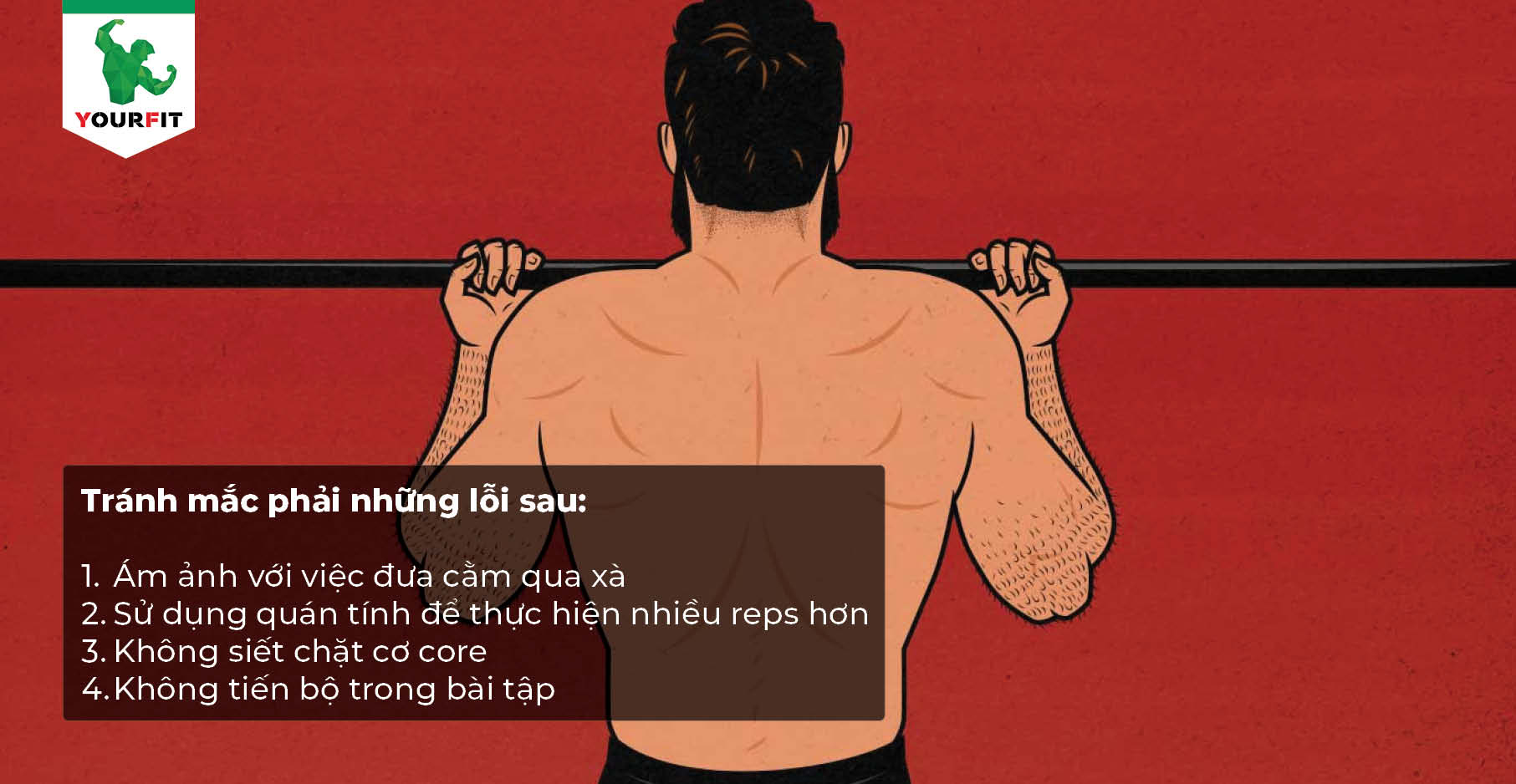
Chasing chin height at the expense of form
Do not jut the head forward or shrug awkwardly simply to clear the bar. Work through the range you can control and progressively build toward a complete repetition.
Using momentum to add repetitions
Swinging can turn a strict strength exercise into a different movement. Pull with intent, lower steadily and pause long enough at the bottom to regain control.
Letting the body swing
Keep the abdomen, glutes and legs engaged enough to hold a stable position. Excessive movement wastes effort and makes it harder to direct the work through the back and arms.
Failing to progress thoughtfully
If you remain at five or six repetitions for a long period, review technique, training volume, recovery and assistance. Experienced trainees may progress to small amounts of added weight, but the load should match their current ability. Progress is individual, and an increase in repetitions is not guaranteed within a fixed number of weeks.
6. Conclusion
Chin-ups train pulling strength, grip and body control with little equipment. Keep the repetitions controlled and choose a progression you can repeat well. Pair vertical pulling with a horizontal movement such as the dumbbell row for a varied back-training routine.