Bulgarian Split Squat: Benefits, Technique and Common Mistakes
Learn Bulgarian split squat technique, muscles worked, useful variations and common mistakes so you can build controlled single-leg strength.
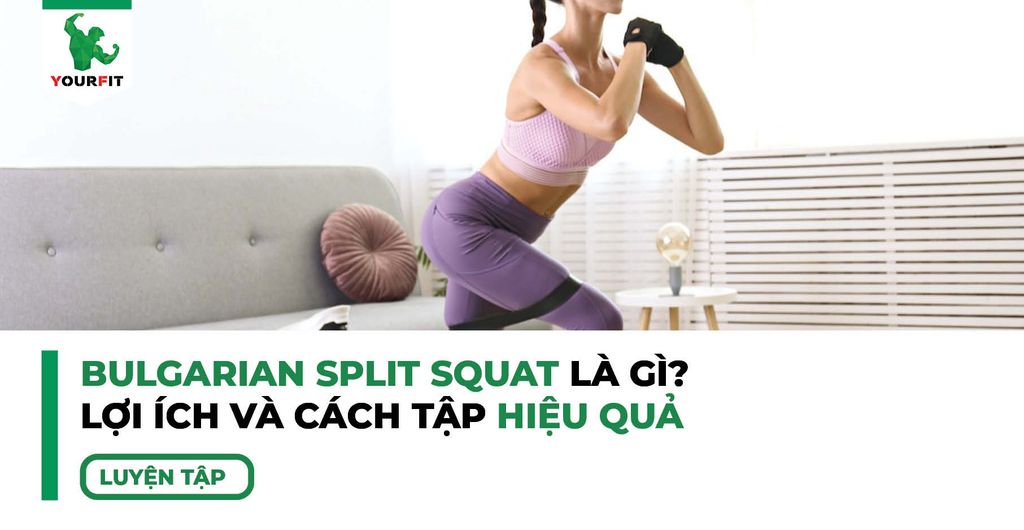
The Bulgarian split squat is a versatile lower-body exercise that challenges strength, balance and control. This guide explains what it is, its main benefits, how to perform it and what to watch for as you progress.
1. What is a Bulgarian split squat?
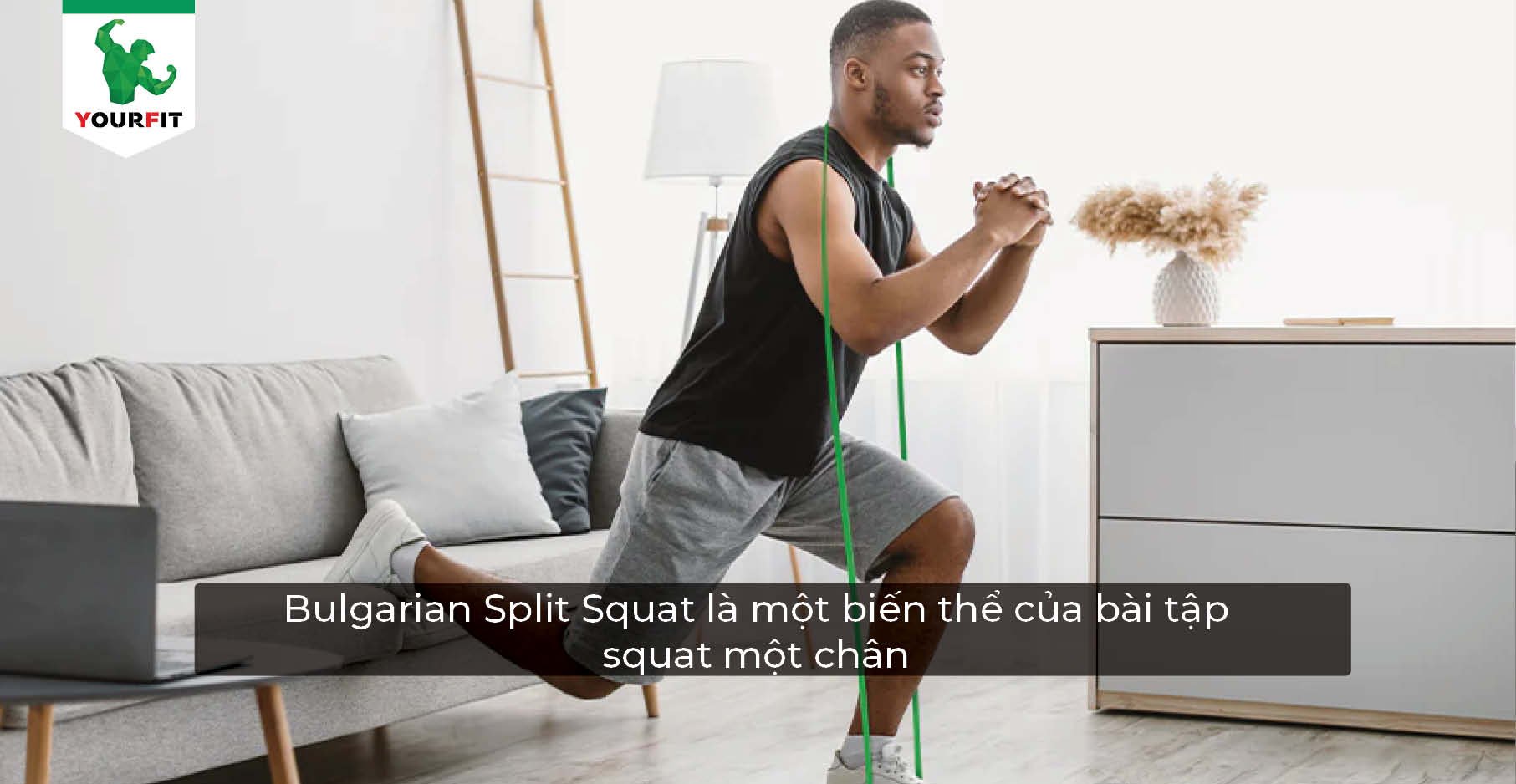
A Bulgarian split squat, also called a rear-foot-elevated split squat, is a squat variation performed with the rear foot supported on a bench, box or purpose-built pad. The front leg does most of the work as you lower and raise your body.
You may feel a stretch through the front of the rear thigh while the front leg's muscles work. The exercise primarily trains the quadriceps and glutes, with the hamstrings, calves and trunk helping control the position.
Variations to suit different goals
- Bodyweight: a useful starting point for learning balance and movement control.
- Dumbbells: increase resistance while allowing you to hold the weights at your sides.
- Barbell: a more demanding loading option once you can maintain a stable position.
- Goblet hold: hold a dumbbell or kettlebell at the chest to challenge trunk control.
- Jump variation: an advanced option for explosive training, requiring good landing control and appropriate coaching.
2. Benefits of Bulgarian split squats
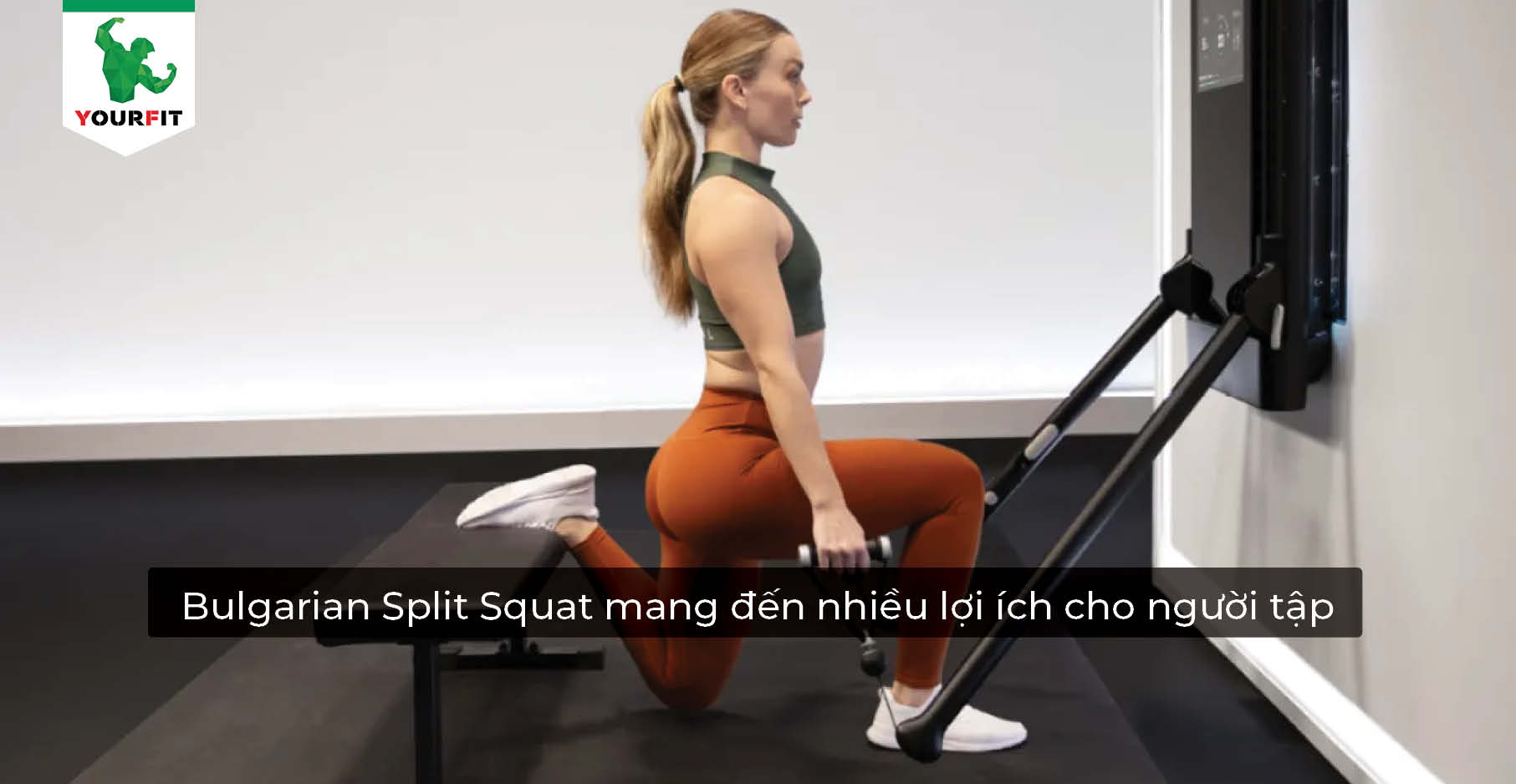
2.1 Balance and stability
Working in a split stance requires control through the foot, hip and trunk. Practicing this can improve your ability to remain stable during exercise and daily movement.
2.2 Training each side individually
Many people notice a strength or coordination difference between legs. Training one side at a time makes those differences easier to identify and address within a balanced program.
2.3 Lower-body strength
The quadriceps and glutes work to lower and raise the body, while other leg muscles assist. Consistent training with suitable progression can develop strength and muscular endurance.
2.4 Convenience and variety
A stable rear-foot support and bodyweight are enough to begin. Adding dumbbells, a kettlebell or a barbell allows the exercise to remain challenging as you gain experience.
2.5 Glute development
Controlled hip movement through a suitable range of motion makes the exercise useful for glute training. The result depends on your technique, training volume, recovery and progression.
2.6 Hip mobility
The split position asks the hips to work through different positions. Using a comfortable range can help you practice mobility and control, particularly if much of your day is spent sitting.
This can complement other lower-body exercises, including squats and deadlifts, and sports that require strength and coordinated movement.
2.7 Strength that carries over to movement
Single-leg control is useful in walking, running, jumping and changing direction. Bulgarian split squats can support a broader program for sports such as football and basketball, alongside skills practice and other conditioning.
3. How many calories do five minutes of Bulgarian split squats burn?
There is no reliable fixed number for five minutes of this exercise. Body mass, load, repetitions, pace and rest periods all change the energy demand. Five minutes of continuous work differs substantially from five minutes that includes setup and rest.

- Body weight: moving a larger total mass generally requires more energy.
- Effort and training volume: more work can raise energy expenditure, but speed should never replace control.
- External load: dumbbells or a barbell increase the strength demand and can change the amount of work completed.
- Age and body composition: these may influence individual energy needs, but they do not establish an exact exercise calorie total.
- Training experience: technique, efficiency and how many quality repetitions you can perform also matter.
Use strength, control and progression as your main measures of success rather than chasing a calorie estimate.
4. How to perform the Bulgarian split squat
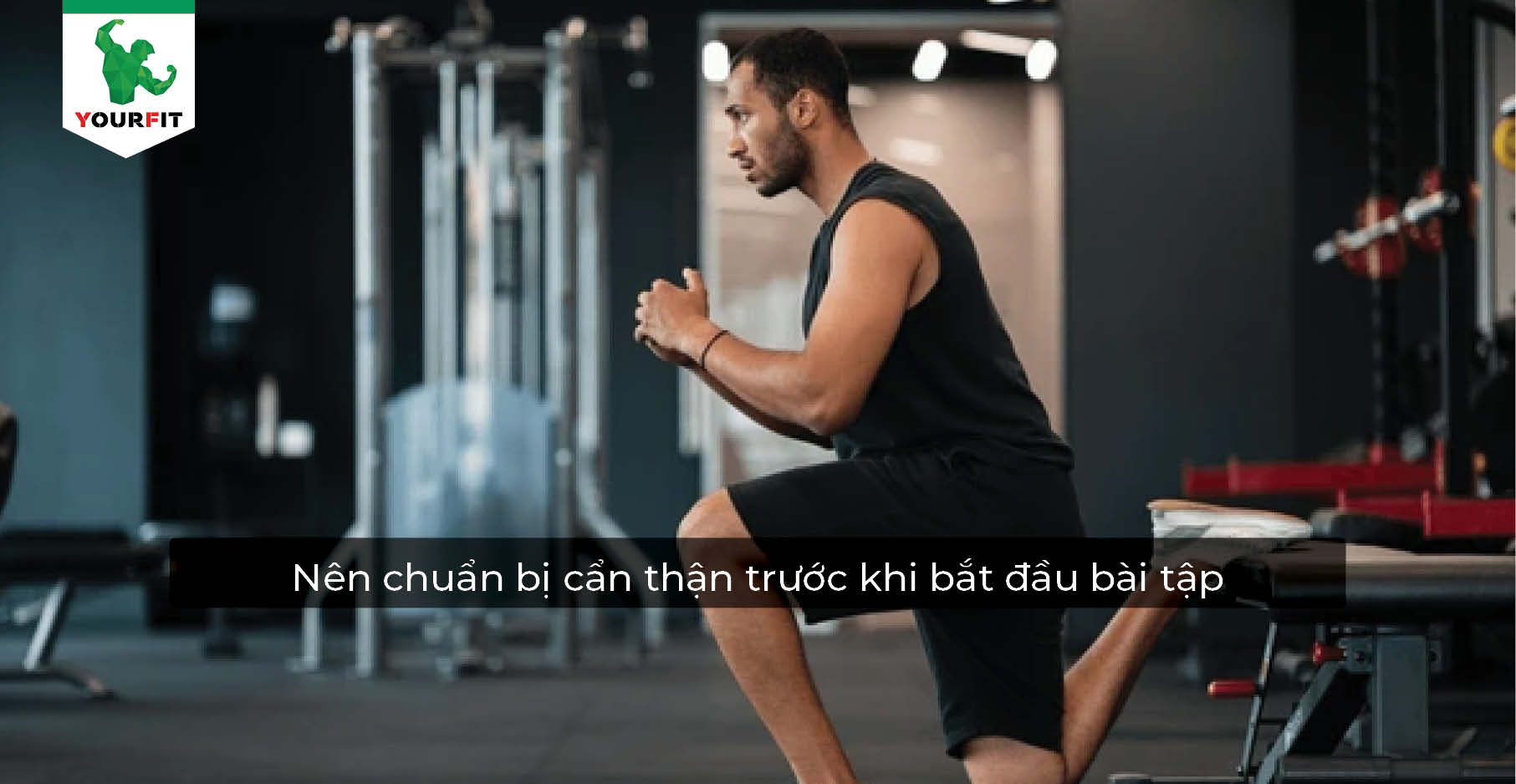
4.1 Set up carefully
Use a stable bench or box at a manageable height—approximately knee height or lower may work, depending on your mobility and proportions. Wear stable footwear and choose a non-slip surface. Dumbbells or a kettlebell are optional.
Stand in front of the support with your back to it, then rest the top of one foot on it. Take a few practice repetitions to find a comfortable front-foot position. At the bottom, the rear knee should move downward without forcing the hip or lower back. You can mark the front-foot position once you find a good stance.
Look at a fixed point ahead if it helps your balance. Keep a little side-to-side distance between the feet rather than standing on a tightrope.
4.2 Step-by-step technique
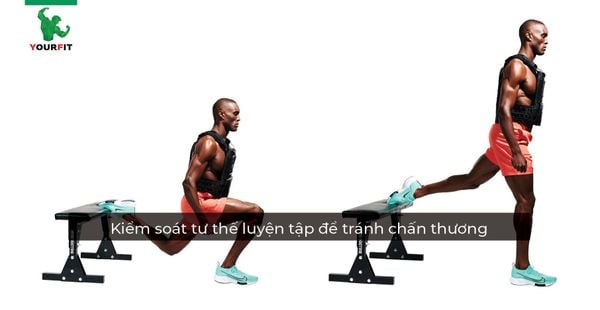
- Stand far enough in front of the bench to lower comfortably. The distance depends on your height and the support.
- Place the rear foot on the bench, using either the top of the foot or the toes as feels comfortable and stable.
- Keep the front foot firmly planted, maintain a natural spine position and gently brace the abdomen.
- Inhale and bend the front knee and hip to lower under control. Let the knee track in the same direction as the toes; it may travel forward naturally.
- Lower only as far as you can control comfortably, potentially until the front thigh approaches parallel and the rear knee is near the floor.
- Pause for 1–2 seconds if you can maintain the position, then exhale and press through the front foot to stand.
- As a starting example, perform 10–12 repetitions per side for 3–4 sets, adjusting the volume to your ability.
5. Common mistakes to avoid
Lifting the front heel
If the heel rises, reassess your stance, depth and weight distribution. Keep the whole front foot connected to the floor rather than tipping onto the toes.
Folding too far forward
A small forward torso lean can be appropriate, but avoid collapsing the chest toward the floor. Maintain a neutral spine and control the movement downward and upward.
Pushing mainly with the rear leg
The rear foot assists balance. Keep most of the effort in the front leg and align the load over a stable front foot.
Losing control of the front knee
A knee that suddenly collapses inward or moves unpredictably outward is a reason to reduce the load or range. Focus on steady tracking rather than forcing a position you cannot control.
Using an excessively narrow stance
Place the feet with some width between them. A slightly wider base usually makes balance easier than positioning one directly behind the other.
6. Conclusion
Bulgarian split squats can develop lower-body strength and control with minimal equipment. Learn the position, use a comfortable range and add resistance gradually. For help building them into your routine, explore YourFit training programs.